A pretty extraordinary thing happened last week. A candidate for Governor in Virginia said he supports the BDS movement.


A pretty extraordinary thing happened last week. A candidate for Governor in Virginia said he supports the BDS movement.
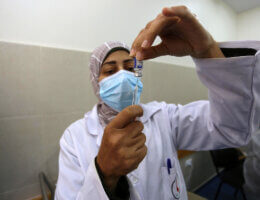
The latest: 247,641 Palestinians tested positive for COVID-19; 221,221 recoveries; and 2,629 deathsOf those who…

We cover attempts to censor pro-Palestine sentiment every week, but there’s something unprecedented about two recent cases.

Cases of COVID-19 continue to rise in the West Bank and Gaza as Palestinians experience a third wave, overwhelming hospitals and filling ICU’s to their maximum capacity.

The Trump administration violated the Iran Deal, and Joe Biden repeatedly said he wanted to rejoin it if he ended up becoming president. But now that Biden is president, things aren’t so clear.

Over the last week the West Bank continues to experience a “significant surge” in a third COVID-19 wave, according to the World Health Organization with some areas doubling the number of active cases in the last seven days.

Dropping bombs on the Middle East is a rite of passage for modern Presidents and last week Joe Biden officially joined the club.

For over a month the COVID positivity rate has precipitously dropped in Gaza. Once the second highest positivity rate in the world, this week the WHO reported it is down to 6%. Gaza received its second batch of Russian vaccines on Monday, as local lockdowns come to a close.

Losing Power You may have noticed that this newsletter didn’t appear in your inbox last…

Palestinians wait for travel permits to enter into Egypt through the Rafah border crossing, in…