A new University of Maryland Critical Issues Poll gives us further insight into what Americans think about the Boycott, Divestment, and Sanctions movement. One obvious conclusion is the high-profile BDS battles of 2019 have raised awareness for the movement, and that awareness has come with increased support.
In 2016, the Arizona Legislature passed HB 2617. The legislation (which was signed into law by Governor Doug Ducey) prohibited the state from investing or contracting with groups that boycott Israel. The law also established a blacklist of businesses that support the BDS movement. The legislation prompted a challenge from Mikkel Jordahl, the owner of a law firm that contracts with Coconino County Jail District to provide legal services for prisoners. He’s a supporter of BDS and the law required him to certify that his firm would not engage in the boycott.
Last month, two civil rights complaints were filed against Columbia University in the wake of the Trump administration’s recent executive order on campus antisemitism. The Lawfare Project launched one complaint on behalf of an Israeli-American student who claims he was a victim of “systematic discrimination” from professors and pro-Palestine groups such as Students for Justice for Palestine and Columbia University Apartheid Divest.
The assault on BDS in the US and the rise of Democratic Party organizations to support Israel are evidence of the progress on the Palestine issue in the U.S. in the last decade. At last the matter is politicized. Some Democratic pols openly support Palestinian rights. This is where the struggle really needs to be, in Washington; and we can thank Benjamin Netanyahu and Bari Weiss for the damage they’ve done to their own cause.
Majed Abusalama writes that Palestinians are tired of demanding their obvious human rights, but there is now an opportunity to compel the international community to humanize Palestine and to treat Palestinians with full rights — the BDS movement.
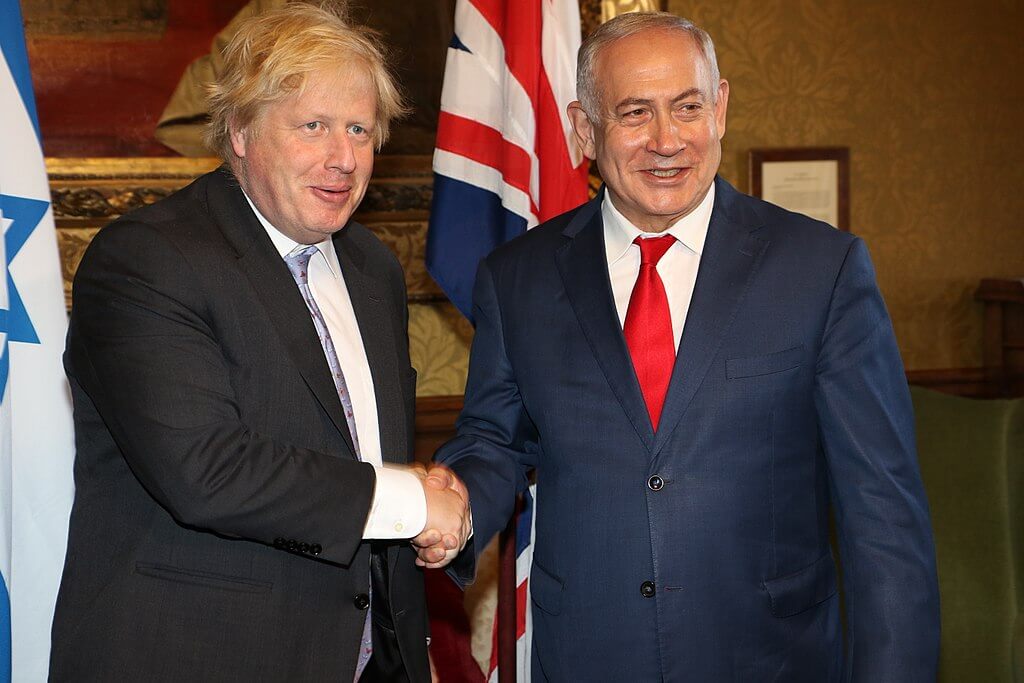
The Boycott, Divestment and Sanctions (BDS) movement hit back at UK Prime Minister Boris Johnson’s plans to ban public authorities from participating in the international movement boycotting Israeli goods, and likened the move to Margaret Thatcher’s decision to ban local British councils from boycotts and divestment against apartheid South Africa.
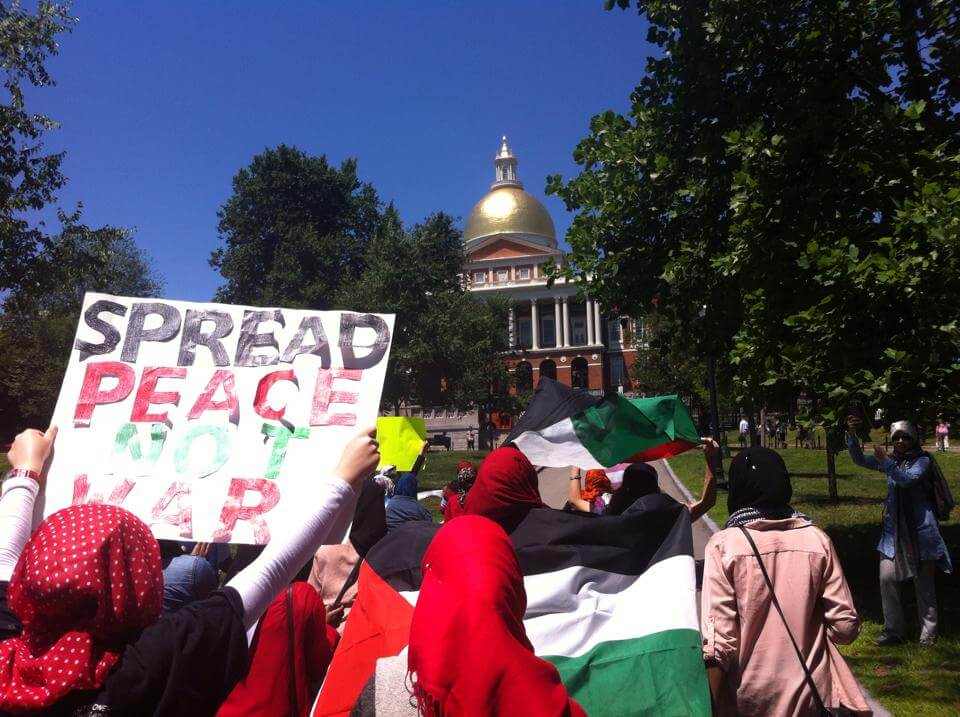
Although a new bill in the Massachusetts State House didn’t mention the BDS movement, its sponsors left no doubts about its intentions. “This is a proud moment where the legislature can stand together in support of Israel” said State Representatives Steve Howitt after introducing it, “This bill clarifies to businesses that either support BDS or who boycott Israeli-owned businesses and products that the Commonwealth of Massachusetts will not engage in commerce with them. I look forward to its quick passage.”
If you think Zionism is out of step with 21st century norms, then Trump’s declaration of war on anti-Zionism and BDS is the battle you have been waiting for.
On December 11, President Trump signed an executive order that effectively weaponizes antisemitism as a cudgel to beat back BDS activities on college campuses. The order threatens to withhold federal funding from universities if the government determines that they’ve failed to prohibit discrimination. Trump’s move was barely announced before a member of congress attempted to use the new playbook. Rep. Denver Riggleman (R-VA) has sent a letter to Secretary of Education Betsy DeVos asking for Georgetown University to be investigated over its alleged anti-Israel bias.
Freedom Is the Future is a joint project recently launched by US Campaign for Palestinian Rights and Adalah Justice Project to establish Palestine’s place in the broader progressive movement by promoting a rights-based framework. “This came about in part because there was a recognition that there was an absence of a framework and reference points within progressive organizing here in the United States that was Palestinian-authored and Palestinian-centered,” Yousef Munayyer explains.