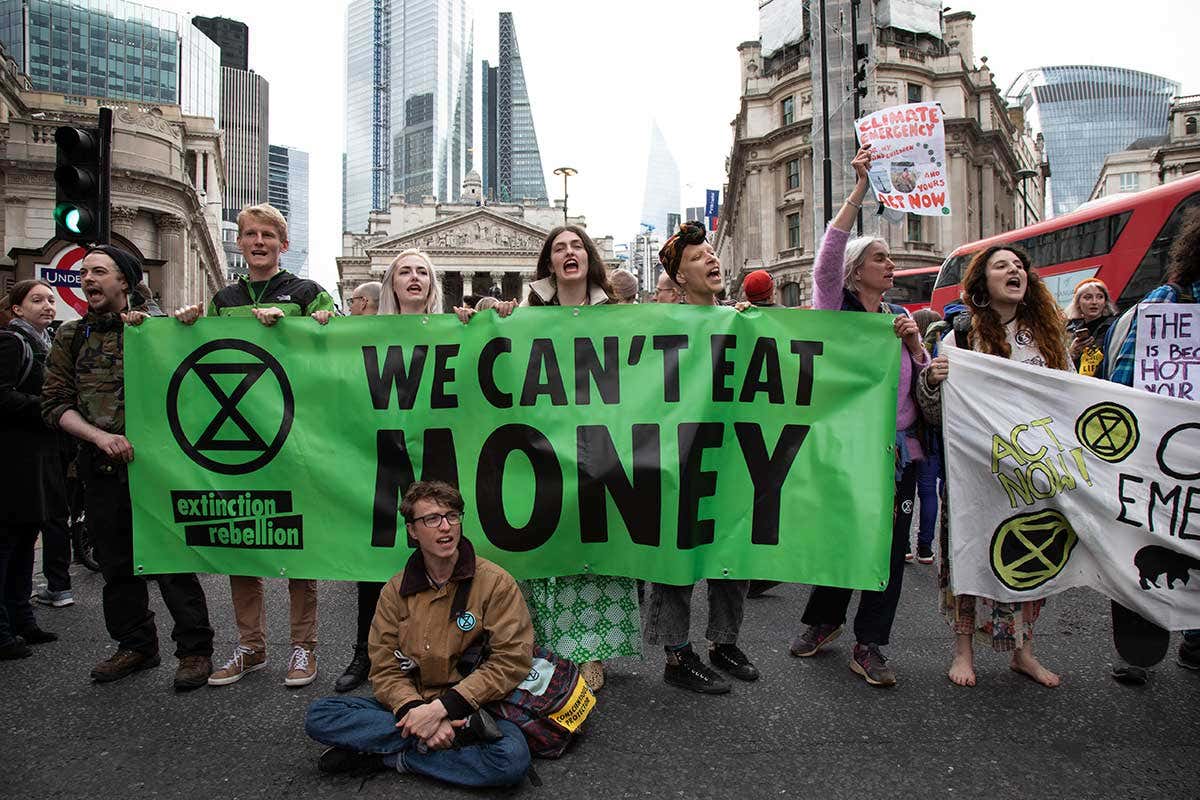
The rise of populism in both its rightwing and leftwing manifestations, and the more general political polarization in our societies, are the symptoms of a breakdown in trust, a collapse of consensus, a rupture of the social contract. Jonathan Cook says today we desperately need the populism of Extinction Rebellion, of Greta Thunberg and the school strikes, of politicians prepared to stand by a Green New Deal and declare real climate emergencies.
A recent UN global assessment confirms that the planet is currently experiencing 2,500 conflicts over fossil fuels, water, food and land — conflicts which are therefore directly related to the ongoing collapse of the earth’s biodiversity. Yet, political leaders are preoccupied with the surface symptoms of this fundamental crisis of civilization, rather than the crisis itself.
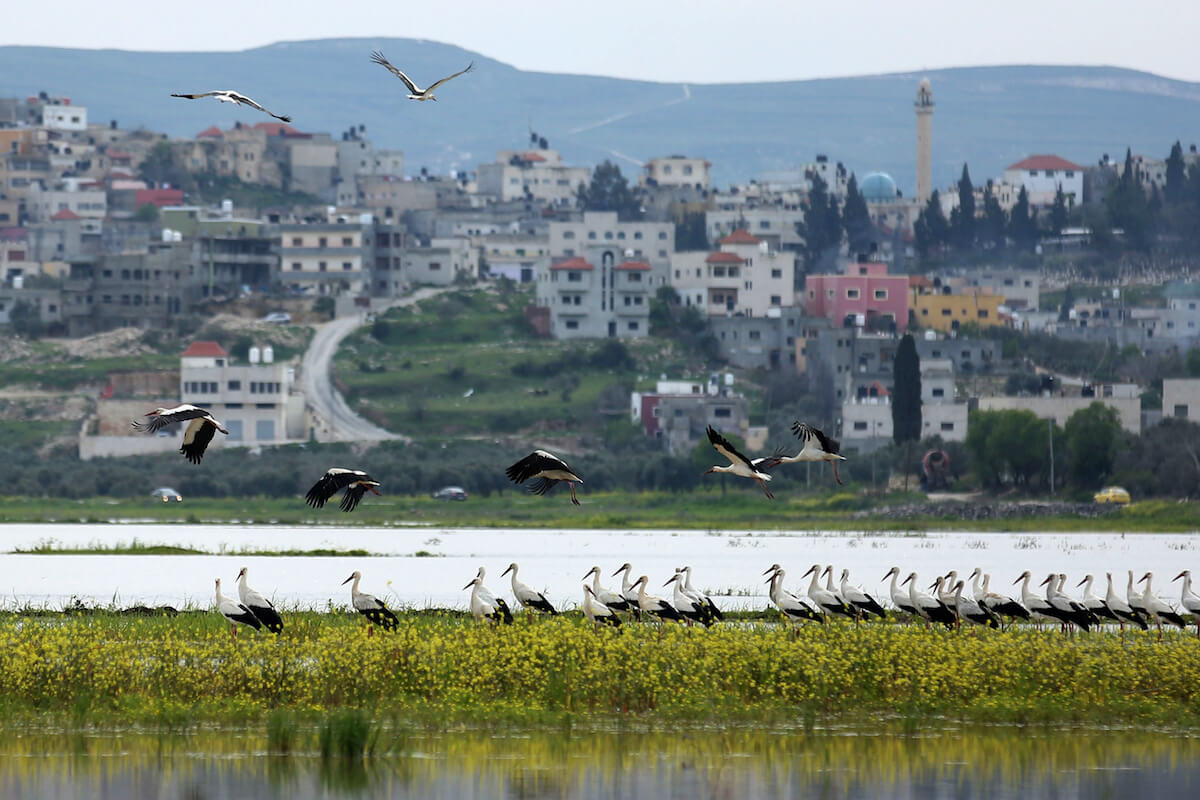
We are witnessing the loss of biodiversity at rates never before seen in human history. According to the world’s largest assessment of biodiversity nearly a million species face extinction if humans do not fundamentally change our relationship with the natural world. Dr. Michelle Lim says the world’s legal, institutional, and economic systems must be reformed entirely in order to halt the continued loss of nature, and that listening to Indigenous communities is an essential first step.
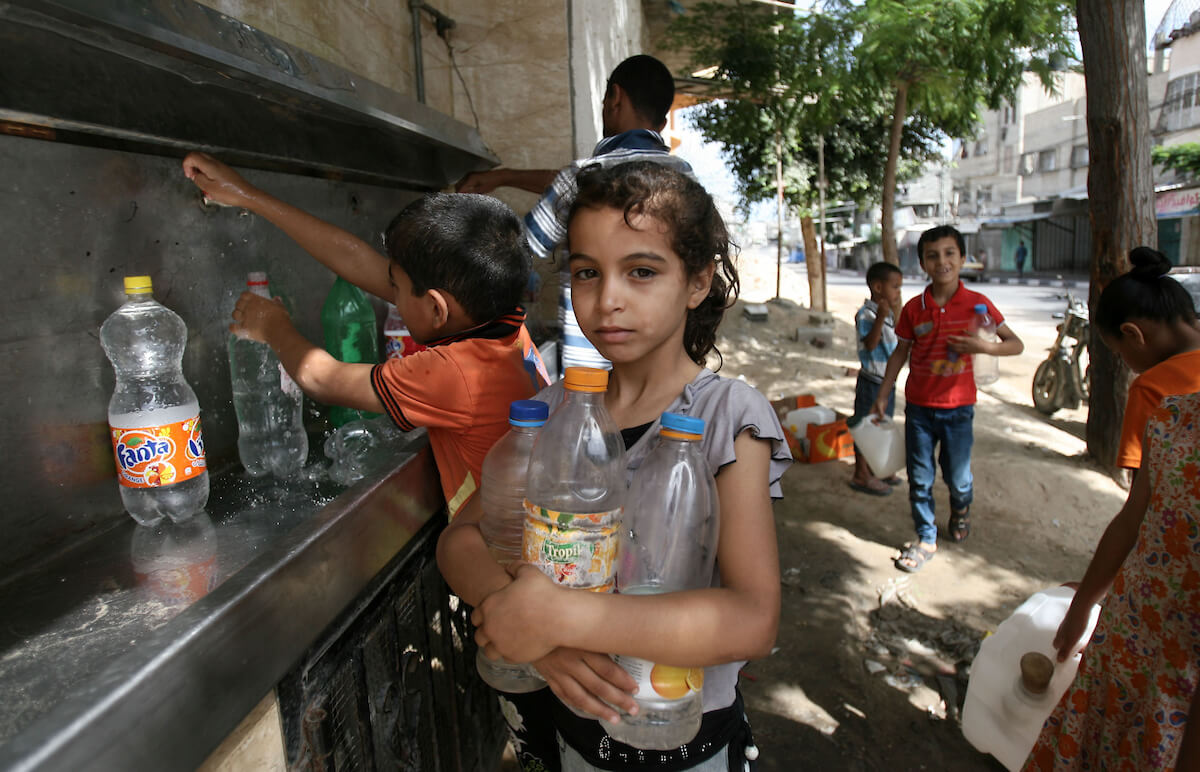
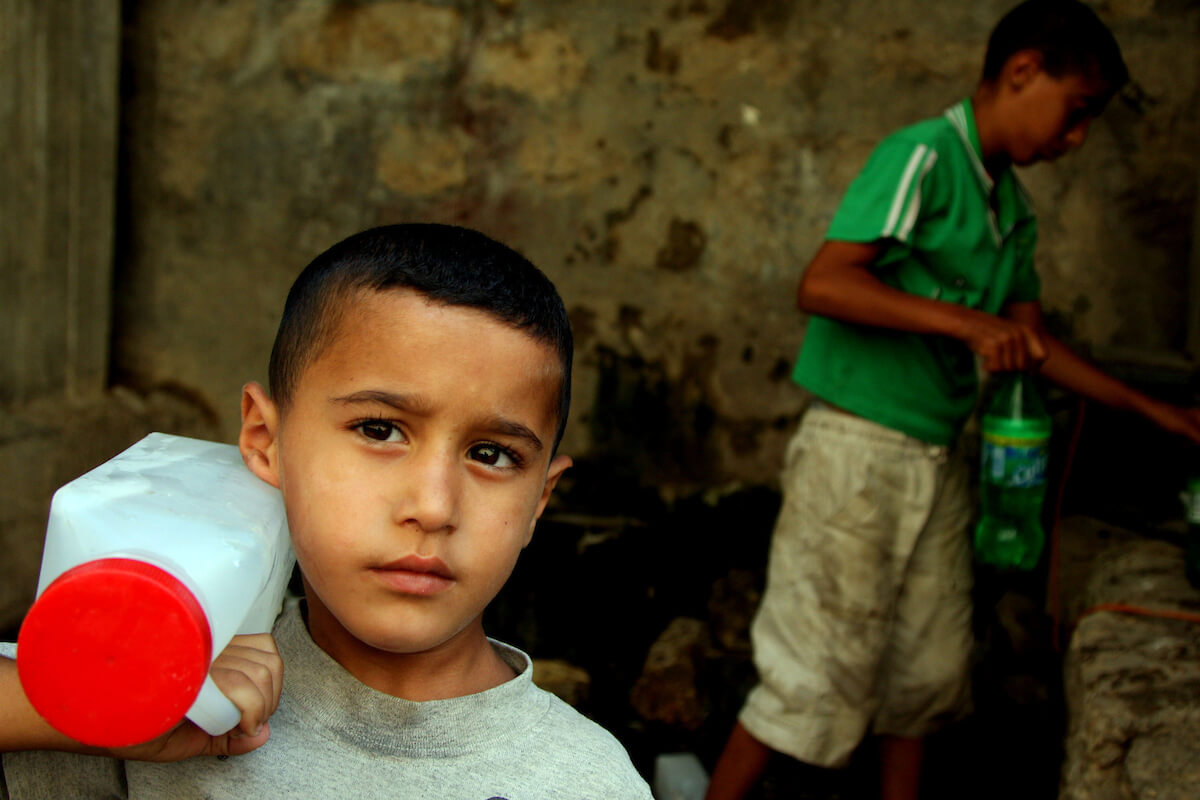
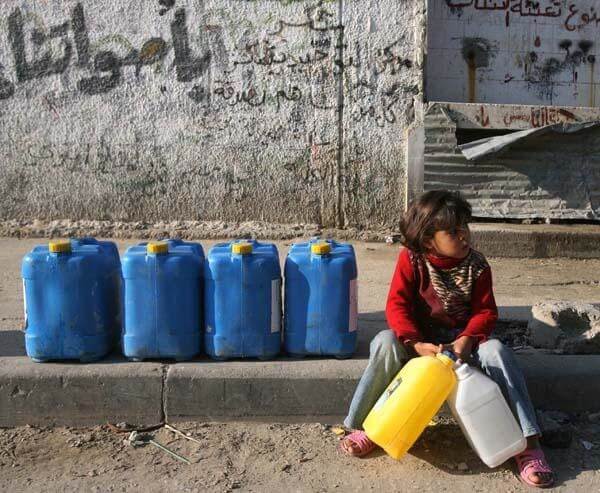
A biosphere refers to the interaction of all living things with the natural resources that sustain them. Mark Zeitoun and Ghassan Abu Sitta write that Gaza has become a “biosphere of war”, where “sanctions, blockades and a permanent state of war affects everything that humans might require in order to thrive, as water becomes contaminated, air is polluted, soil loses its fertility and livestock succumb to diseases. People in Gaza who may have evaded bombs or sniper fire have no escape from the biosphere.”
In her recent paper “Climate Change, the Occupation, and a Vulnerable Palestine,” Zena Agha outlines the threat that climate change presents to Palestine, how it is exacerbated by the Israeli occupation, and the steps being taken, or not being taken, to prepare for it. Adam Horowitz talks with Agha about what climate change means for the future of Palestine and the Middle East, and how it should fit into the Palestine solidarity movement agenda.
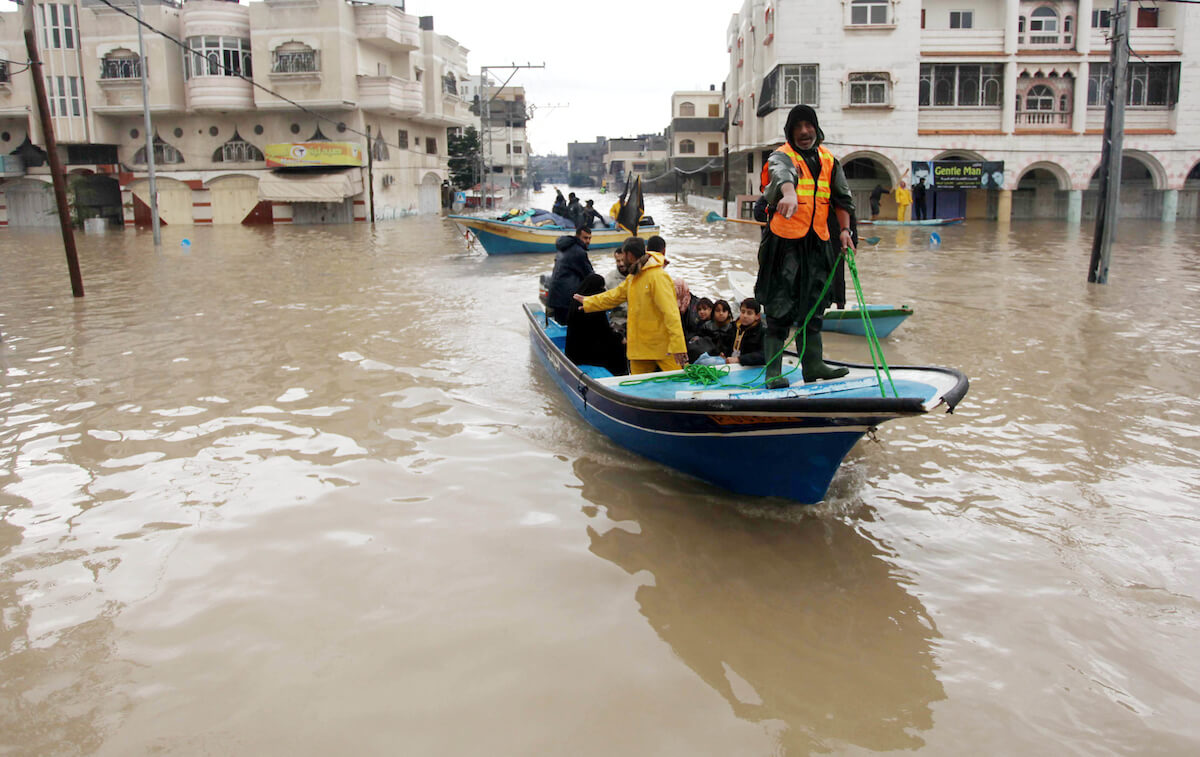
Climate change is among the greatest threats currently facing human life. Its effects are global, wide-ranging, and unequally distributed. Despite Palestinians and Israelis inhabiting the same physical terrain, Palestinians under occupation will suffer the effects of climate change more severely.
The urgency of the global climate crisis makes it imperative for any social justice movement to come to grips with, and confront it in some way. Nowhere is the impact to the environment more connected to injustice and oppression than in Palestine.
A ban by Israel on herding black goats – on the pretext they cause environmental damage – is to be repealed after nearly seven decades of enforcement that has decimated the pastoral traditions of Palestinian communities. The Israeli government appears to have finally conceded that, in an age of climate change, the threat of forest fires to Israeli communities is rapidly growing in the goats’ absence. Jonathan Cooks writes that the story of the lowly black goat, which has been almost eliminated from Israel, is not simply one of unintended consequences. It serves as a parable for the delusions and self-destructiveness of a Zionism bent on erasing Palestinians and creating a slice of Europe in the Middle East.
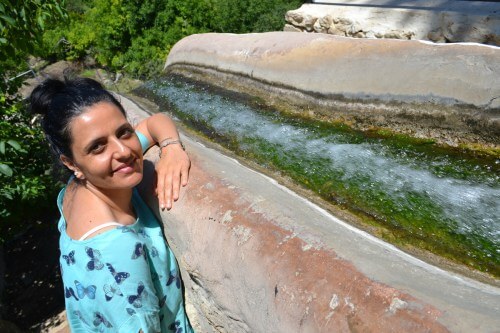
Israel has been itching to run its Separation Wall across the occupied valley of Battir for years, a move that would surely destroy that valley. But Battir has UNESCO status because of its agricultural traditions, including terraced irrigation and heirloom apricot and cucumber, and this has put Israel’s plans on hold for the time being.