Tag

Climate Crisis in Palestine

Browsing
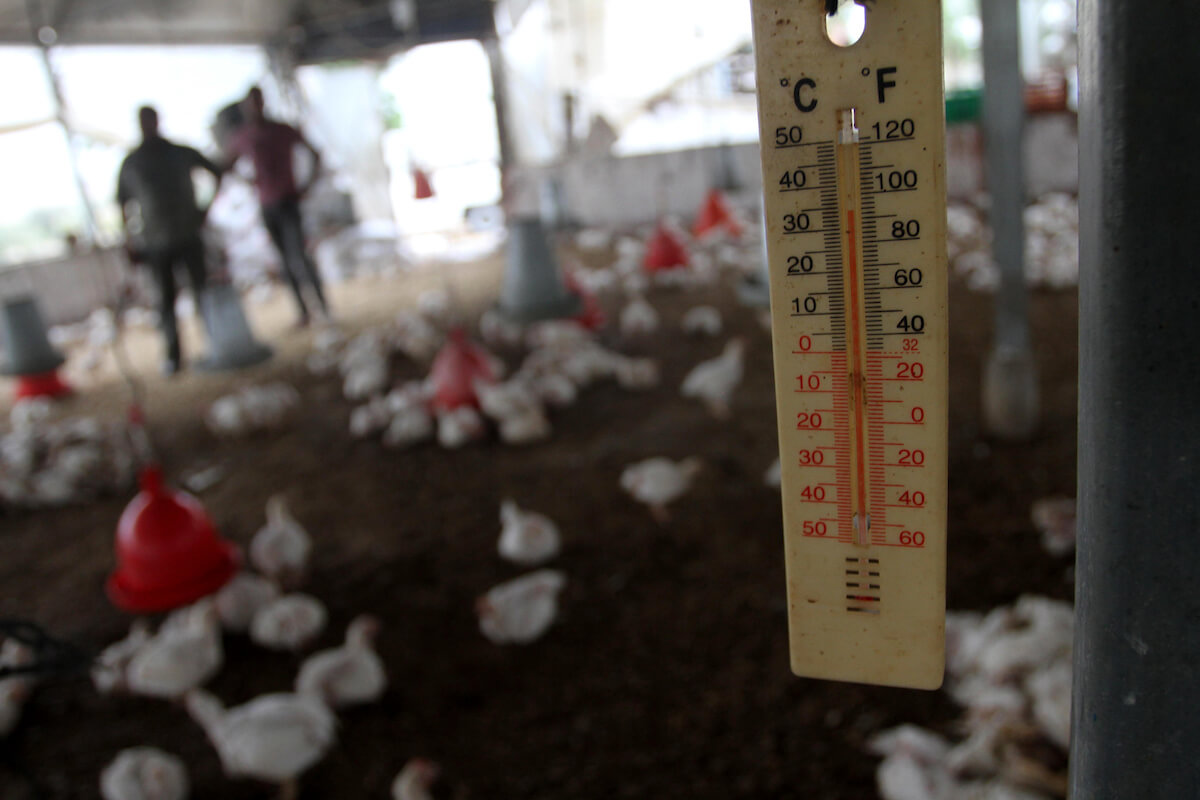
A Palestinian poultry farmer inspects dead chickens at his farm in the central Gaza Strip, June 04, 2014. Gaza's agricultural sector suffered devastating losses during a heat wave that hit Gaza Strip.

In the world’s only settler-colonial apartheid state, forcible transfer and climate adaptation denial are the name of the game. In a region where climate futures promise to be especially dystopic the ensuing crisis will either accentuate inequity and conflict, or prompt solutions for once and for all for everyone’s benefit.
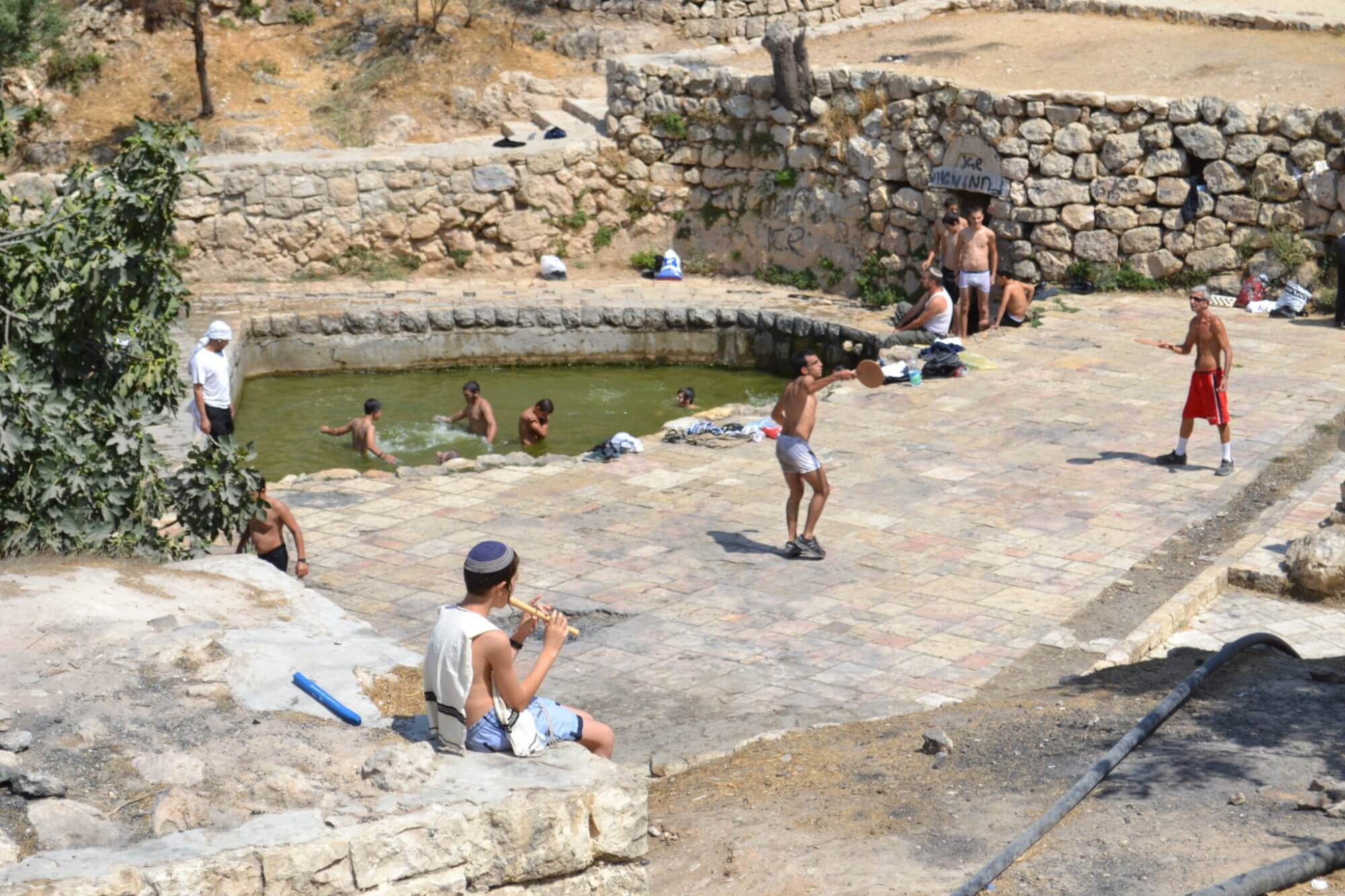
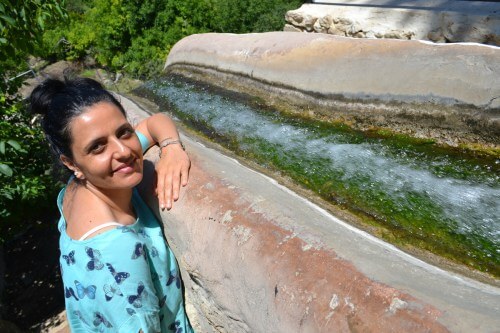
On the edge of downtown Jerusalem, among the ruins of the Palestinian village Lifta, Israeli Jews enjoy natural spring waters that once were central to the life of the village

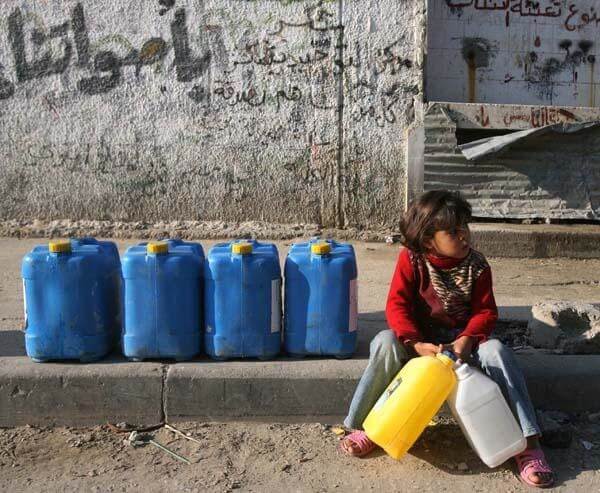
Climate change is a human rights issue. Nowhere is this clearer than in the Occupied Palestinian Territories (OPT), where land and natural resources required for climate adaptation are controlled by Israel, and systematically denied to Palestinians. Of all these resources, none are more vital than water.

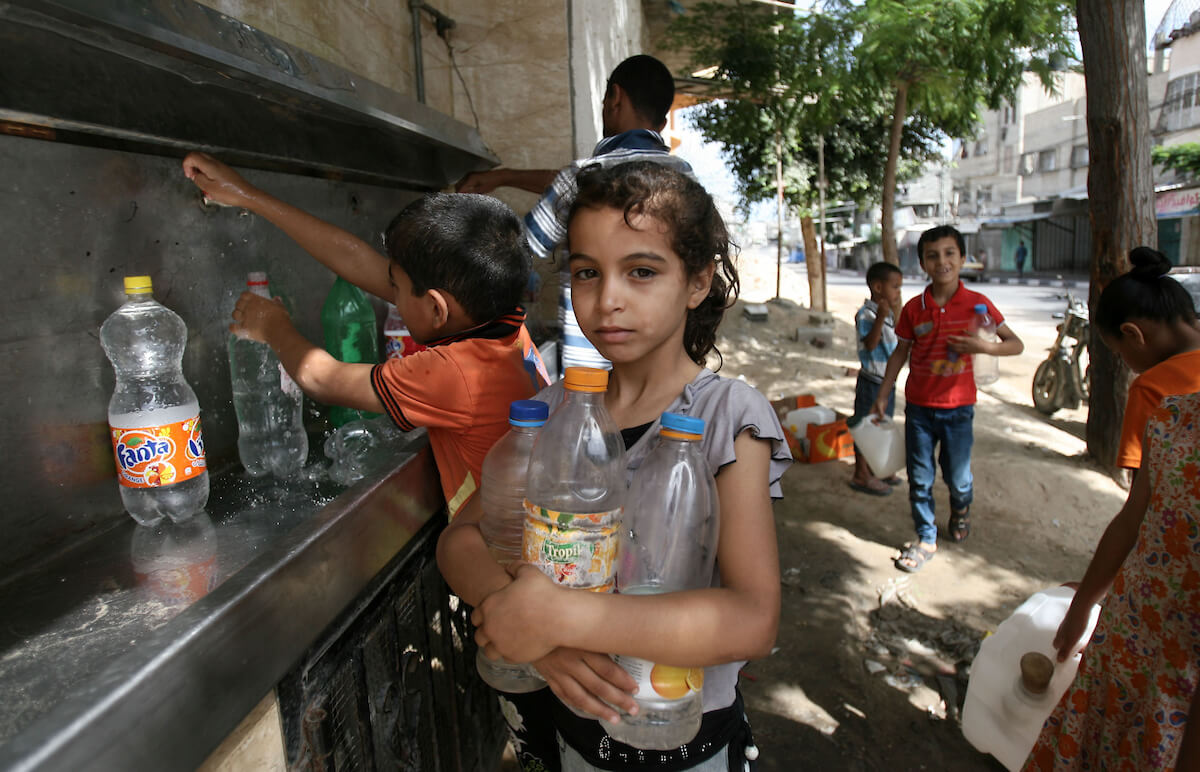
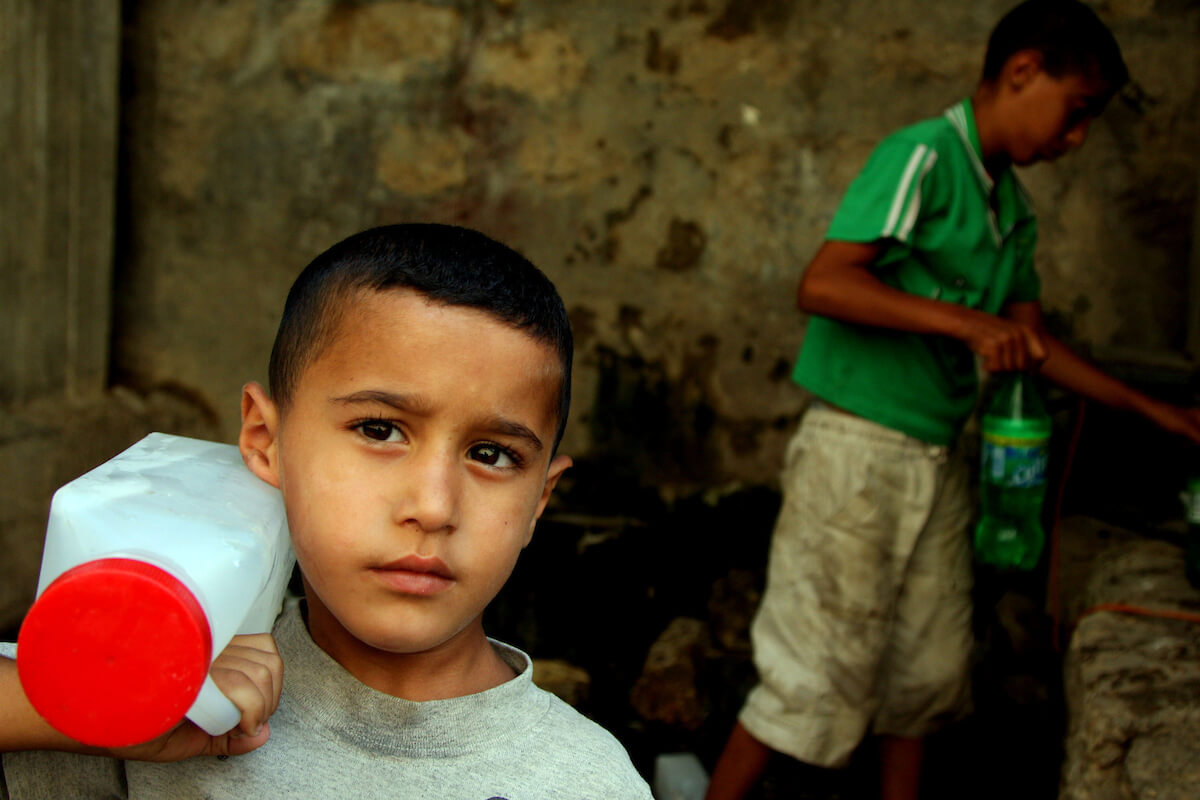
Palestinian children fill bottles with water from a public tap in Rafah in the southern Gaza Strip, July 1, 2014. Israel had bombed the main water line for al-Shati refugee camp and a sewage plant west of Gaza City. (Photo: Eyad Al Baba/APA Images)

A biosphere refers to the interaction of all living things with the natural resources that sustain them. Mark Zeitoun and Ghassan Abu Sitta write that Gaza has become a “biosphere of war”, where “sanctions, blockades and a permanent state of war affects everything that humans might require in order to thrive, as water becomes contaminated, air is polluted, soil loses its fertility and livestock succumb to diseases. People in Gaza who may have evaded bombs or sniper fire have no escape from the biosphere.”

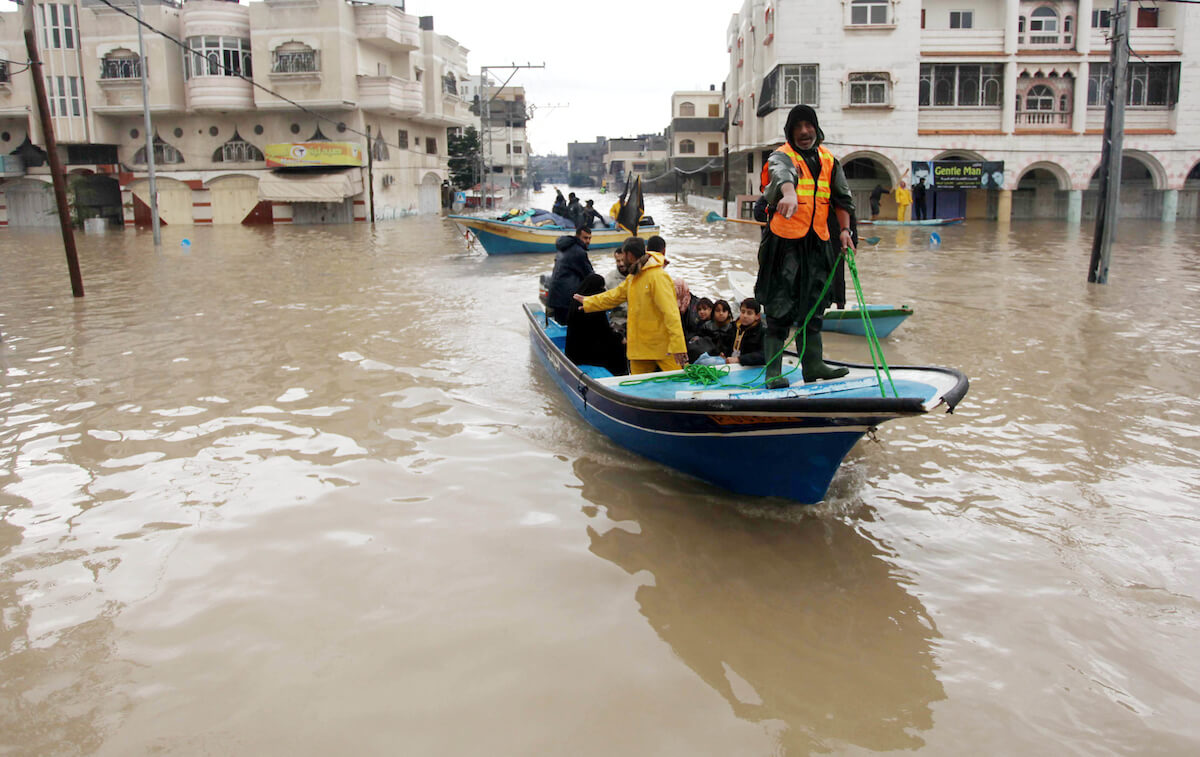
Palestinian civil defense volunteers help people to travel across flood waters in Gaza City following rain storms, on December 14, 2013. A fierce winter storm shut down much of the Middle East at that time, burying Jerusalem in snow, and flooding parts of Gaza. (Photo: Ashraf Amra/APA Images)

In her recent paper “Climate Change, the Occupation, and a Vulnerable Palestine,” Zena Agha outlines the threat that climate change presents to Palestine, how it is exacerbated by the Israeli occupation, and the steps being taken, or not being taken, to prepare for it. Adam Horowitz talks with Agha about what climate change means for the future of Palestine and the Middle East, and how it should fit into the Palestine solidarity movement agenda.

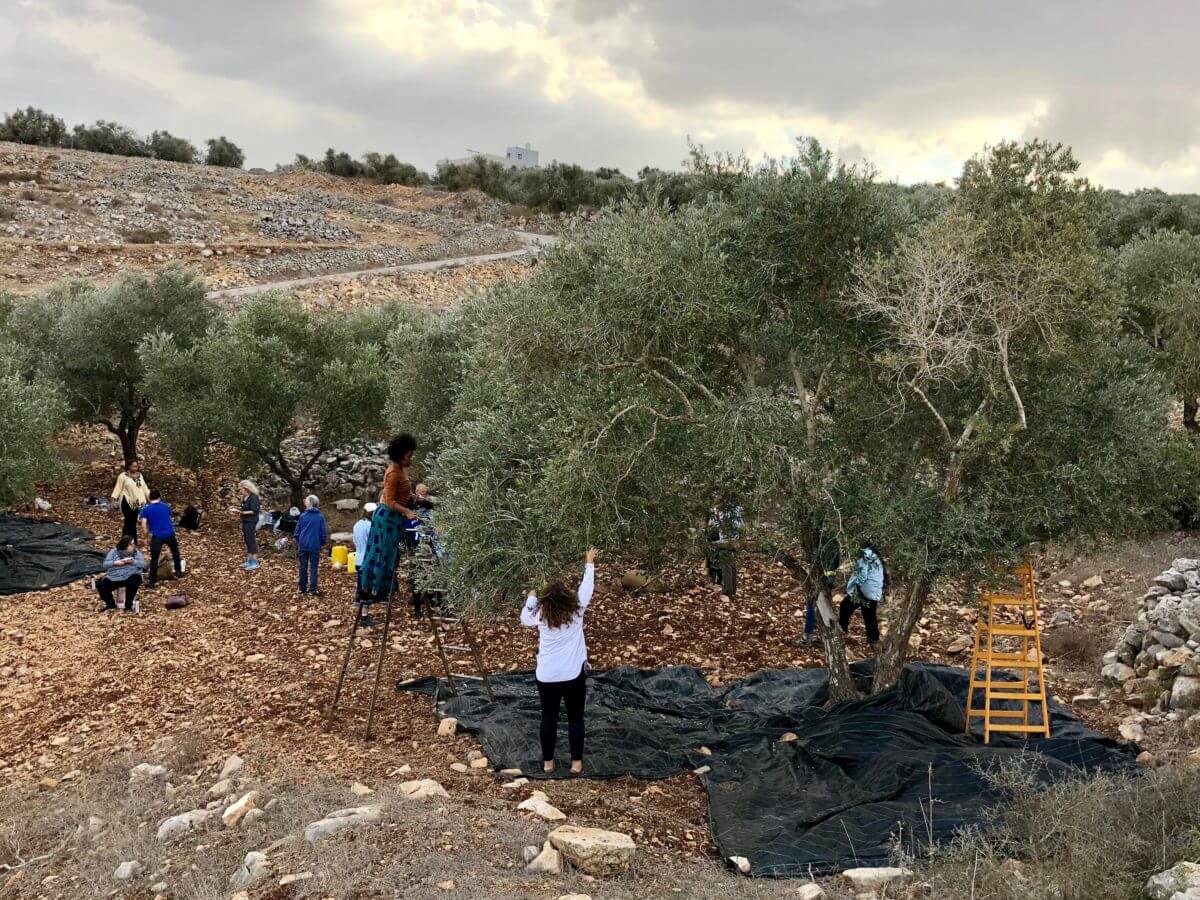
A delegation from Eyewitness Palestine harvests olives at Asira ash-Shamaliya. (Photo: Nancy Murray)

Since 1967 Israel has issued military orders asserting its control over all water sources in the occupied territories, depriving Palestinians access to their own water. What does this water deficit look like on the ground? Nancy Murray explains how Palestinian farms cope without access to irrigated or piped water.  

The urgency of the global climate crisis makes it imperative for any social justice movement to come to grips with, and confront it in some way. Nowhere is the impact to the environment more connected to injustice and oppression than in Palestine.

A ban by Israel on herding black goats – on the pretext they cause environmental damage – is to be repealed after nearly seven decades of enforcement that has decimated the pastoral traditions of Palestinian communities. The Israeli government appears to have finally conceded that, in an age of climate change, the threat of forest fires to Israeli communities is rapidly growing in the goats’ absence. Jonathan Cooks writes that the story of the lowly black goat, which has been almost eliminated from Israel, is not simply one of unintended consequences. It serves as a parable for the delusions and self-destructiveness of a Zionism bent on erasing Palestinians and creating a slice of Europe in the Middle East.

Israel has been itching to run its Separation Wall across the occupied valley of Battir for years, a move that would surely destroy that valley. But Battir has UNESCO status because of its agricultural traditions, including terraced irrigation and heirloom apricot and cucumber, and this has put Israel’s plans on hold for the time being.