Israel resumed its genocidal war on Gaza by cutting off water and electricity to 2.1 million Palestinians, threatening a humanitarian disaster.


Israel resumed its genocidal war on Gaza by cutting off water and electricity to 2.1 million Palestinians, threatening a humanitarian disaster.

The Gaza power crisis has worsened over the summer, as demand for electricity during an unprecedented heat wave has led to even more drastic rationing.
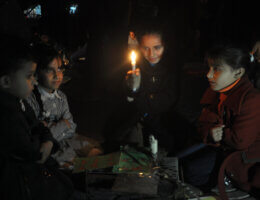
Ghada Hania shares a story about life in Gaza, where electricity can disappear without a moment’s notice.
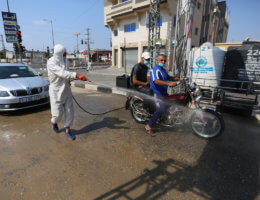
Water shortages in Gaza due to Israeli fuel cuts are leaving Palestinians in a double crisis: a COVID-19 lockdown combined with fears over meeting basic needs.
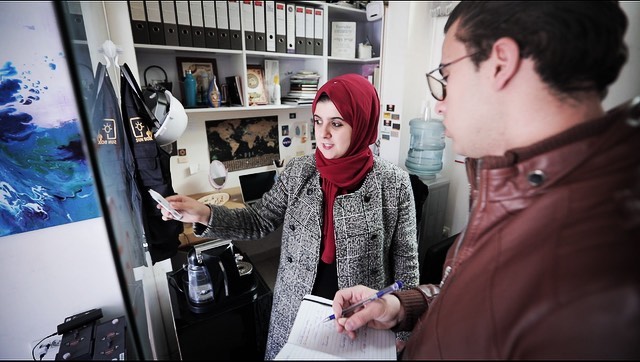
Majd Mashharawi, a 25-year-old civil engineer and the founder of SunBox: “Palestine shapes you just as much as you shape it, or in our case, reshape it. Limited access to electricity is not our major problem. It is what it represents.”
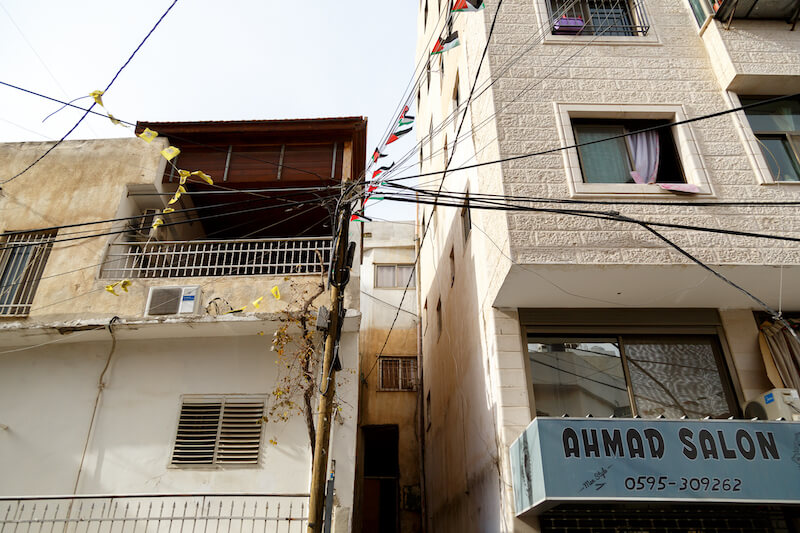
While electrical blackouts are common across the West Bank, scheduled outages are due to continue as the Palestinian power distributor has not paid overdue bills from the Israeli energy provider since 2014.

The two generators of Gaza’s sole power plant stopped operating Jan. 6 due to a severe fuel shortage. For most residents, that means most areas are receiving power for a mere three hours in between 12-hour blackouts. Who and what is to blame is a subject of many dark jokes and frustration—sometimes breaking into protests and arrests. Most residents in Gaza, however, place a large share of the blame on feuding political leaders.