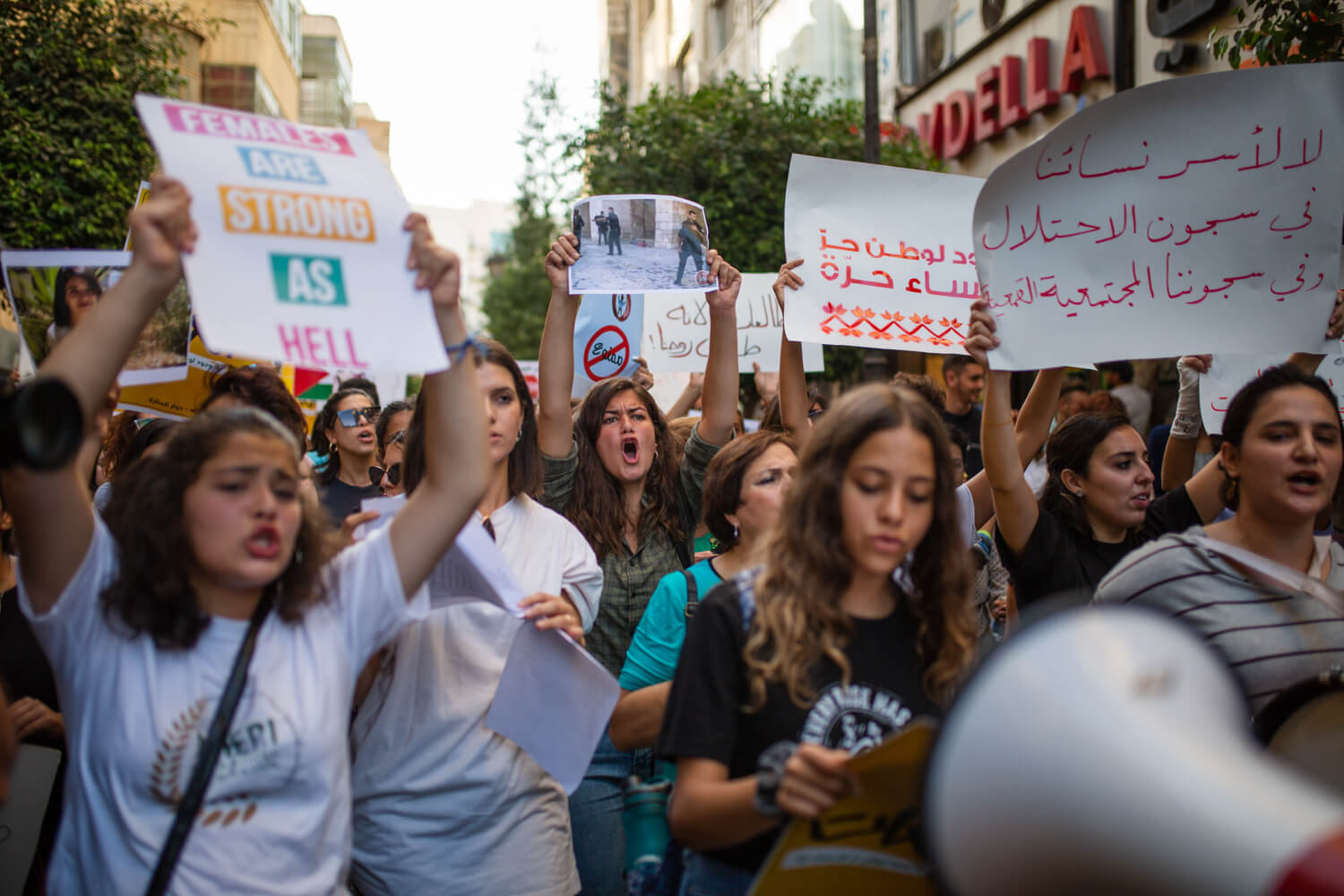
If digital platforms continue to have the power to dictate the terms of the conversation we can only expect a further restriction of what Palestinian scholar Edward Said called “permission to narrate”. As Palestinian feminists, we know the stakes of this moment all too well.
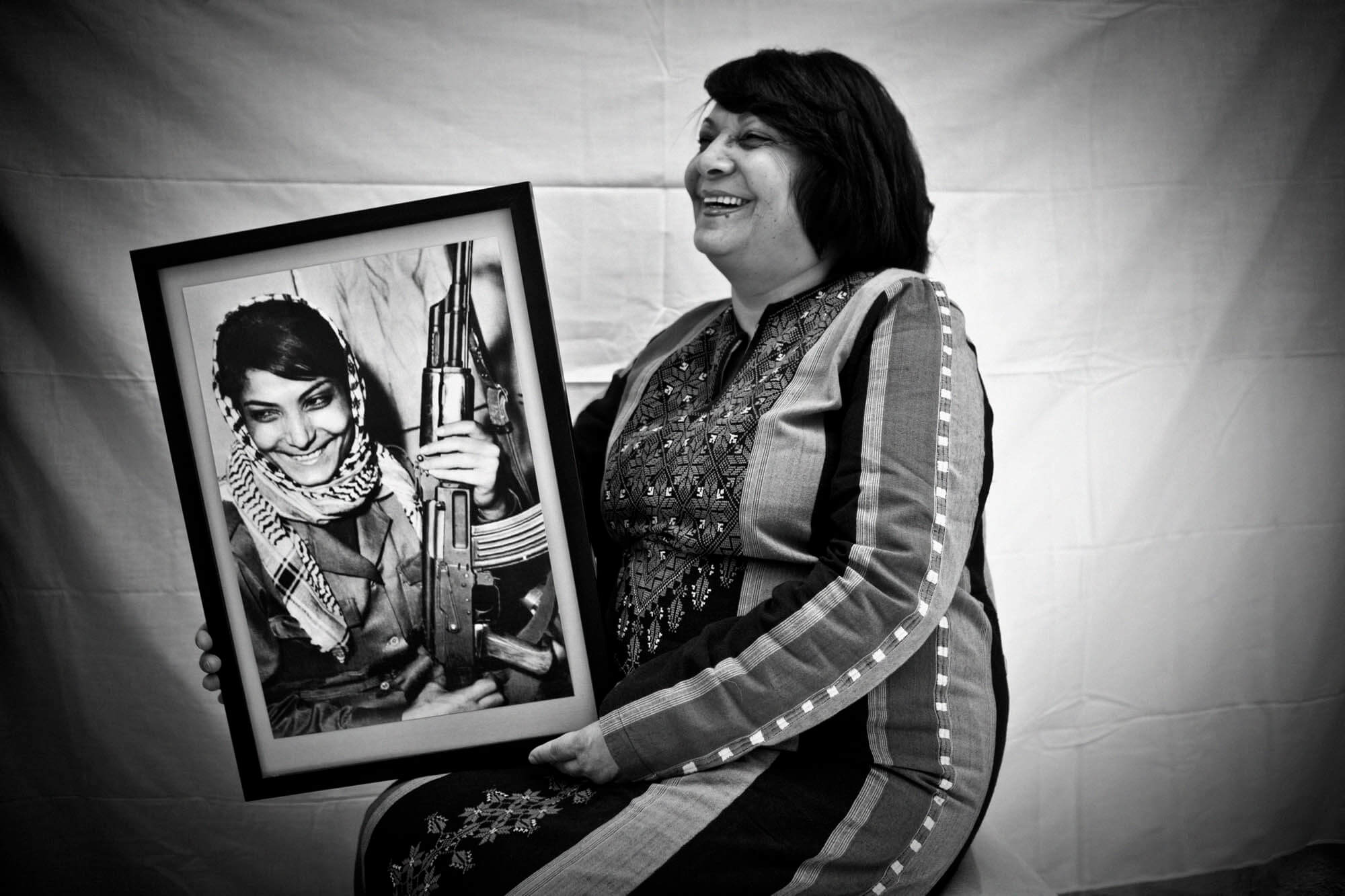
Defying racist and orientalist stereotypes, women in the Middle East and North African region are at the forefront of the struggle for building a fairer, more equal and just society. “As we write, women are occupying squares and marching through the streets of war-torn Iraq, determined to play an active role in shaping their future,” explain Hala Marshood and Riya Al’sanah, both activists with the feminist movement Tal’at.
Recent endorsements of Hillary Clinton by Madeleine Albright and Gloria Steinem brought into focus a long-standing division between powerful, privileged white women’s feminism and intersectional feminism, with its focus on the necessity of analyzing overlapping and intersecting systems of oppression. Nada Elia writes that Palestine stands at the fault line between these two understandings: “Global feminist solidarity is necessarily an anti-colonial, intersectional practice, rather than a diamond-bejeweled white fist raised towards a glass ceiling which prevents privileged women from achieving the presidency of the world’s largest hypermilitarized imperial power.”