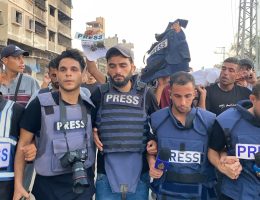
Israel’s slaughter of media workers in Gaza has been the most systemic attack on the press in world history. Shuruq As’ad of the Palestinian Journalists Syndicate shares the conditions Palestinian reporters are facing while reporting on the genocide.
In the months following the killing of Shireen Abu Akleh, Palestinian journalists have faced intensified repression from both Israeli forces and the Palestinian Authority.
Journalism in Palestine becomes a battlefield where the only way to tackle all the injustices swallowing this speck of the world, is to give justice to the story.
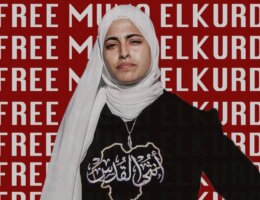
“Israel fights my daughter because she is telling the story of Sheikh Jarrah,” Nabil El-Kurd told journalists and supporters outside the police station following the arrest of his children, Muna and Mohammed El-Kurd.
The unexpected decision by Judge Vanessa Baraitser to deny a US demand to extradite Julian Assange, foiling efforts to send him to a US super-max jail for the rest of his life, is a welcome legal victory, but one swamped by larger lessons that should disturb us deeply.
Gaza photographer Mohammed Asad has just turned away from the fence protest Friday when he felt a sting on his cheek and his camera strap jerk and saw Mohammed al Jahjuh, 16, writhing on the ground Al Jahjuh had been killed by an Israeli sniper. Asad narrowly escaped death, but his $2500 Canon camera was destroyed. He will borrow equipment, he vowed, to return to the protests. Israelis don’t understand “the Palestinian’s stubborn brain.”