The American Psychological Association claims to “prioritize human rights advocacy,” but if its leaders want to truly honor that commitment they must recognize and address the genocide of Palestinians in Gaza today.


The American Psychological Association claims to “prioritize human rights advocacy,” but if its leaders want to truly honor that commitment they must recognize and address the genocide of Palestinians in Gaza today.

A new Gaza Community Mental Health Programme report paints a stark picture of the severe mental health crisis unfolding in Gaza due to the ongoing Israeli genocide.

Amid the chaos and destruction of war, the Gaza Community Mental Health Program stands as a glimmer of hope for agonized and neglected Palestinians struggling to survive the Israeli genocide.

On a medical delegation to Gaza Tom Foster was struck by Israel’s appalling indifference to Palestinian life. “What possible security do you realize by denying a breast cancer patient the standard of care for her disease?” he asks.
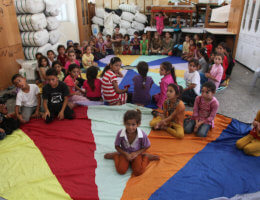
On the occasion of World Mental Health Day, Tamam Abusalama reflects on Palestinians’ personal and collective trauma: “Nearly 20 years after the eruption of the Second Intifada, I still freak out each time I hear ambulance sirens and thunder, or see a soldier or a helicopter. My heart beats so fast that it takes me back to Gaza, trapped with my people and my family during war.”

Gaza Community Mental Health Programme head Yasser Abu Jamei describes how Gaza is responding to the outbreak of COVID-19: “The latest developments were surprising to the overcrowded community who are still in shock.”

On June 25, 2020, the Jewish Voice for Peace Health Advisory Council cohosted with founding members of the Palestine-Global Mental Health Network a webinar titled “Resisting Occupation and Pandemic: Mental Health in Palestine Now.”

Too much idle time, too many memories of too many wars and scholarships lost due to the blockade have triggered a collective depression in Gaza.
Dr. Eyad el Sarraj, who died on December 17 at the age of 70 and…