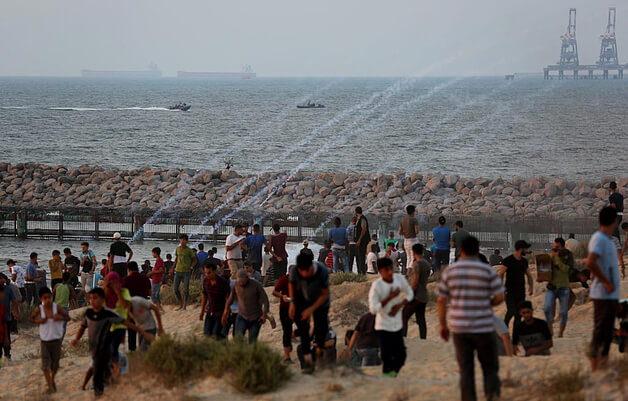
Israeli soldiers opened fire on three Palestinian civilians near a settlement west of Hebron in the occupied West Bank on Saturday, the Palestinian News and Info Agency reported. Badawi Khaled al-Masalma, 18, was seriously wounded and Palestinian medics were not allowed to approach him for several minutes. He later died.
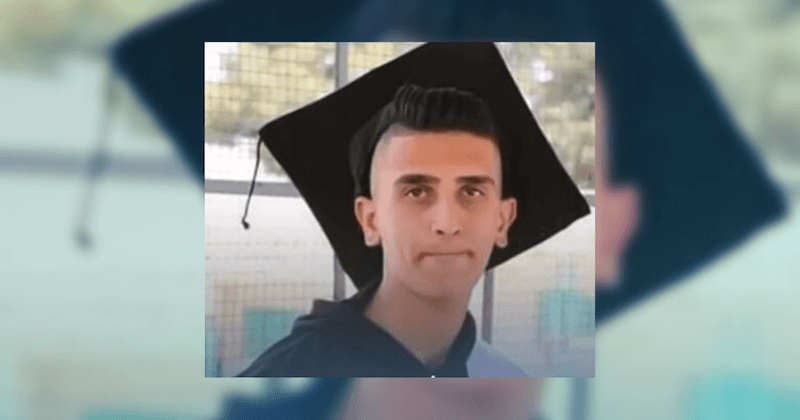
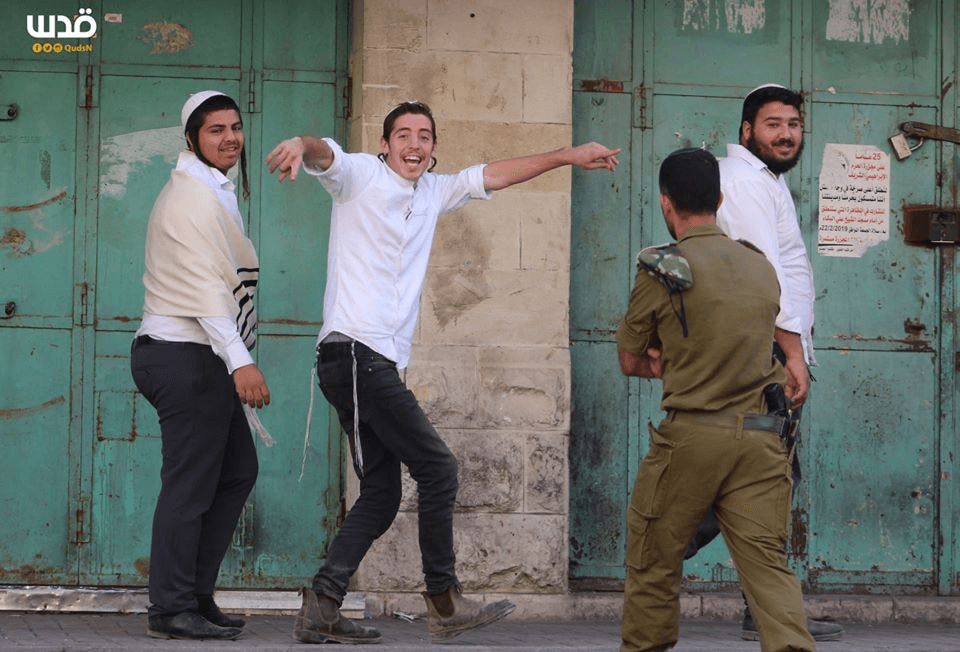
In Hebron last weekend, religious settlers attacked the family of Imad Abu Shamsiyeh, who is famous for filming an Israeli soldier murdering a Palestinian man, and his 1-1/2-year-old grandson was struck in the head with a rock.
Benjamin Netanyahu made an unprecedented visit to the occupied West Bank city of Hebron on Wednesday, sparking angry reactions from Palestinian leaders and citizens. The visit was the first time a sitting Prime Minister gave an address in the flashpoint city, and it was largely seen as an attempt to appease Netanyahu’s right-wing base ahead of this month’s elections.
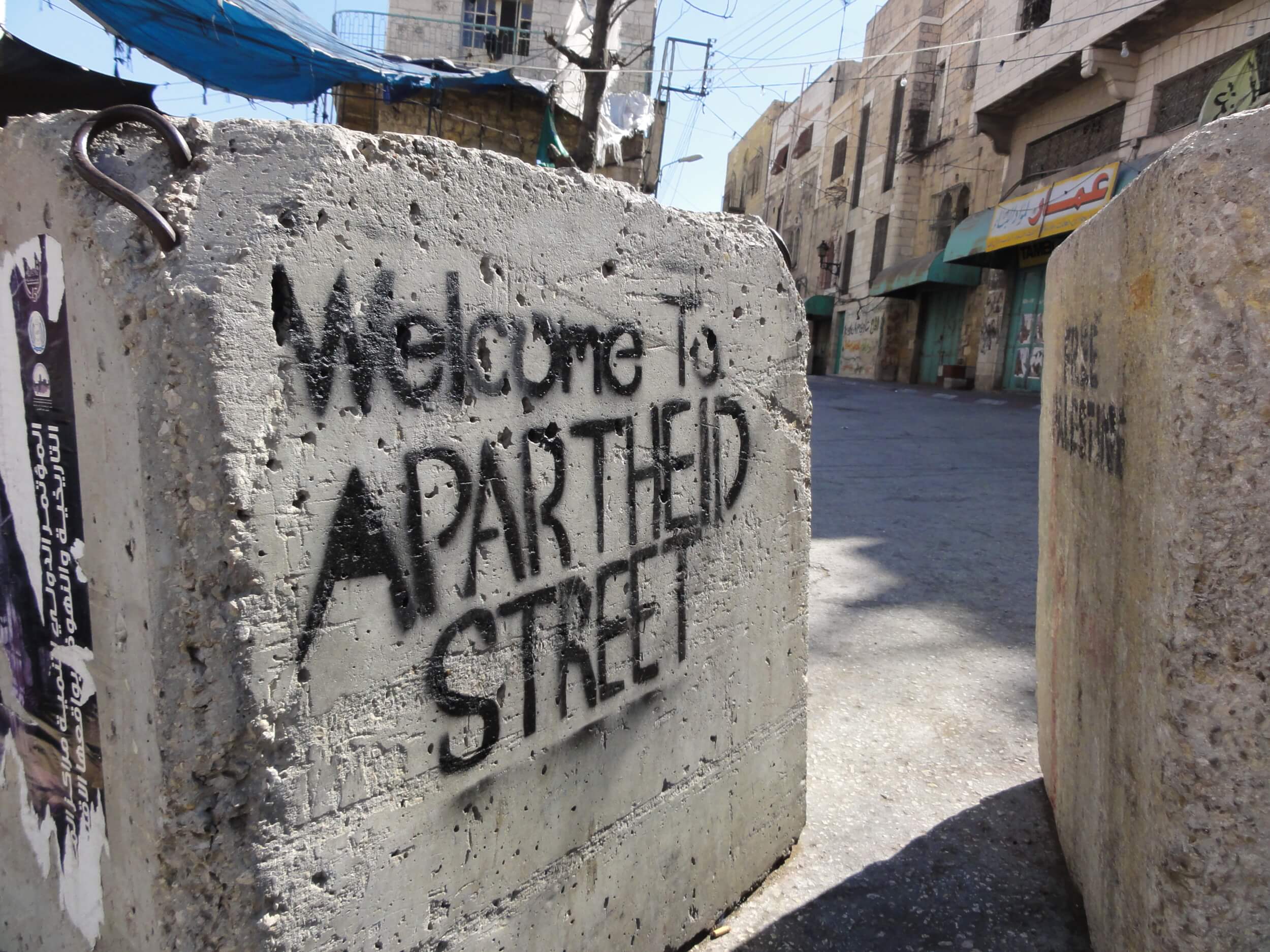
David Halbfinger’s report on a J Street tour for young Jews that spent a day in Palestine offered horrifying glimpses of conditions in occupied Susiya and Hebron that caused two on the tour to question the idea of a Jewish state. The New York Times report represents a giant step forward, and a real sign of things to come. There’s no way to prettify apartheid,
Waheed Fakhoury, 74, sits behind a pottery wheel, eyes glued to a television above as his hands instinctively shape a silky mass of brown earth dug up from the West Bank city of Hebron. Within a few minutes he has modeled a large bowl. Fakhoury means “potter in Arabic.” When asked how long his family has been doing this craft, Waheed chuckles, “As long as my name has been Fakhoury.”
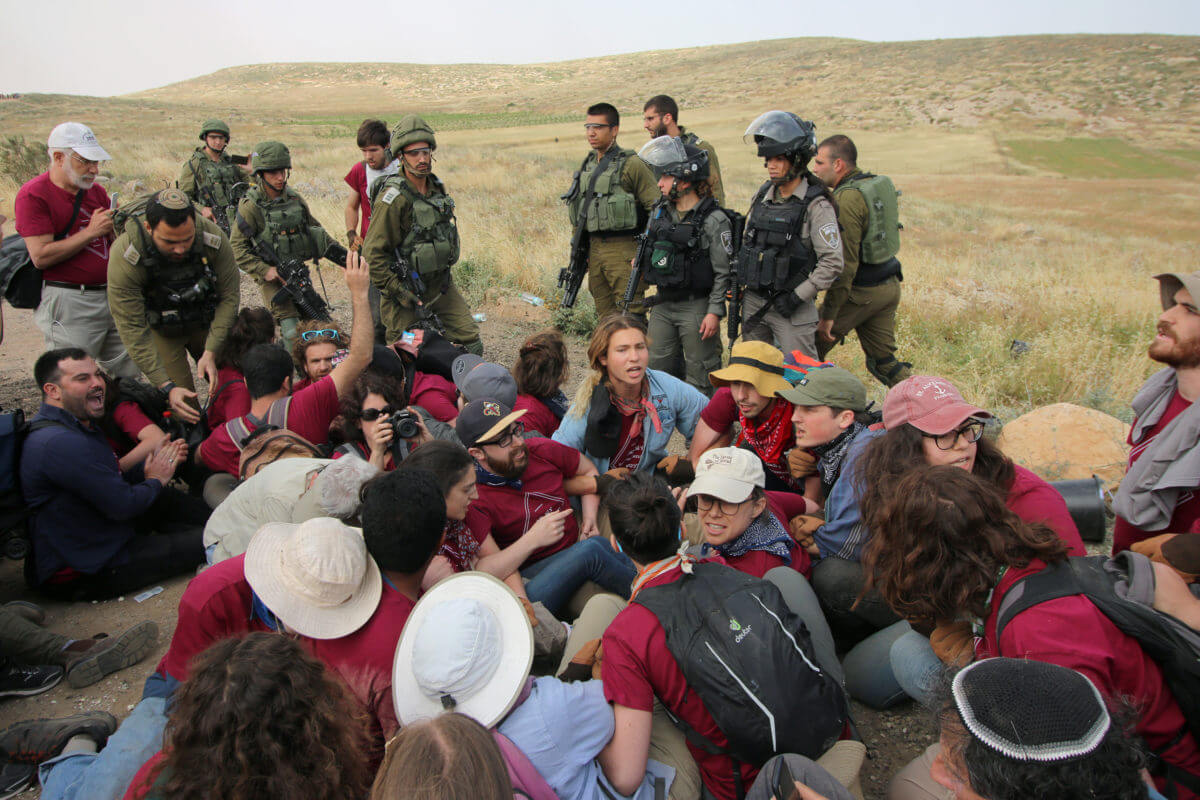
On the morning of Friday, May 3, Israeli forces suppressed a joint action organized by Palestinian, Israeli and International Jewish activists to rehabilitate historical roads that are used by Palestinian communities in South Hebron Hills in the West Bank. Around 17 were arrested, including two photojournalists, who were interrogated in Kiryat Arba police station before getting released after 8 hours of detention.
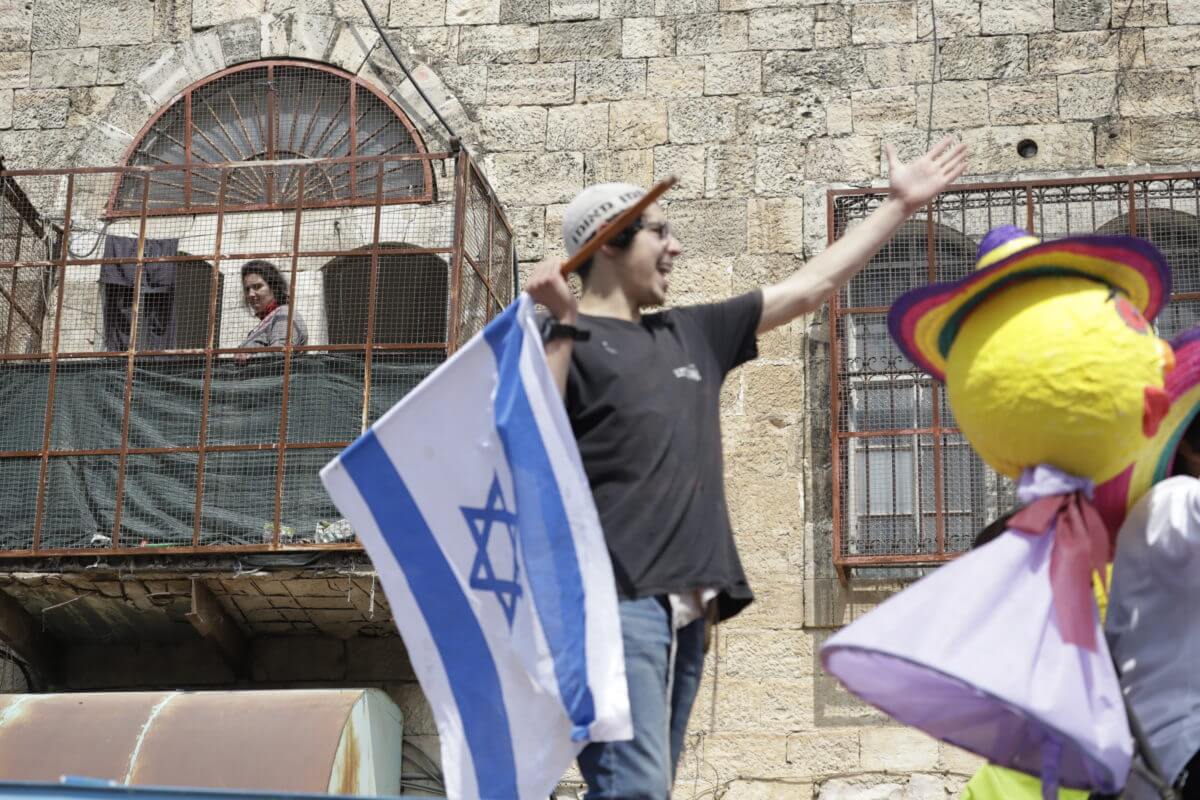
Ahmad Al-Bazz and Anne Paq send a photo essay from Hebron where Israeli settlers marched down Shuhada Street towards the Ibrahimi mosque to celebrate the Jewish holiday of Purim, under the protection of Israeli soldiers and police. The parade started at what was called the “Elor Azaria” junction, a reference to the spot where Azaria, an Israeli soldier and medic, killed an incapacitated Palestinian in March 2016.
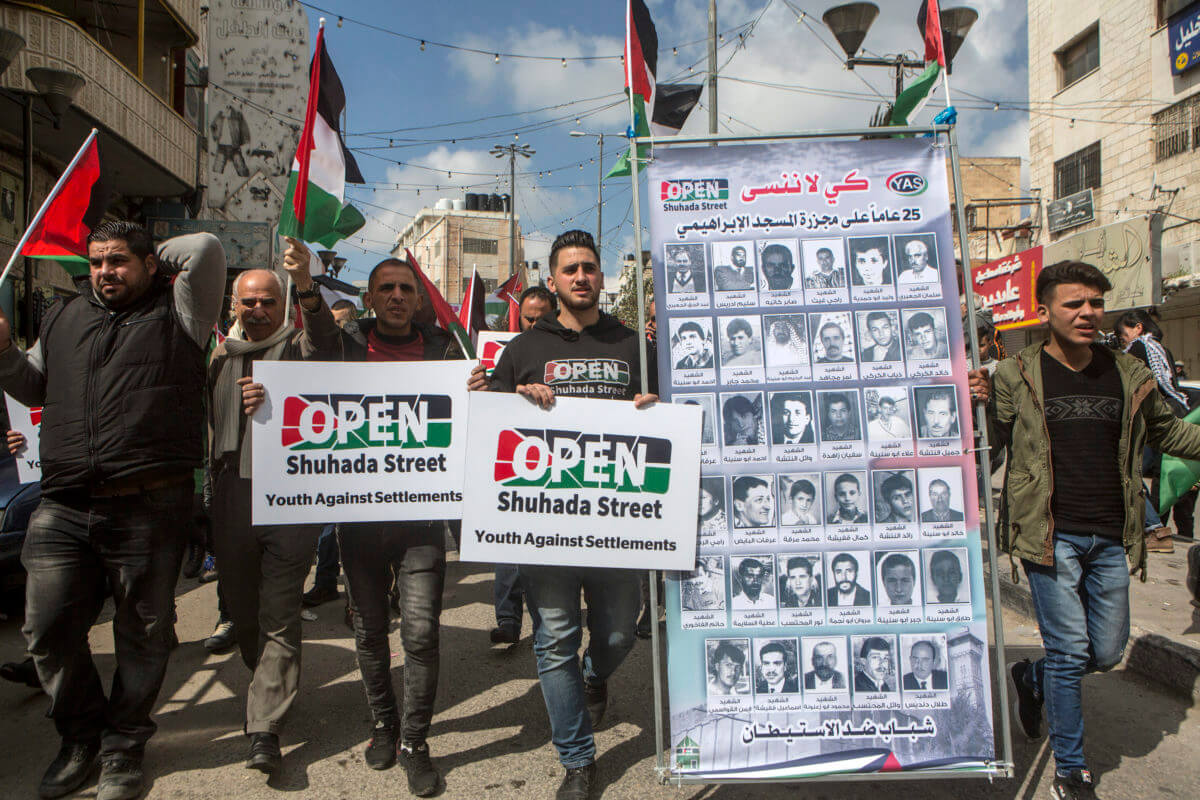
Palestinians took to the streets in Hebron to commemorate when a US-born Israeli settler named Baruch Goldstein opened fire on Palestinian worshippers in the Ibrahimi Mosque in 1994, killing 29 and wounding more than 100. The protests this year were held at a time of heightened tensions in the city following the Israeli government’s expulsion of international human rights observers from the city.
Food assistance in Gaza is suspended, hundreds of Palestinians face eviction in Jerusalem, and international monitors in Hebron are terminated.
Israeli settlers launched an attack on Palestinians in the Old City of Hebron in the southern occupied West Bank on Tuesday night, yelling “death to Arabs!” in the street and hurling rocks at Palestinian homes. Badee Dweik, co-Founder of the Human Rights Defenders group in Hebron, says the attack was a direct result of the lack of international human rights observers who had been expelled by the Israeli government. “Getting rid of [the observers] was a greenlight for settlers to be more violent, not just against Palestinians,but also against any internationals that they see here,” Dweik says.