The devastation in Gaza is not just genocide but also ecocide – the intentional destruction of the ecology. Israel’s assault shows how settler-colonial violence is tied to environmental harm, and why climate justice depends on Palestinian liberation.
No amount of convincing and irrefutable evidence of the genocide will convince Western leaders to halt support for Israel, because it isn’t in their interests. The only thing that will stop the genocide is to make it more costly than profitable.
Israel has been exposed as a dependent colony that relies on the West for its military adventures. And even still, it has failed to turn this advantage over Iran into strategic success. The Israel doctrine appears to be meeting its limits.
We need an alternative approach to understanding Palestine that situates it within the wider region and the Middle East’s central place in our fossil fuel-centered world.
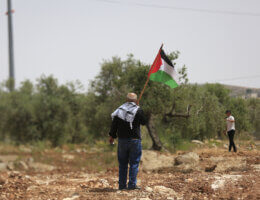
Palestinian resistance is a decolonial struggle against Israeli settler colonialism and U.S. imperialism. This resistance is also confronting the brutal nature of colonial modernity, which is exemplified in Zionism.
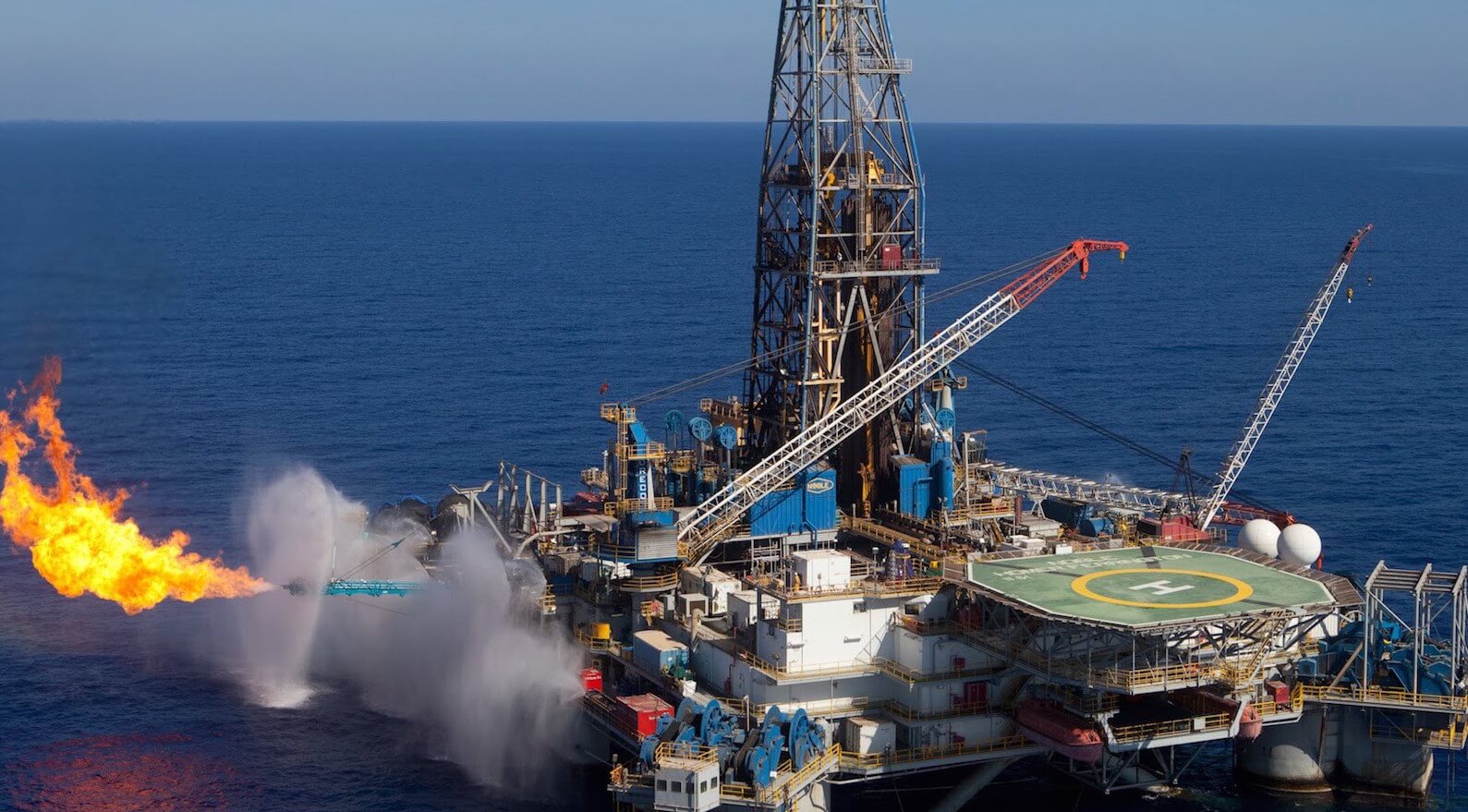
Control of Mediterranean gas fields is not the reason for the current attack on Gaza, but the theft of Palestine’s natural resources has long been a goal of the Zionist settler-colonial project and its Western sponsors.
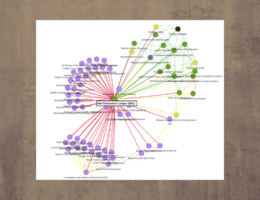
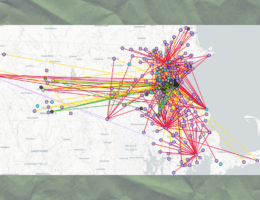
The Mapping Project shows connections between oppressive institutions where we live – including NGOs, weapons companies, computer/logistics companies, universities, biomedical research institutions, and others. The intersections between agents of oppression offer possibilities for connecting our struggles. They study us and are networked; we need to study them and form our own networks of resistance.
An interview with the activists behind the Mapping Project, a project created to “investigate local links between entities responsible for the colonization of Palestine, for colonialism and dispossession here where we live, and for the economy of imperialism and war.”