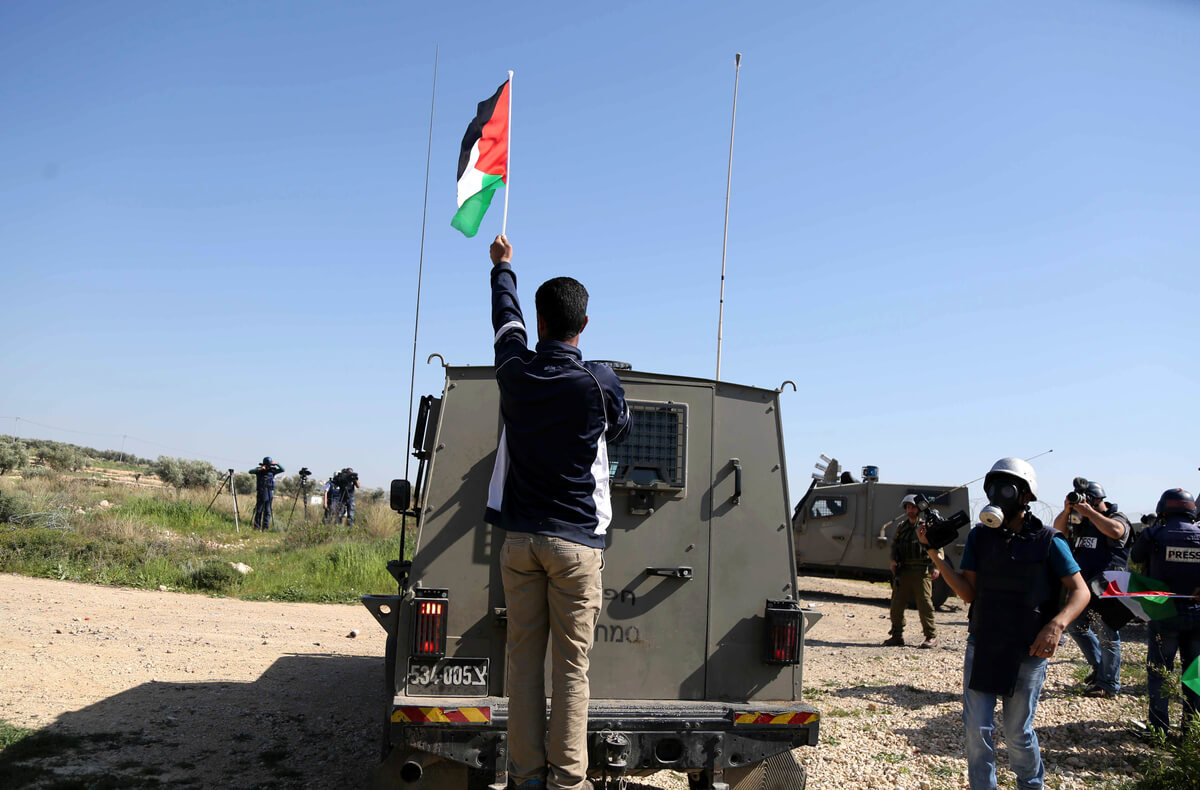
In May 2022 the Israeli Supreme Court ruled to expel the Palestinians living in the South Hebron Hills of the occupied West Bank and hand their land over to the Israeli military. Meet the Palestinians fighting to stay in their homes and resist what rights groups are calling a war crime under international law.
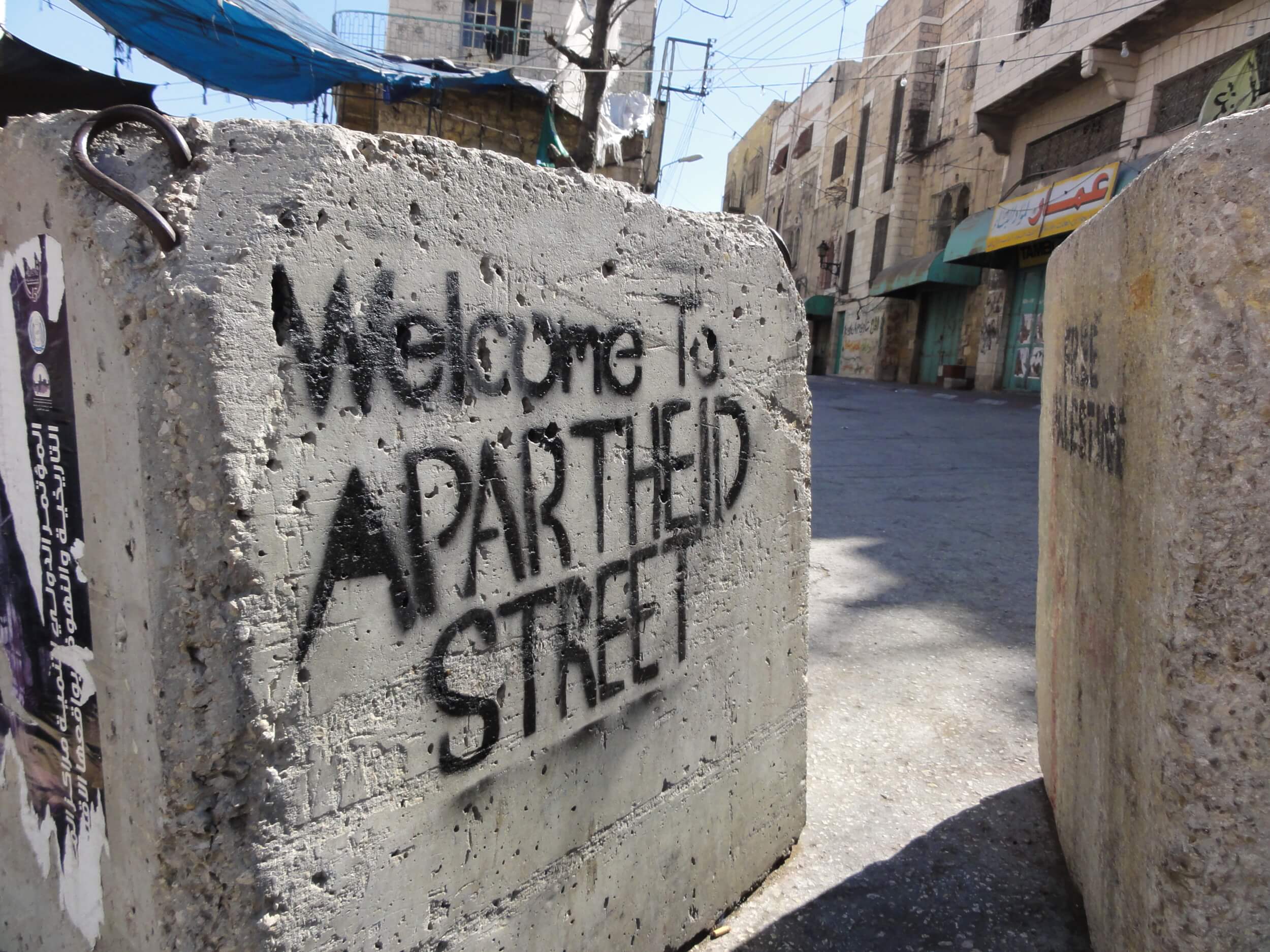
Amnesty International’s failure to recognize apartheid within the context of settler colonialism is not only an inaccurate description of the situation on the ground, but also disregards the root cause of the denial of Palestinian rights for over a century.
The Dutch Government lately deferred to the Israeli government in deciding to defund the Union of Agricultural Work Committees, a leading Palestinian civil society group, because its failure to screen its staff and board on the grounds of their political opinion and affiliation is considered “undesirable” and displays a “lack of candour” by the organisation. That is the sole basis put forward by the Dutch government to terminate funding which started in 2007.
As the word “apartheid” grows in popularity to describe Israeli oppression of Palestinians it is helpful to revisit another concept defined in the mid 20th century: genocide.
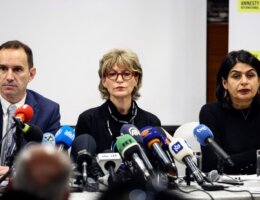
Francesca Albanese and Dr. Lex Takkenberg discuss the origins of the Palestinian refugee crisis, its role within international law, and whether Israel’s actions constitute apartheid.
Yesterday, a Canadian Federal Court of Appeal dismissed the Trudeau government’s appeal of a ruling that ‘Product of Israel’ labels on Israeli settlement wines are “false, misleading and deceptive.” The case now goes back to the Canadian Food Inspection Agency for “reconsideration and redetermination,” and Israeli war crimes will be on the docket.
Palestinian engagement with international legal tribunals can help build global consciousness, but ultimately the law cannot serve as a substitute for the work of social movements in dismantling Israeli colonial-apartheid.
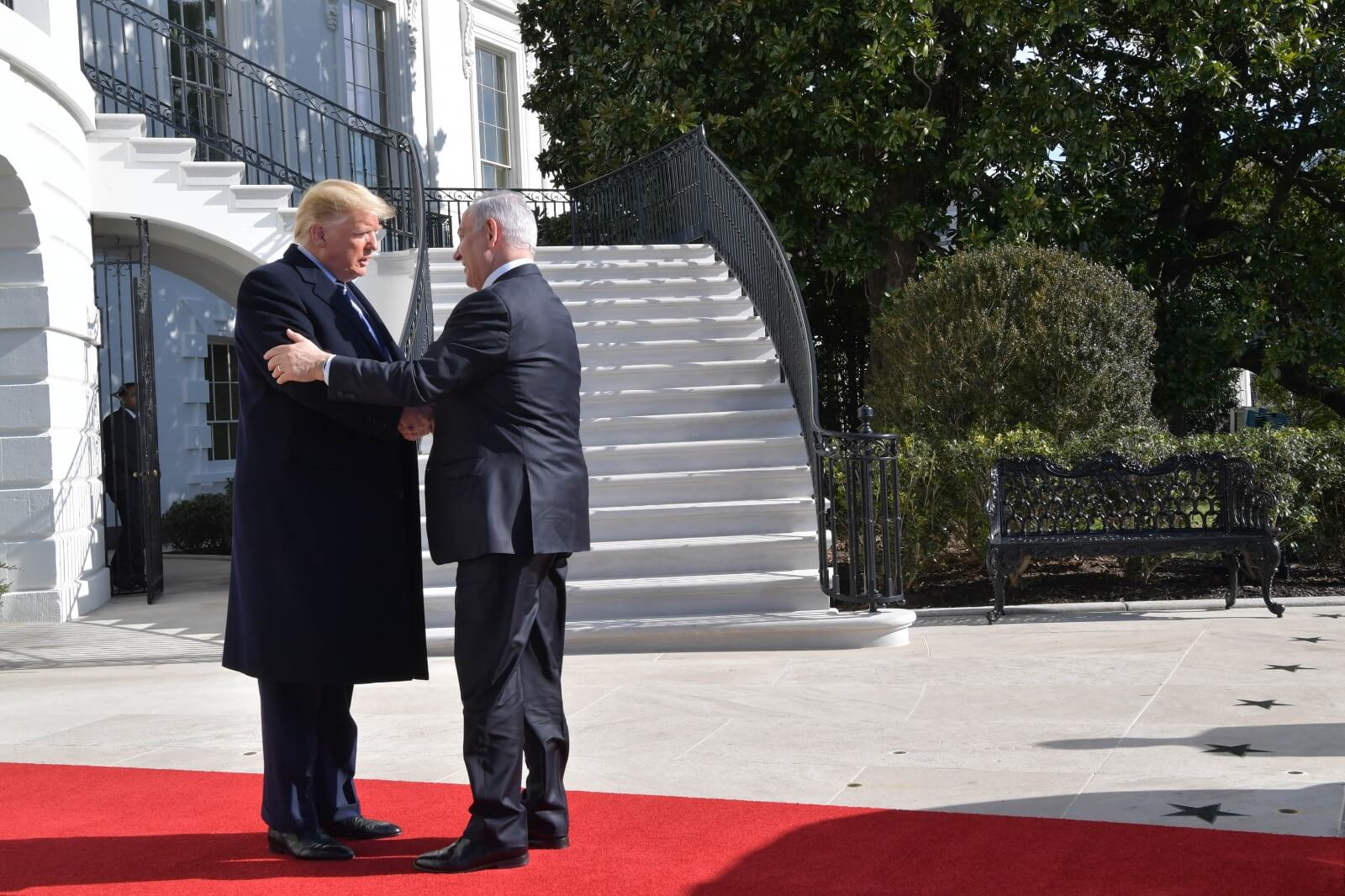
The State of Palestine that would be created under Trump’s “Plan” would be largely fictitious, with no control over its borders, its security and its population, with a completely fragmented and shrinking territory. This would violate international law, gives Palestinians no rights, and is reminiscent of the South African “Bantustan” project of the 1970s, Francois Dubuisson, professor of international law, writes.
In an excerpt from her new book “Justice For Some: Law and the Question of Palestine,” Noura Erakat tackles the Palestinian Authority and its “illusory quest” for statehood where economic perks under the promise of self-autonomy “has shaped the Palestinian leadership’s commitment to U.S. tutelage and its reticence to embark on a bolder course based on a politics of resistance.”
While apartheid, military occupation, and even ethnic cleansing, have at times surfaced in mainstream discussions, these phenomena are not Israel’s ultimate crimes. They are means to control Palestinian lives and, as such, symptoms of the ongoing Nakba. But they are effectively part of a structure that is rarely verbalized: Israel’s genocide of the Palestinian population.