In a clear example of how the New York Times distorts the truth, a recent analysis insinuated there is not international consensus that Israeli settlements violate international law.


In a clear example of how the New York Times distorts the truth, a recent analysis insinuated there is not international consensus that Israeli settlements violate international law.

Members of the Palestinian Legislative Council in Gaza have lodged a complaint to the International Criminal Court protesting Israeli crimes against humanity resulting from the 17-year-long Gaza siege.

The Israeli military has admitted its policy of punitive demolitions does not work as a deterrent measure, and human rights groups have declared the policy violates international law. So, why does Israel continue doing it?

Eighteen years after the ICJ’s 2004 Advisory Opinion on the legality of the separation wall, the ICJ is now weighing in on the legality of the occupation itself.
“Unlike the Wall Advisory Opinion, which focused on a comparatively narrow set of factual and temporal circumstances […] the requested advisory opinion would entail an evaluation of the legality of Israel’s occupation as a whole,” Anna-Christina Schmidl, a staff member with Diakonia, told Mondoweiss.
Such an opinion would focus on “the impact of ‘colonial domination, alien subjugation and foreign occupation’, on the right to self-determination, and thus go to the very heart of the principles upon which the United Nations was founded.”
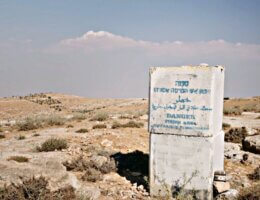
In May 2022 the Israeli Supreme Court ruled to expel the Palestinians living in the South Hebron Hills of the occupied West Bank and hand their land over to the Israeli military. Meet the Palestinians fighting to stay in their homes and resist what rights groups are calling a war crime under international law.
Amnesty International’s failure to recognize apartheid within the context of settler colonialism is not only an inaccurate description of the situation on the ground, but also disregards the root cause of the denial of Palestinian rights for over a century.

The Dutch Government lately deferred to the Israeli government in deciding to defund the Union of Agricultural Work Committees, a leading Palestinian civil society group, because its failure to screen its staff and board on the grounds of their political opinion and affiliation is considered “undesirable” and displays a “lack of candour” by the organisation. That is the sole basis put forward by the Dutch government to terminate funding which started in 2007.
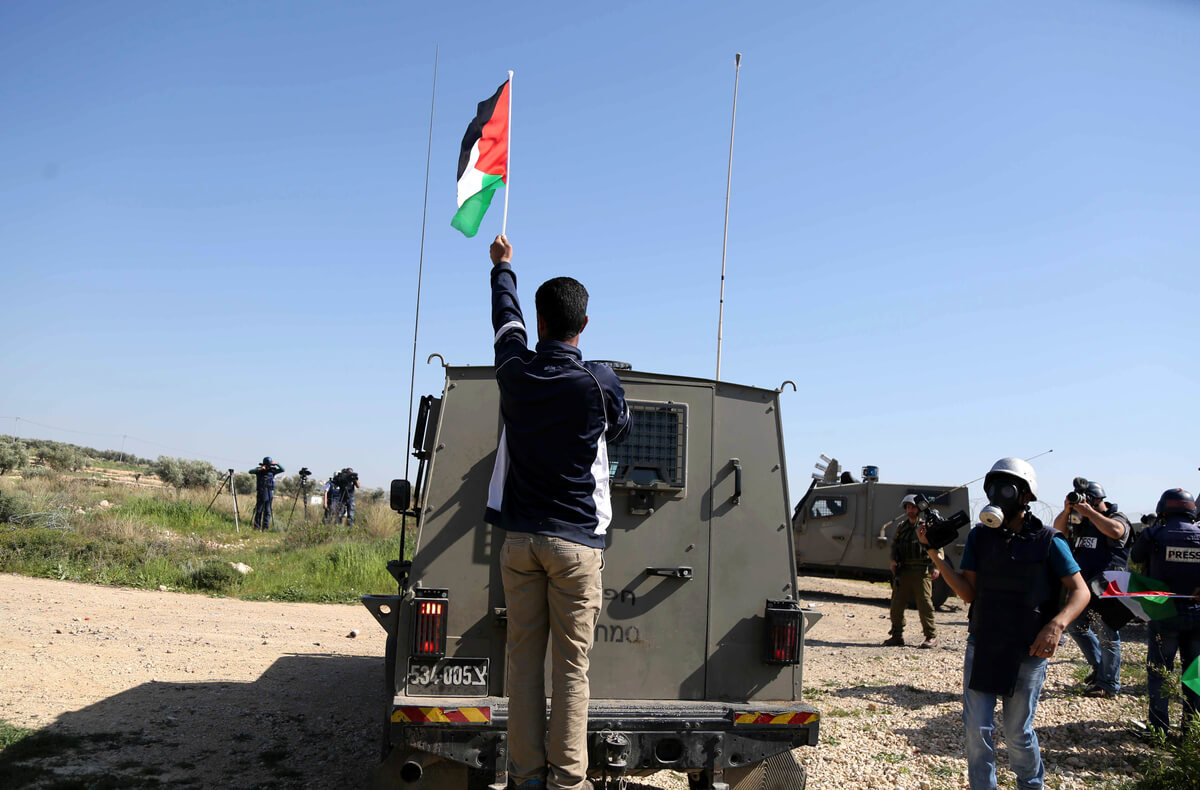
As the word “apartheid” grows in popularity to describe Israeli oppression of Palestinians it is helpful to revisit another concept defined in the mid 20th century: genocide.

Francesca Albanese and Dr. Lex Takkenberg discuss the origins of the Palestinian refugee crisis, its role within international law, and whether Israel’s actions constitute apartheid.

Yesterday, a Canadian Federal Court of Appeal dismissed the Trudeau government’s appeal of a ruling that ‘Product of Israel’ labels on Israeli settlement wines are “false, misleading and deceptive.” The case now goes back to the Canadian Food Inspection Agency for “reconsideration and redetermination,” and Israeli war crimes will be on the docket.