The Jenin Freedom Theater, an embodiment of the “cultural resistance” genre of committed art, ceased operations after the Israeli army ethnically cleansed Jenin refugee camp’s residents. The theater is now gathering stories of displacement.
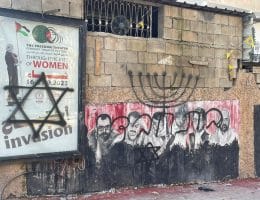

The Jenin Freedom Theater, an embodiment of the “cultural resistance” genre of committed art, ceased operations after the Israeli army ethnically cleansed Jenin refugee camp’s residents. The theater is now gathering stories of displacement.

If we take up arms, they call us terrorists and kill us, and if we try to resist through art, they bomb us. Why do we have no right to dream like any other human being created in God’s image?
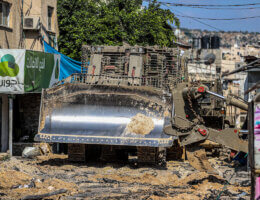
As the occupation relentlessly tightens its grip on the Jenin refugee camp, the message is crystal clear – punish the stronghold of popular resistance. But they will not succeed and will only breed a new generation to carry the torch.

Mahmoud Al-Saadi was in his final year of high school, and his father worked all his life to secure an education for his son. Israel killed his father’s joy.
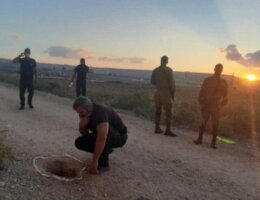
The Tunnel for Freedom, when six Palestinians escaped from Israel’s notorious Gilboa prison, has become an iconic moment in modern Palestinian history. One year later, the six prisoners have been re-arrested but the unity their daring action inspired lives on.
“Those days of freedom,” Aymen Kamamji’s father tells Mondoweiss, “they were some of the happiest days of our lives.”
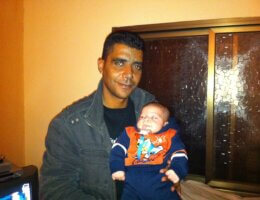
Eleven years ago filmmaker Udi Aloni moved to the Jenin refugee camp to work at the Jenin Freedom Theater. During that time he lived in Zakaria Zubeidi’s house. Here, Aloni recalls several stories from him time with Zubeidi on the nature of art and resistance.

“Grey Rock,” a play by Amir Nizar Zuabi about a Palestinian television repairman who is secretly building a rocket in his shed to reach the moon, is about the right of Palestinians to escape their oppression and dream of great achievements. It is at the Public Theater in NY then at the Guthrie, and you should see it if you can.

The Jenin Freedom Theatre production of The Siege, which featured Palestinian resistance fighters, was an unmitigated triumph in October in New York. It brought in an audience of 3500 over 10 performances; it drew scarcely any of the attacks/demonstrations/official smears that were anticipated, thereby completely vindicating NYU’s brave decision to go forward in spite of inside pressure; and it gave the Palestinian production company the thrilling realization that they were welcome at last in the American cultural scene.
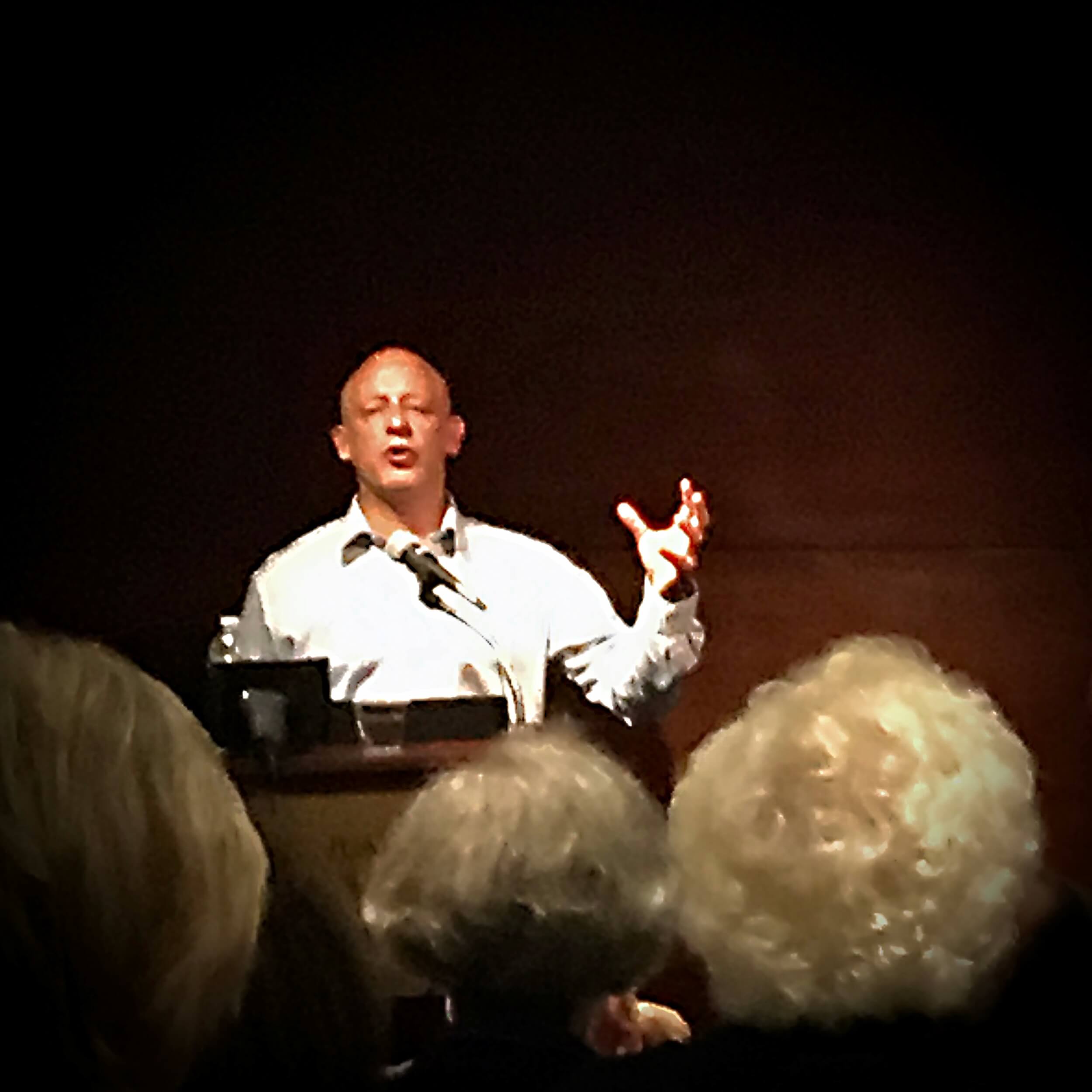
Taking on the Jenin Freedom Theatre’s staging in New York of a dramatized episode in the Second Intifada, the siege of the Church of the Nativity in Bethlehem, NYU’s Taub Center for Israel Studies screened a PBS documentary featuring Israeli colonel Lior Lotan, the chief Israeli negotiator during the siege. And Lotan followed the screening with an hour-long elaboration of events that often felt hackneyed and stale.
After being censored for a year, “The Siege” by the Jenin Freedom Theatre premiered at the Skirball Center at NYU. Phil Weiss reviews the production: “For an hour and a half you are transported entirely inside the Palestinian narrative. There is no coerced attempt at balance, there are just Palestinians, joking, swearing, fearful, resisting, wondering at their fate. It’s all that anyone seeks to do in a work of art: to tell their truth. I have not seen this consciousness conveyed so genuinely before in a mainstream cultural space.”