Israel has begun implementing its plan to end the Palestinian refugee issue by demolishing its most important symbol: the refugee camp.


Israel has begun implementing its plan to end the Palestinian refugee issue by demolishing its most important symbol: the refugee camp.

Palestinians displaced from refugee camps in the northern West Bank are demanding to return to their homes after an Israeli military takeover of the camps, and they fear that proposed U.S. plans for rebuilding the camps will completely erase them.

The Jenin Freedom Theater, an embodiment of the “cultural resistance” genre of committed art, ceased operations after the Israeli army ethnically cleansed Jenin refugee camp’s residents. The theater is now gathering stories of displacement.

Throughout the Gaza genocide, testimonies have documented the Israeli army’s use of Palestinian women as human shields. These are not isolated acts by rogue soldiers but a systematic practice known to Israeli commanders and acknowledged by soldiers.

United in grief over their sons, either killed or jailed by Israel, these Palestinian mothers formed a “league” to support one another. But as Israel’s violence expands, and new mothers join their league, the group is finding it harder to operate.

Six months since Israel’s expanded military assault on the refugee camps of Jenin and Tulkarem in the northern West Bank, over 42,000 Palestinian refugees remain forcibly displaced and have no stable access to food, water, or shelter.

I was with Shireen Abu Akleh when she was murdered on May 11, 2022. The Palestinian resistance in Jenin killed her murderer, but I find myself asking, was justice served, or did he escape accountability?

As Israeli airstrikes throughout Lebanon continue, the Lebanese state is threatening to disarm Palestinian factions in the refugee camps. Residents fear this is a prelude to an all-out assault on the camps — and the Palestinian cause.
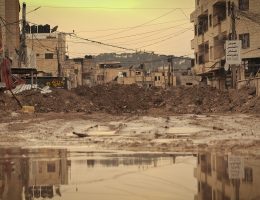
Israel is erasing Jenin refugee camp because of its role in Palestinian collective memory and resistance. It might destroy the camp, but it can never extinguish what it represents.
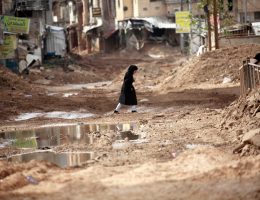
The Israeli army expanded its “Iron Wall” offensive in the northern West Bank, sending tanks into Jenin for the first time in two decades and announcing that displaced residents from Jenin and Tulkarem would not be allowed to return to their homes.