Jimmy Carter was a war criminal like every other modern president, but his book told the truth about Israel.
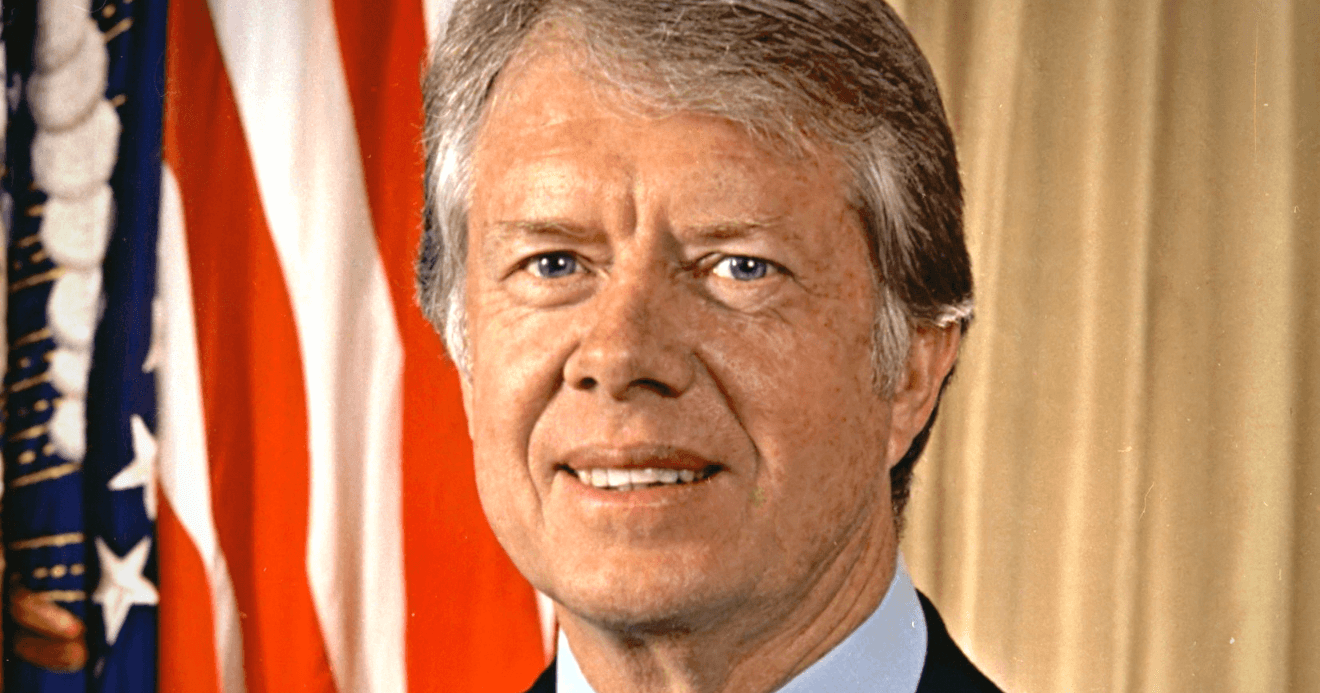

Jimmy Carter was a war criminal like every other modern president, but his book told the truth about Israel.

Jimmy Carter, who died on Sunday at the age of 100, was attacked for telling the truth about Israel. Many Democrats joined the smear campaign.

Former U.S. President Jimmy Carter, who died Sunday at the age of 100, is a man whose legacy will forever be inextricably linked to Israel and Palestine. Yet that legacy will be built as much on myth as on reality.

The last three Democratic presidents took a “cautionary tale” from Jimmy Carter and decided not to push the issue of Palestinian justice because it might cost them a second term, says Eric Alterman.

Israeli Finance Minister Bezalel Smotrich published a shocking plan in 2017 to advance Israeli apartheid. Now that it is being put into action veteran journalist Ron Ben-Yishai finally recognizes the danger.

U.N. human rights investigator Miloon Kothari has now apologized for criticizing the “Jewish lobby.” But Israel advocates including Alan Dershowitz, Stu Eizenstat, JJ Goldberg and Bari Weiss have long acknowledged the power of the Israel lobby in forming U.S. policy, and said it expresses the goals of the Jewish community.
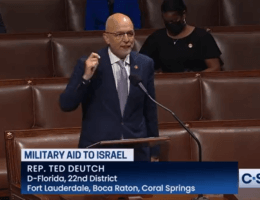
Progressive forces enjoyed a triumph for Palestinian human rights last week before House leadership called for a standalone vote that went 420-9 for Israel military aid. The pro-Israel lobby still has a “stranglehold” over policymaking because it has the overwhelming backing of the organized Jewish community, and a lot of money to spend on political races.

More than 1000 academics, artists and intellectuals have signed a “Declaration on the Suppression and Punishment of the Crime of Apartheid in Historic Palestine.” There used to be a mainstream prohibition on the word apartheid. In 2021, that logjam has broken. The world’s civil societies have had enough. Across countries and continents, across age groups and ethnicities, the marches, the manifestos, the opeds, the motions passed overwhelmingly have swelled into a torrent.

“[T]he occupation is not temporary, and there is not the political will in the Israeli government to bring about its end,” write Alon Liel and Ilan Baruch. “It is time for the world to recognize that what we saw in South Africa decades ago is happening in the occupied Palestinian territories too… and take decisive diplomatic action… and work towards building a future of equality, dignity, and security for Palestinians and Israelis alike.”

The Democratic Party is about to become the latest “existential threat” to the Jewish state. And there’s one thing you can be sure of, Zionists won’t take U.S. defection lying down. Tom Friedman worries that things here could “blow up.”