Mahmoud Abbas declared that the Palestinians are ending all agreements with Israel and the US. But a real break from the Oslo Accords would also include ending the fiction of the two-state solution.
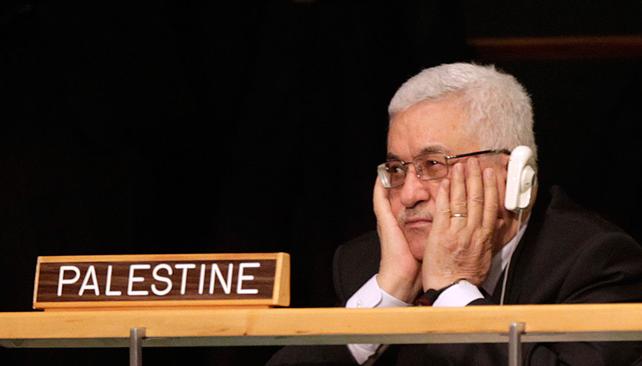

Mahmoud Abbas declared that the Palestinians are ending all agreements with Israel and the US. But a real break from the Oslo Accords would also include ending the fiction of the two-state solution.

Joel Doerfler reviews University of Pennsylvania political scientist Ian S. Lustick’s “Paradigm Lost: From Two-State Solution to One-State Reality” which says goodbye to the two-state solution, and calls for a new paradigm and a new politics based on a One-State Reality.

If supporters of a two-state solution are unable or unwilling to come up with a plan then Israel, with the full support and encouragement of the Trump administration, will very soon have the distinction of being not just the world’s only Jewish state, but the world’s only apartheid state as well.
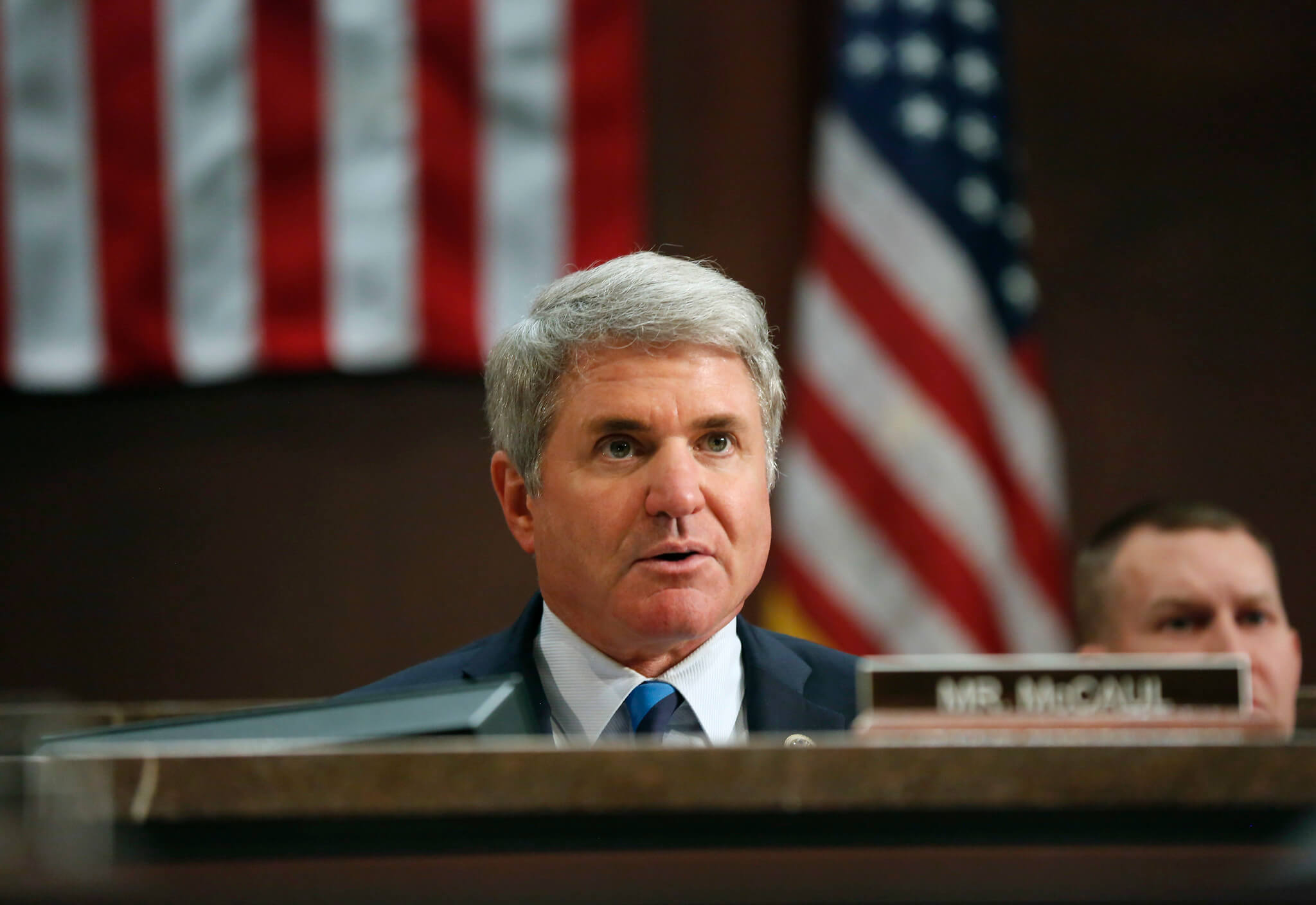
Democrats are pushing to pass a watered-down and toothless version of a resolution supporting a negotiated two-state resolution to the Israeli-Palestinian issue in the coming weeks, and yet Republicans say even this contradicts the Trump Administration’s peace plan. Rep. Michael McCaul (R-TX), the ranking member of the House Foreign Affairs Committee, said the resolution is designed to “score points against the President” and “cut the Administration’s peace process off at the knees, ensuring that any political proposal released by the Administration already has the black mark of a rebuke by the House of Representatives.”
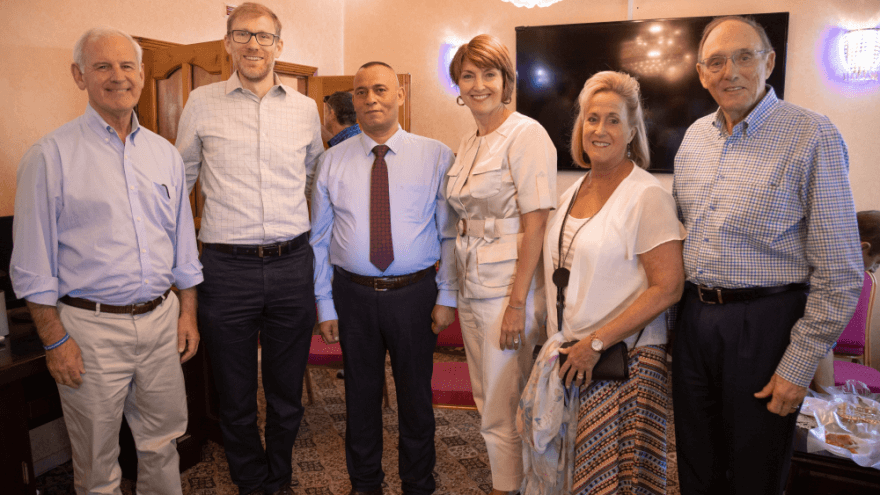
In August, a group of GOP lawmakers quietly went on a tour of West Bank settlements sponsored by a right-wing Evangelical organization. Following the tour they spoke on the floor of the House about why they now oppose the two-state solution.

Benjamin Netanyahu’s main opposition in the the upcoming Israeli elections responded to his call to annex the West Bank by saying they had the idea first. Between the support of the Trump administration, and Israeli political consensus, and there is little standing in the way of annexation.

The Netanyahu government barred Rashida Tlaib and Ilhan Omar over their support for BDS, but earlier this week Israeli lawmakers sent a letter to Congress saying the two-state solution is more dangerous than BDS. Will Netanyahu bar two-state supporters next?
On August 12, Twenty-one Israeli lawmakers sent a letter to members of Congress criticizing a bill that condemned the boycott of Israel because it endorsed a two-state solution. “We would like to make our position clear that the establishment of a Palestinian state would be far more dangerous to Israel than BDS,” the letter reads.

Speaking in a public forum in Tel Aviv, Palestinian civil rights activist Jafar Farah responds to a question from a Zionist Israeli about the Jewish right to the land based on a two-thousand-year history: “In the last three thousand years, I didn’t expel you from here, I’m not responsible for this. It’s a chutzpah to lay the blame for that on me. My parents lived in Haifa and one day woke up and found that rather than 70,000 Palestinians they were merely 2,000. They try every day to rebuild themselves and deal with the trauma you’ve created for us. And yes, you have no right to expel another people because God promised you something.”

Democrats are all for two states as an article of faith. But their Israeli counterparts can’t use the phrase, instead talking about “divorcing” Palestinians or “separating” from Palestinians. So maybe we should pay more attention to Rep. Rashida Tlaib, who says, “separate but unequal” didn’t work in the U.S. and it won’t work over there.