Palestinians displaced from refugee camps in the northern West Bank are demanding to return to their homes after an Israeli military takeover of the camps, and they fear that proposed U.S. plans for rebuilding the camps will completely erase them.


Palestinians displaced from refugee camps in the northern West Bank are demanding to return to their homes after an Israeli military takeover of the camps, and they fear that proposed U.S. plans for rebuilding the camps will completely erase them.

The Jenin Freedom Theater, an embodiment of the “cultural resistance” genre of committed art, ceased operations after the Israeli army ethnically cleansed Jenin refugee camp’s residents. The theater is now gathering stories of displacement.

Israel’s ethnic cleansing campaign in the West Bank is being accepted by the international community because it has already allowed genocide in Gaza and the forced displacement of Palestinians since 1948. But there is hope a new world is being born.
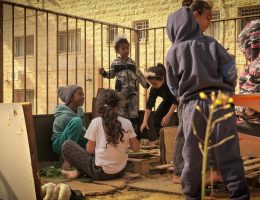
Political conflict was never the choice of Palestinians. It was and still is the ocean that separates them from their houses, their trees, and the graves of their elders, from Gaza all the way to Jenin.

Inside the human toll of Israel’s campaign of forcible displacement in the northern West Bank’s refugee camps.
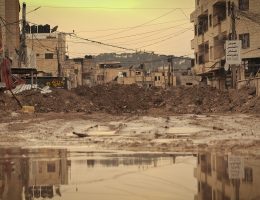
Israel is erasing Jenin refugee camp because of its role in Palestinian collective memory and resistance. It might destroy the camp, but it can never extinguish what it represents.
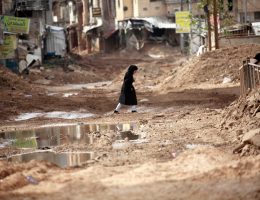
The Israeli army expanded its “Iron Wall” offensive in the northern West Bank, sending tanks into Jenin for the first time in two decades and announcing that displaced residents from Jenin and Tulkarem would not be allowed to return to their homes.

Israel has killed 55 Palestinians after one month of its ongoing “Iron Wall” offensive in the West Bank. Killings, mass displacement, and uncertainty are the new normal.
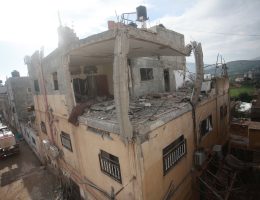
Israel’s ongoing assault on the West Bank is not to wipe out the Palestinian resistance. It is to ethnically cleanse Palestinians from their homes and set the stage for annexation.