Saree Makdisi’s “Tolerance Is a Wasteland: Palestine and the Culture of Denial” shows just what a sham Israeli liberalism always was and continues to be.
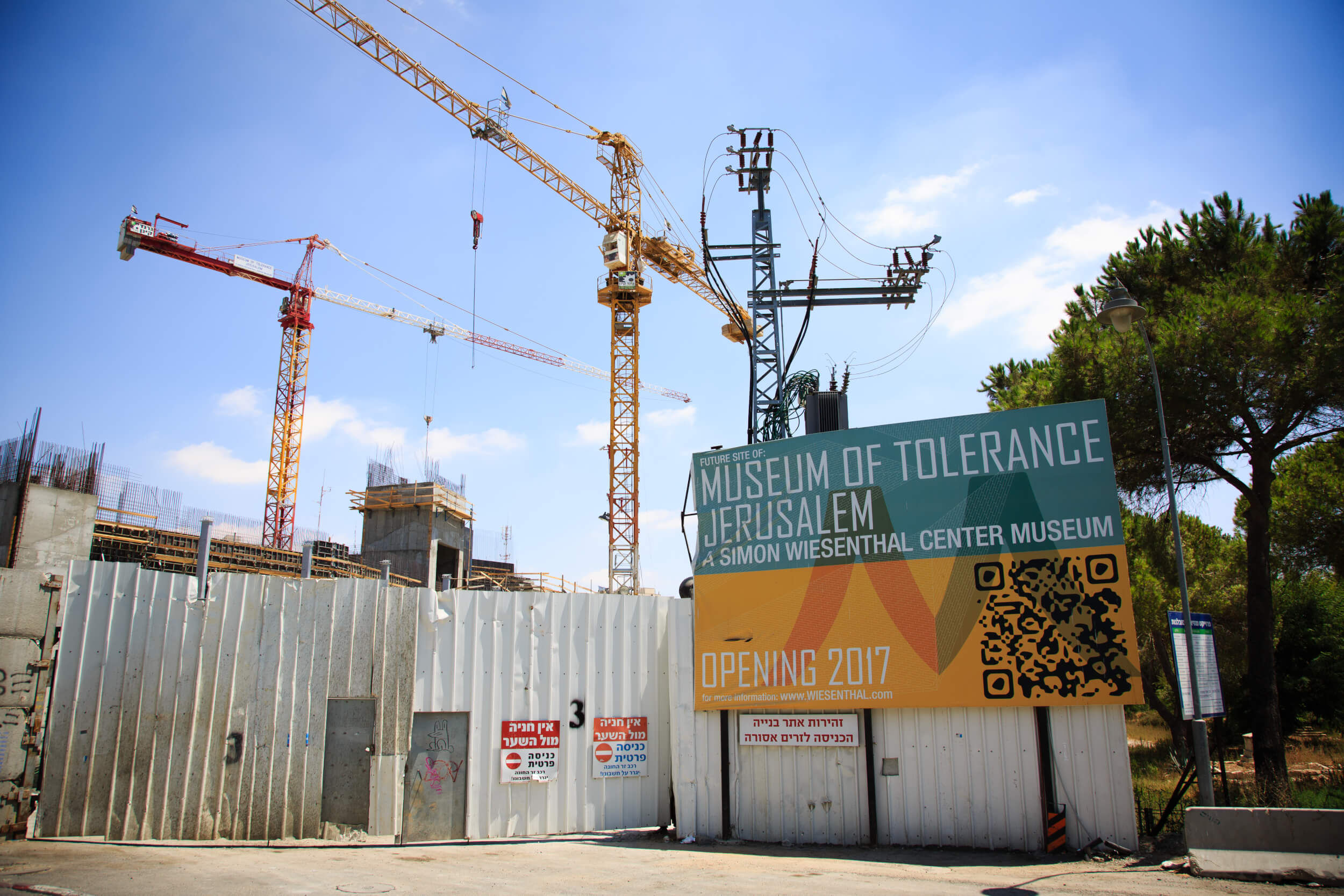

Saree Makdisi’s “Tolerance Is a Wasteland: Palestine and the Culture of Denial” shows just what a sham Israeli liberalism always was and continues to be.
The historic November 4 march in Washington DC demonstrated how the shared struggle for queer liberation and a free Palestine are more interdependent than ever.
Recent Israeli legislation around “nationalistically motivated” sex crimes must be seen in the context of Israel’s militarized regime of homonationalism, racialized and sexualized settler colonialism, and pinkwashing.

Recent attacks on Palestinian cultural centers have targeted those seeking to re-imagine and redefine Palestinian identity. The Israeli media has been more than happy to exploit the conflict.

Bill Maher tells New York Rep. Ritchie Torres that he was “incredibly gutsy” for defending Israel’s recent attacks.

More than a dozen filmmakers have honored a call by Queer Palestinians to withdraw from TLVFest, the Israeli government-partnered LGBT film festival, over its role in the Israeli government’s pinkwashing agenda.
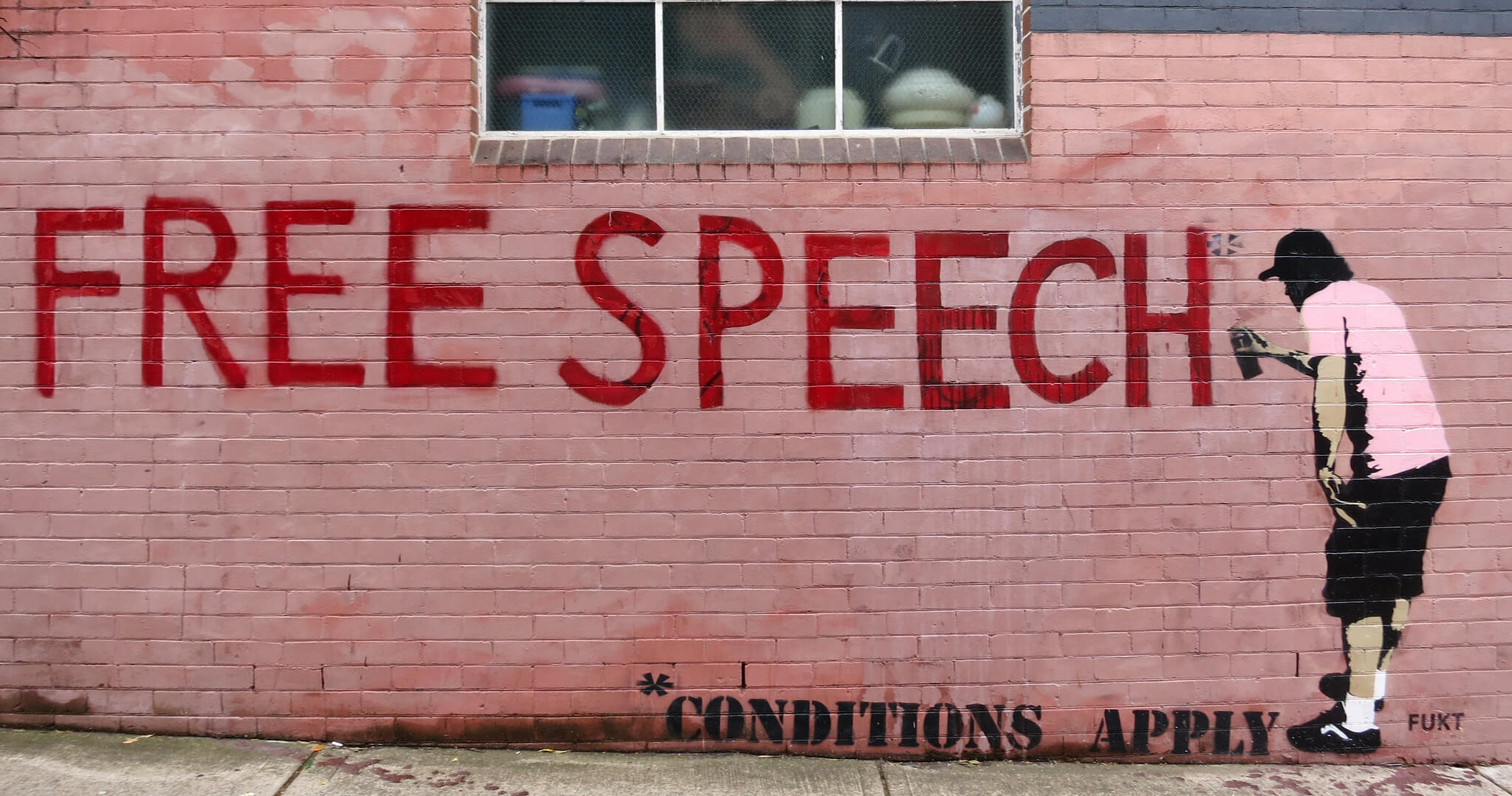
Larry Haiven shares more than two dozen recent examples of the pro-Israel lobby’s cancel culture playbook in action in Canada.

Ritchie Torres is expected to win the Democratic primary in New York’s 15 district. The openly gay, South Bronx councilman is a self-described “pro-Israel progressive” and the first post-election event he attended was the Embassy of Israel’s 5th Annual Pride Event.

“Suggesting, as the posters do, that Jews have been driven out of their land (like indigenous people) and have finally returned to Israel–a trajectory that all indigenous people should unite behind–is a crude and cynical manipulation of (Jewish) history and a vulgar fabrication that not only makes no sense, but is also offensive in its use and abuse of indigenous peoples’ histories of oppression,” writes professor Gil Hochberg.

Recent endorsements of Hillary Clinton by Madeleine Albright and Gloria Steinem brought into focus a long-standing division between powerful, privileged white women’s feminism and intersectional feminism, with its focus on the necessity of analyzing overlapping and intersecting systems of oppression. Nada Elia writes that Palestine stands at the fault line between these two understandings: “Global feminist solidarity is necessarily an anti-colonial, intersectional practice, rather than a diamond-bejeweled white fist raised towards a glass ceiling which prevents privileged women from achieving the presidency of the world’s largest hypermilitarized imperial power.”