Tag

Reviews

Browsing

A new documentary called WitchHunt points out the narrow room for debate over alleged antisemitism in the British Labour Party. Anti-Zionist Jews are excluded as unrepresentative of British Jews. And why is it okay to talk about antisemitism and Zionism in Britain without asking a Palestinian what their direct experience of Zionism has looked and felt like?

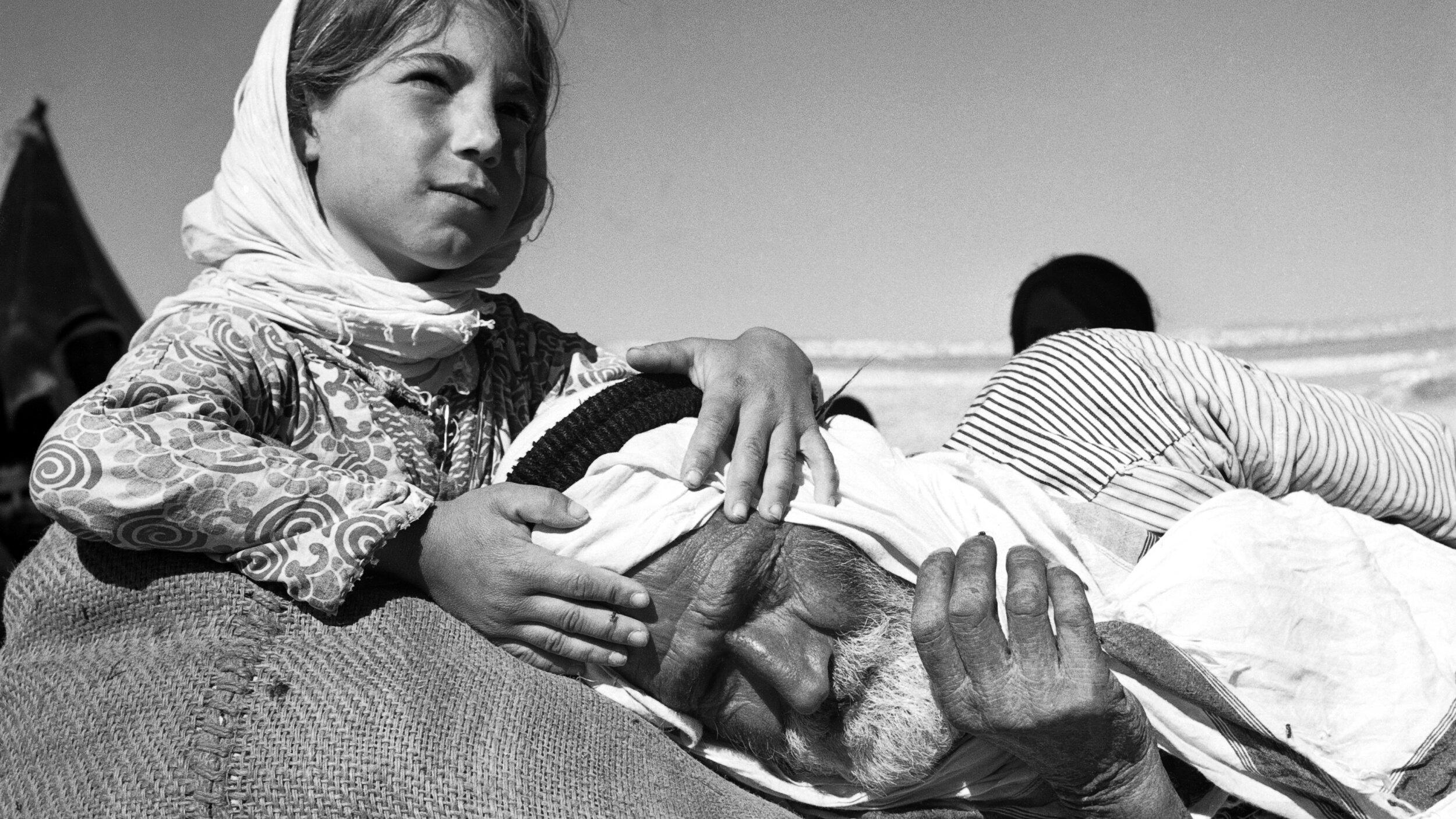
“Even a thousand films on the Nakba would not suffice,” says Ahlam Muhtaseb, co-director with Andy Trimlett of a new film, “1948: Creation & Catastrophe,” which is based in part on interviews with survivors, many of them of advanced years. The film has been subject to protests by Israel supporters, and a screening in West Hollywood was scratched under pressure in December, now rescheduled for March. Stephen Shenfield interviews the co-directors.

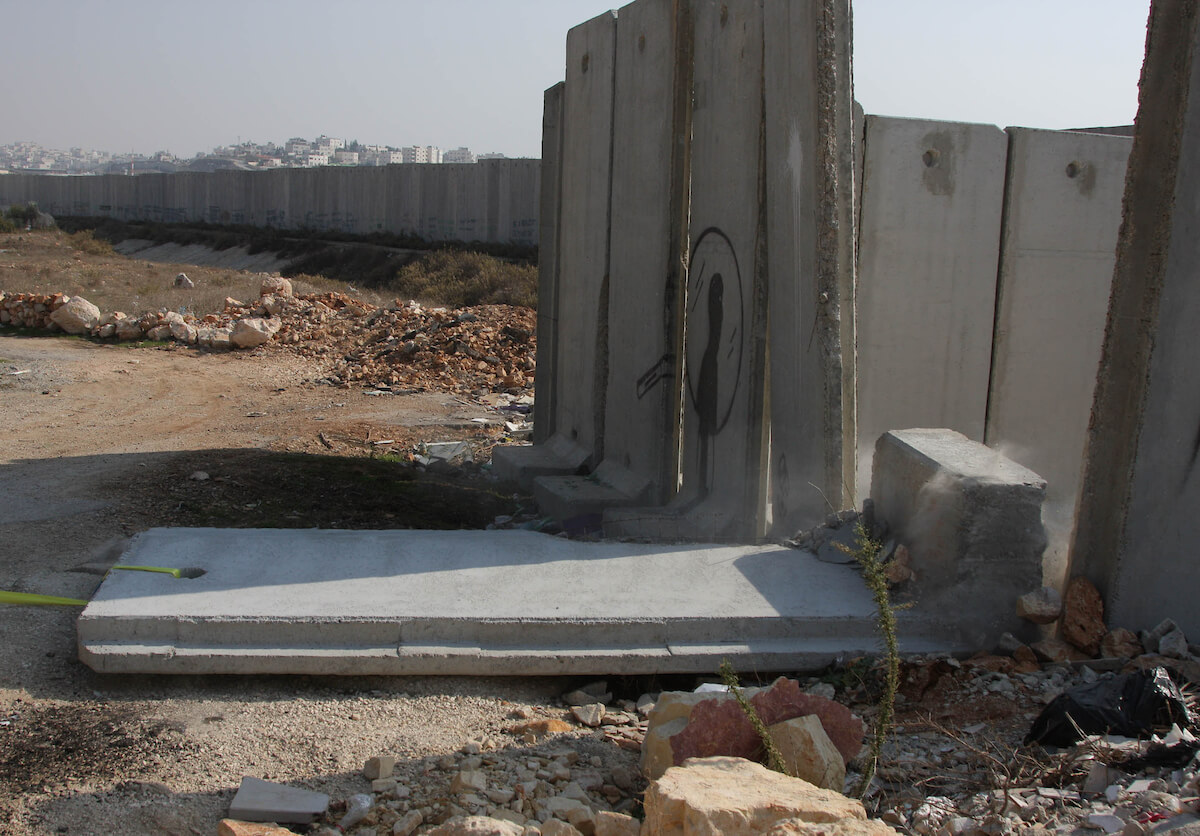
Ben White’s consistently engrossing new book, “Cracks in the Wall: Beyond Apartheid in Palestine/Israel,” argues that “The end of Israel as a bipartisan issue of concern in US politics, along with the wider left’s alienation from and the far right’s embrace of Israel” will undermine Israel’s ability to maintain the status quo. But is he right? Joel Doerfler wonders if Israel can get along without its traditional allies.

Micah Goodman’s book Catch-67: The Left, the Right, and the Legacy of the Six-Day War has been celebrated for its “pragmatism” and “realism” and topped the Israeli nonfiction best seller list for weeks while being read by Benjamin Netanyahu and many top officials involved in administering the Israeli-Palestinian conflict. But Joel Doerfler says, “the most striking thing about Goodman’s argument is the utterly conventional and largely unexamined set of historical and moral assumptions on which it is founded.”

Ilene Cohen defines ‘Ziosplaining’ as “the efforts of Zionists of so-called moderate stripe, who are endlessly pained by reality, to explain to Palestinians (and the world) that they have no choice but to support the Israeli occupation of Palestine.” She says the latest effort in the genre is Yossi Klein Halevi’s Letters to My Palestinian Neighbor. “That neighbor, by the way, is the author’s imaginary neighbor—the only one possible for such an exercise, because few and far between would be the Palestinians who wouldn’t gag at this patronizing effort to have their situation ‘explained’ to them,” Cohen writes.