Tag

Land Grab: Israeli settlements in the West Bank

Browsing

Wasan Abu-Baker pens a reflection on growing up in Palestine as a “child of the stone” dedicated to Ahed Tamimi. She recalls when her father first came home to live with the family after years in prison. Wasan was already seven: “I still remember those days when we came home from school and then going out to the field to pick the olives, then coming back home to finish our homework. After the harvest was completed we would take the olives to our family factory where the olives were pressed to make olive oil. I remember standing next to my dad to have a taste of the freshest olive oil along with my pita bread. He used to say that once you drink olive oil it becomes part of your soul. I will never forget and miss always miss the smell of olives on those days.”

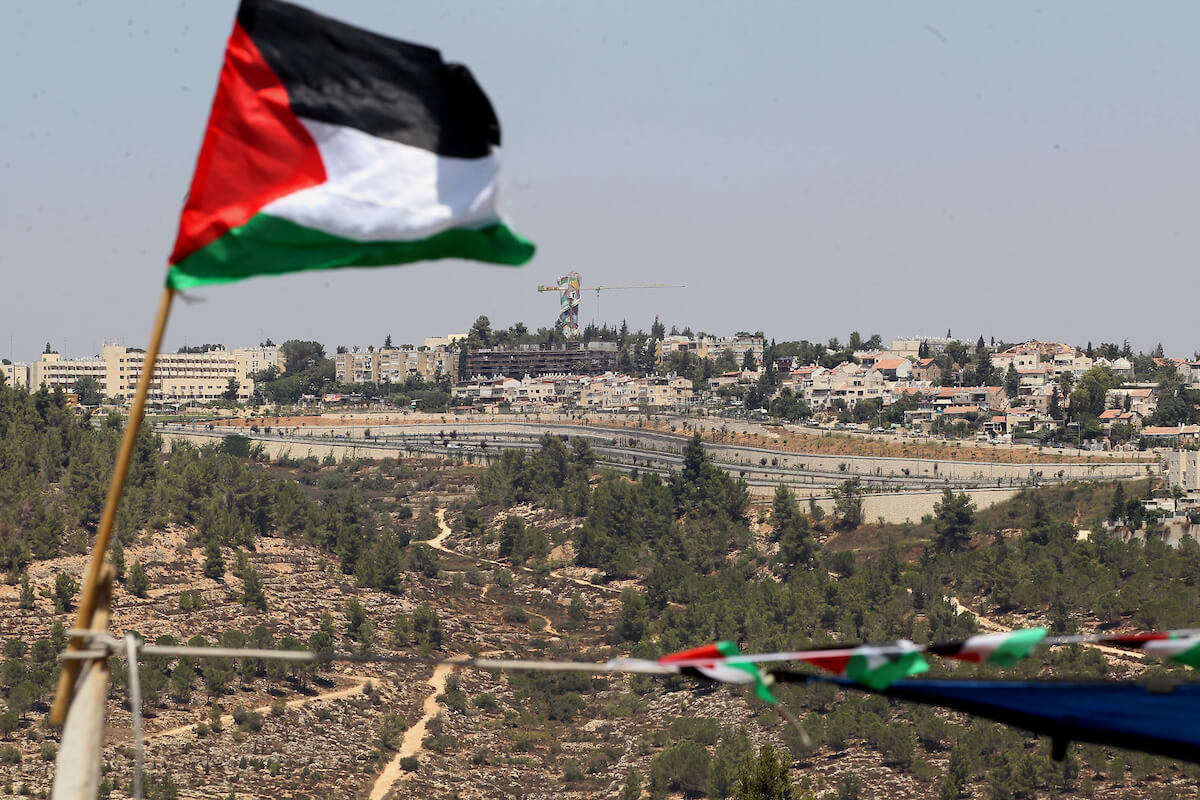
Israel’s ruling Likud party announced last Sunday a new bill that seeks to apply Israeli domestic law directly to settlements, which would de facto annex all of the illegal West Bank settlements to Israel. Whether the bill is finally passed or not, it is clear is that Israeli annexation policies will continue unstopped, as they have since the beginning of the occupation.

Richard Hardigan reports, “Murad Shteiwi and his family live in Kufr Qaddum, a small village located in the northern half of the Israeli-occupied West Bank. He is the head of the Kufr Qaddum Popular Committee and a chief protest organizer. His village is surrounded by Israeli settlements, for whose benefit much of Kufr Qaddum’s land has been confiscated. Shteiwi told the Electronic Intifada in 2011 that he estimated 58 percent of the village’s land had been appropriated by Kedumim, the closest settlement.

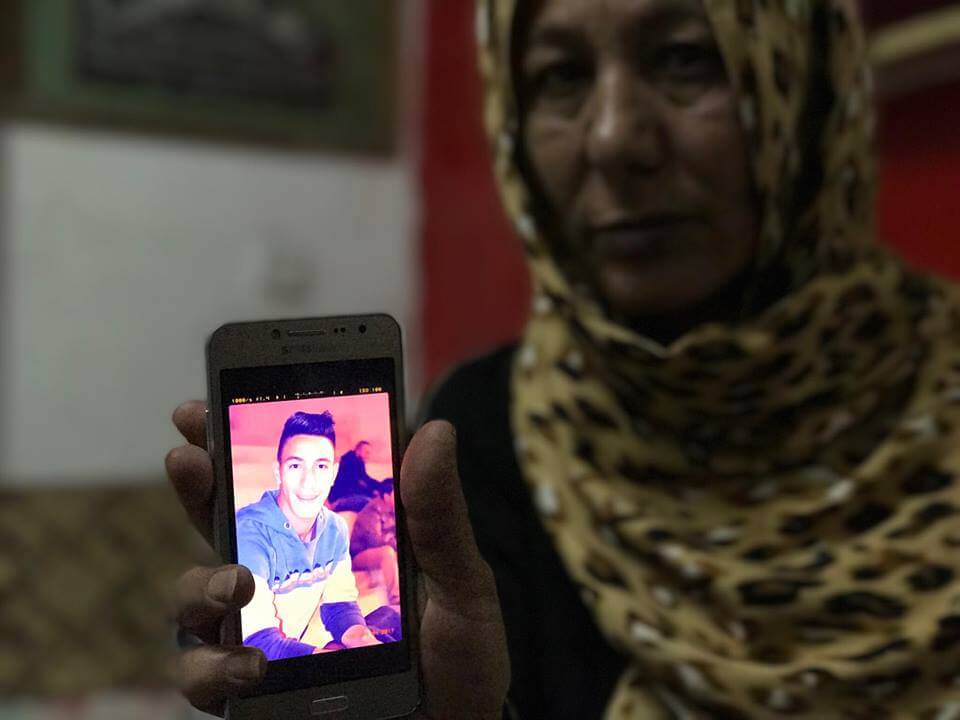
Almost one month after Israeli forces shot him seven times during a night raid in Deheisha refugee camp, 22-year-old Raed al-Salhi succumbed to his wounds on Sunday in Jerusalem’s Hadassah hospital. Israeli forces had warned Raed al-Salhi in late July that they were coming for him. “They called him and told him ‘we will shoot you in front of your mother’,” Khaled, 24, one of Raed’s four older brothers told Mondoweiss. Two weeks after the call, on August 9, 2017,  Israeli forces shot Raed in the courtyard behind his home at 4 a.m, as his mother sat inside the family’s living room just feet away.

Mersiha Gadzo talks to villagers who were expelled from towns outside of Jerusalem in 1967, where today an Israeli park and popular picnic spot is built over the rubble of the destroyed Palestinian houses, “Twelve-year-old Ahmad Ali Zaid awoke at 5 a.m. on June 6, 1967, to the sound of loudspeakers blaring outside his home, demanding that the sleeping residents of Beit Nuba village immediately leave their homes. ‘Leave your homes, leave the village. Go to Jordan; this is a military zone,’ the voice commanded as Israeli tanks rolled through. ‘Anyone who doesn’t leave will have their house demolished on top of them.’ In their pajamas, with no time to even put on shoes, residents frantically rushed outside.”

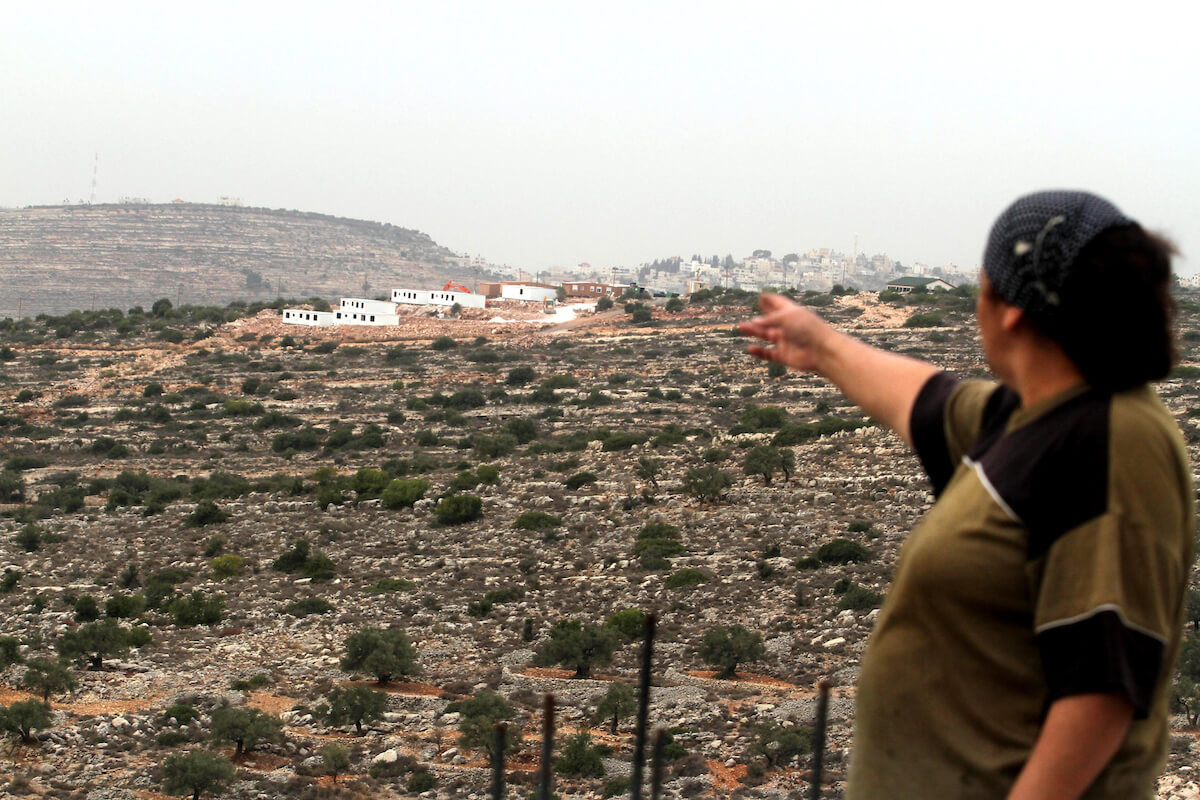
A Palestinian man stands on his property overlooking the Israeli settlement Har Homa, West Bank, February 18, 2011. (Photo: UPI/Debbie Hill)

Read an excerpt from Gershon Shafir’s latest book, “A Half Century of Occupation: Israel, Palestine, and the World’s Most Intractable Conflict,” which investigates the strategies, policies, and historical continuities that promoted Israel’s colonization of Palestinian territory. In this excerpt Shafir seeks to answer the question, why has the occupation lasted 50 years? “Israeli colonization, to paraphrase William Faulkner, is not dead; it isn’t even past. The tools of colonization, honed before 1948 to a sharp edge, and subsequently deployed within Israel’s new boundaries, were available and ready to be pressed into service in the territories newly occupied in 1967,” Shafir writes.

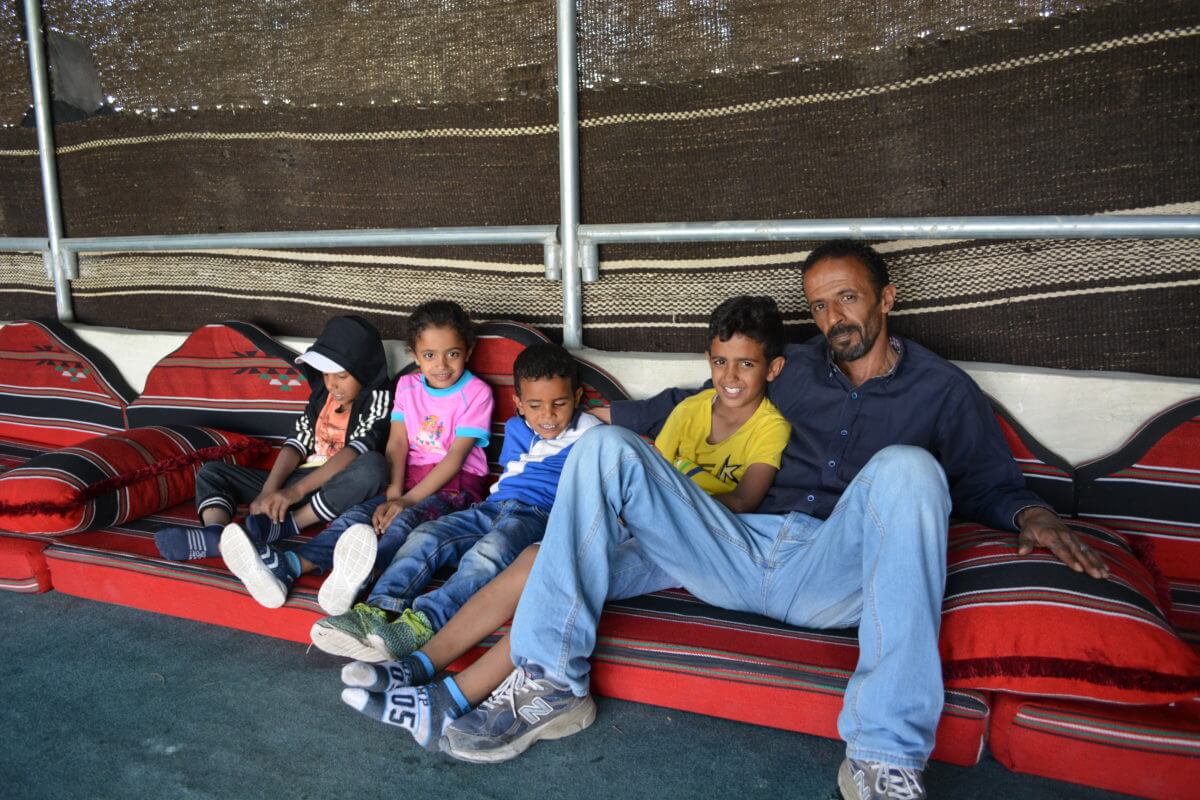
The Jahalin Bedouin in Jabal al-Baba face imminent demolition. Mersiha Gadzo reports: “Forty-two-year-old Atallah Mazara’a from the Jahalin Bedouin tribe recalls a time when residents were free to move, unhindered by concrete walls and unobtainable permits. Such a scenario today remains a distant dream, even though Jerusalem is only 2.5 miles away. Now, Bedouin communities stand in the way of the E1 zone, which would expand settlements from Ma’ale Adumim to occupied East Jerusalem.”

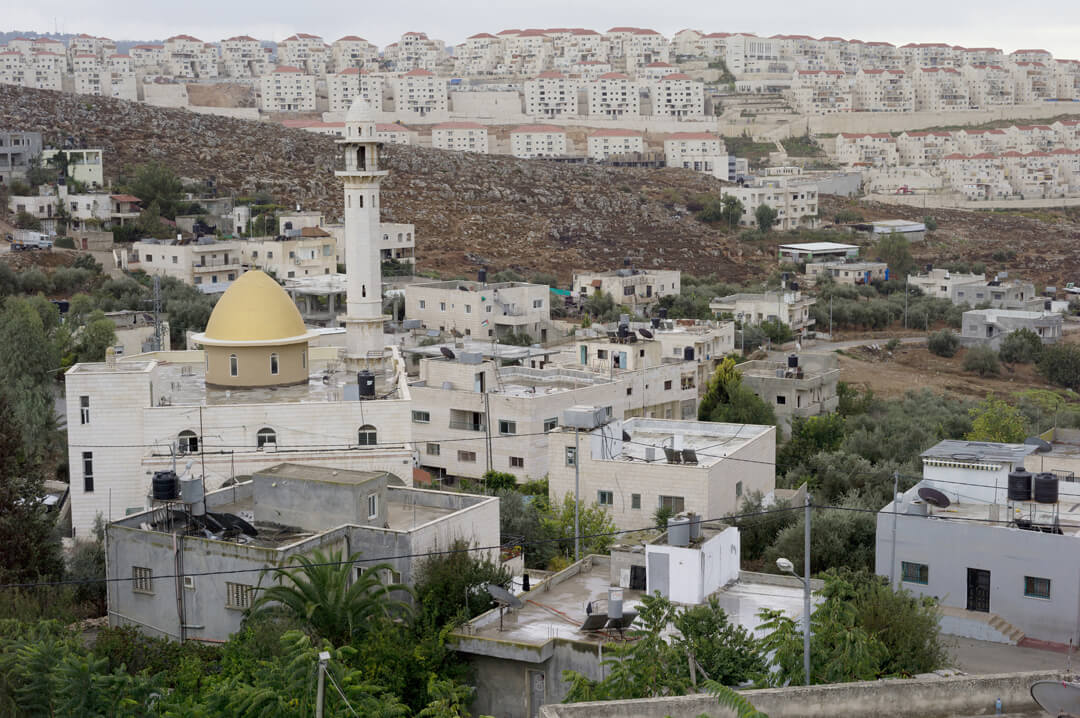
The town of Wadi Fuqin, with a population of 1,300, is dwarfed by the nearby settlement of Beitar Illit, which is home to 60,000 ultra-Orthodox Jewish Israelis. (Photo: Andrew Lichtenstein)

Yair Svorai traces the history of the settlement movement from its early planner Arthur Ruppin . . . to Donald Trump: “The expansion of Jewish settlement in Palestine has followed a consistent pattern for about 100 years: people replacement – the replacement of Palestinians by Jews. It is crucial to understand the timing of such expansion: whenever the opportunity arises. And, for Israel, Donald J. Trump is a historic opportunity on a grand scale.”

Jewish settlement in West Bank

The Israeli government on Thursday rejected a request made by U.S. President Donald Trump last month to hold back on settlement activity in the occupied West Bank with the announcement of plans to establish the first new settlement to be legally created under Israeli law at the start of construction in nearly 20 years. PLO Legislative Council member Hanan Ashrawi pointed out the irony of the Israeli government’s announcement taking place on Land Day, a Palestinian commemoration of Israel’s 1976 land grab, during which 5,000 acres of land was confiscated, six Palestinians were killed and hundreds more injured: “Forty-one years later, Israel’s policies remain unchanged as Prime Minister Benjamin Netanyahu and his extremist, racist coalition government continue to persist with their systematic policies of settler colonialism, apartheid and ethnic cleansing, showing a total and blatant disregard for Palestinian human rights, independence and dignity.”

While the White House is still formulating a new policy towards Israeli settlements, Israel’s Prime Minister Benjamin Netanyahu got out in front of the forthcoming changes by announcing his own set of rules, with differing messages aimed at the Trump administration and right-wing members of his coalition. The policy is still vague. Reportedly it will restrict where settlers can build in the West Bank, but not how many or how often, according to cabinet members who were in the meeting and spoke to Israeli media anonymously.