Obama speechwriter Sarah Hurwitz was recently lambasted on social media for claiming that horrific images of genocide in Gaza were unfairly complicating efforts to defend Israel. Somehow, Hillary Clinton has managed to outdo her.
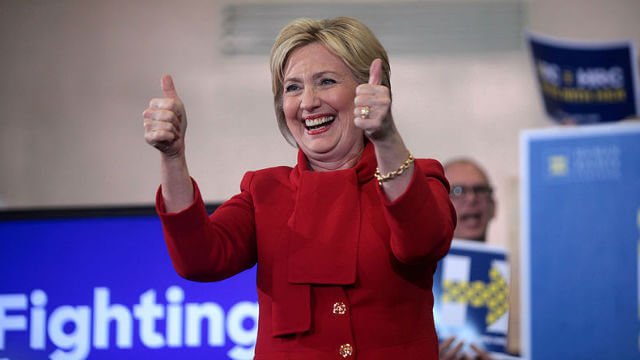

Obama speechwriter Sarah Hurwitz was recently lambasted on social media for claiming that horrific images of genocide in Gaza were unfairly complicating efforts to defend Israel. Somehow, Hillary Clinton has managed to outdo her.

The Instagram account of a well known anti-Zionist Jewish comedian was deleted after Meta’s Public Policy Director for Israel and the Jewish Diaspora viewed one of his stories. This is just one example of the anti-Palestinian bias across Big Tech.

Big Tech’s control over social media has made it a site of censorship and repression, but since October 7 it has also grown as an important tool for resistance.
For months Palestinian prisoners have shared testimonies of torture at the hands of Israeli military and prison authorities. New reports shed more light on the abuse, particularly sexual violence, carried out inside Israeli detention centers.
Francesca Albanese and Susan Abulhawa discuss the role Israel’s genocidal war on Gaza plays in the global systems of diplomacy, economics, and culture.
The backlash against Palestine in education isn’t just happening in universities. There have also been dozens of educators disciplined at primary and secondary schools across the U.S. for teaching about the Israeli attack on Gaza.
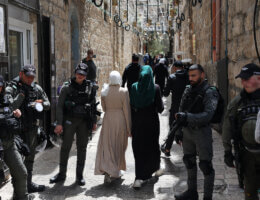
Israel’s parliament, the Knesset, passed what rights groups are calling one of the “most intrusive and draconian legislative measures” ever passed.
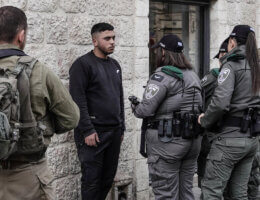
In the wake of the Hamas attack on October 7th, Palestinian Citizens of Israel and residents of occupied Jerusalem are being targeted over their social media activity. Any expressions of Palestinian identity, or support for Gaza, is getting people fired from their jobs, expelled from universities, arrested, and doxxed online by right-wing Israeli groups.
Eِِِxcluding Palestinian voices and firing journalists who want to speak out about Israeli apartheid makes the mainstream media complicit in Israel’s “system of silencing.”
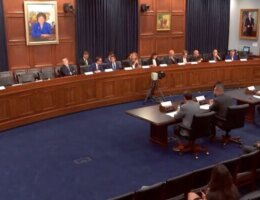
The effort to criminalize criticism of Israel is hitting new strides, including a renewed effort led by international politicians to censor anti-Zionist views online.