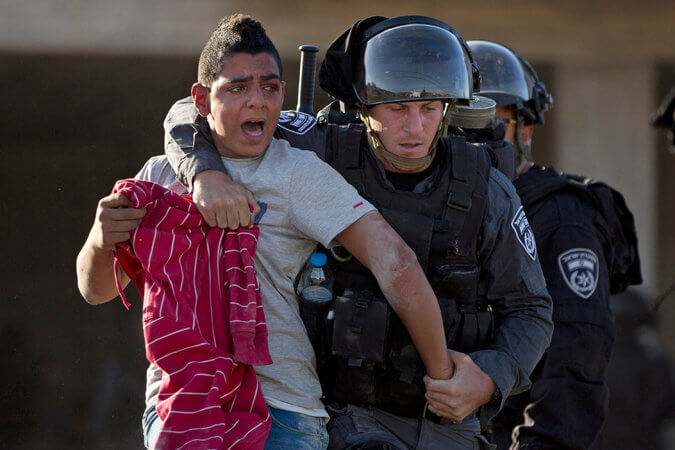
Oudeh Basharat writes in Haaretz: “Why bother looking into the circumstances of the killing of Khayr al-Din Hamdan of Kafr Kana? Just watching the police officers throwing him, like a sack of onions, onto the floor of the police car after he was mortally wounded says everything about the value of an Arab’s life. The video shows no hesitation or embarrassment on the part of the ones who took this young man’s life.”
Ma‘an reports: Israel’s deputy transportation minister Tzipi Hotovely of the Likud party toured the al-Aqsa mosque compound Tuesday morning while being escorted by Israeli police officers. Commenting on the unwanted visitor, director of the Al-Aqsa Mosque Sheikh Omar al-Kiswani told Ma‘an that “the Israeli occupation continued with its policy of imposing siege on Al-Aqsa Mosque from dawn prayer until noon time.”
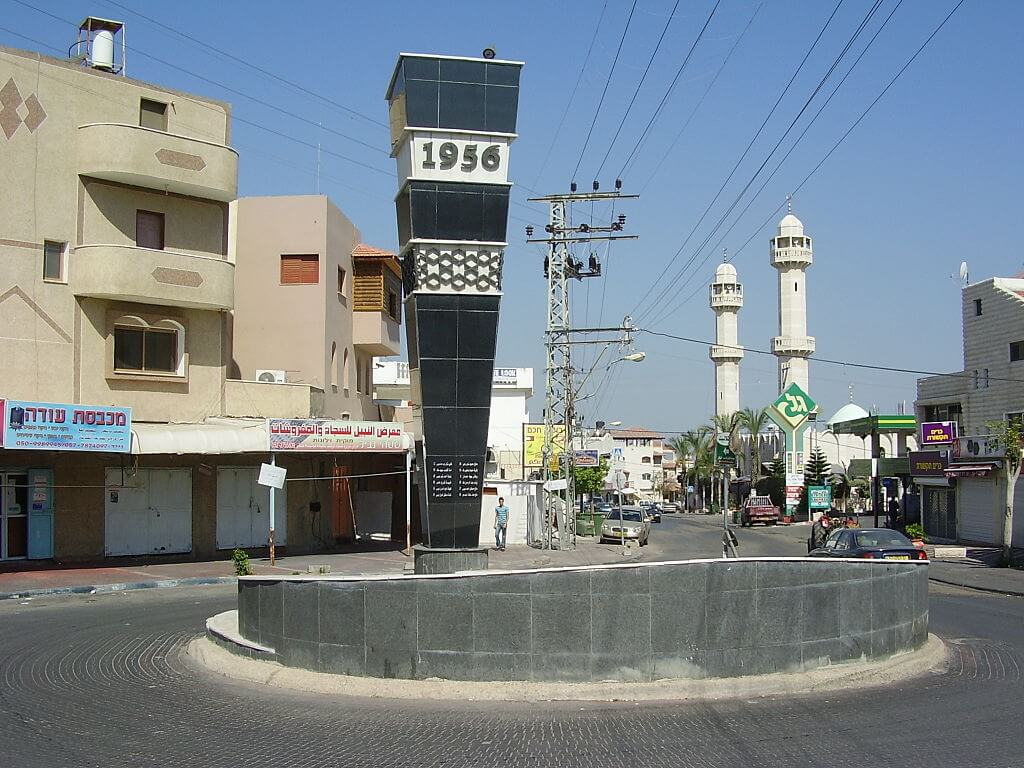
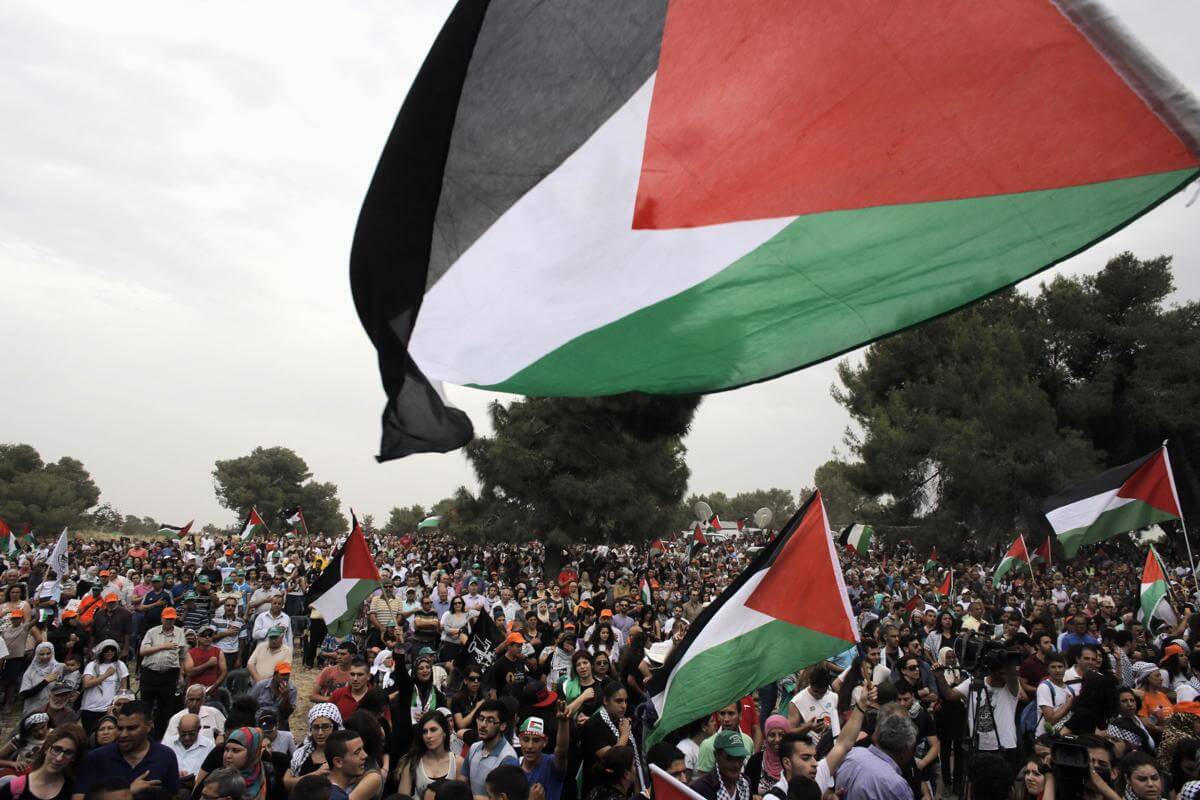
Ma‘an reports: “Thousands of Palestinians participated in a march on Wednesday in Israel commemorating the 58th anniversary of the Kafr Qasim massacre, amid a comprehensive strike across the city.”
Haaretz reports: “A plan to build the first new Arab city in Israel since the establishment of the state will come before the National Planning and Building Council for approval next week. The city, to be built adjacent to the Arab community of Jdeideh Makr, which is just east of the northern coastal city of Acre, is planned for a population of 40,000. Planning for the new city, initiated by the Israel Lands Authority, the Housing and Construction Ministry and the planning administration in the Interior Ministry, has been in the works for the past four years in fulfillment of a 2008 cabinet decision.”
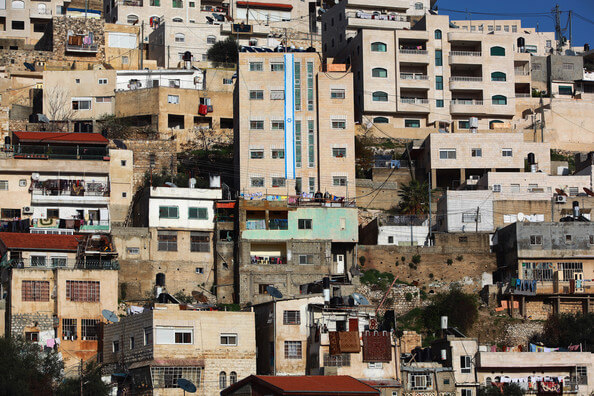
972 mag reports: “Nine Jewish Israeli families took over two empty buildings in the Palestinian neighborhood of Silwan in East Jerusalem overnight Sunday. According to the NGO Ir Amim, the families took control over 10 housing units in two buildings in the heart of Silwan. They moved in under the auspices of Ateret Cohanim, a settler organization based in the Muslim quarter of the Old City that works to create a Jewish demographic majority in East Jerusalem.”
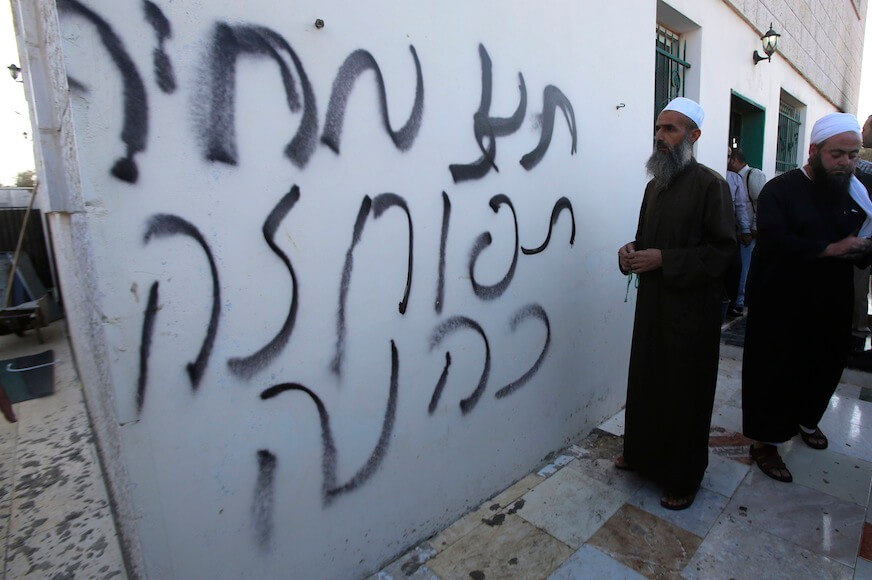
Reuters reports: “A mosque [Abu Baker al-Saddiq] was set alight in a suspected arson attack in the occupied West Bank on Tuesday and the name of an Israeli vigilante group called ‘price tag’ was found scribbled on an outside wall, Palestinian officials and witnesses said. Israeli President Reuven Rivlin condemned the incident in ‘Aqraba, a village east of Nablus, and urged Israel’s police chief to head an investigation adding that the case ‘should be treated as terrorism.'”
Ma‘an reports: A large group of Israeli settlers on Saturday morning violently beat a young Palestinian woman while she was picking olives from trees in an orchard in the village of Yasuf in the Salfit district in the central West Bank, a Palestinian official said.
Ma’an reports, “Israeli settlers early Tuesday occupied 23 houses in the Palestinian neighborhood of Silwan south of the Old City of Jerusalem, a local information center said.”
Haaretz reports: “Agriculture Minister Yair Shamir said during a visit to the south on Sunday that he was examining ways to lower the birthrate of the Bedouin community. Shamir heads the ministerial committee on Bedouin resettlement arrangements. “We have to take all the Bedouin and get them out of the desert a bit and bring them closer to a normal state from the perspective of legislation, life expectancy, education and livelihood,” Shamir said. “Perhaps we could even deal with the phenomenon of multiple wives to reduce the birthrate and raise the standard of living.”
Middle East Monitor reports: “Along one of the roads in the city of Ariha in the north of the occupied West Bank, merchants Khaldoun and Hassan regularly receive 30 tons of dates produced in the neighbouring Israeli agricultural settlements, in preparation for their transfer to one of the packaging factories built on the outskirts of the city, Anadolu news agency reported. Inside the factory, about 13 miners are working on “screening” the dates and repackaging them in bags that read “dates of the Holy Land” in both Arabic and English and “Made in Palestine” in order to market them locally, in the Arab states and in Europe.”