From Tony Kushner’s Afterword to his play Homebody/Kabul, written April 11, 2002:
The following speech used to be in the third act…
Cain was marked, and so they drove him out, everywhere he tried to rest, they drove him away. Only Kabul did not. He was an extremely old man when he arrived, many years older than a thousand years old. Anyone could see that it was past time, that he was done for, that he could no longer hurt anyone. His heart was worn out with regretting, after so many centuries of remorse, it must have been. He most likely felt nothing at all by the time he arrived here, an animal looking for a soft bed of leaves, some place out of the night wind. And this has always been a hospitable city, welcoming of strangers, a good host to the weary traveler.
But still it was a great mistake. Letting him stop here, burying him here. A great mistake.
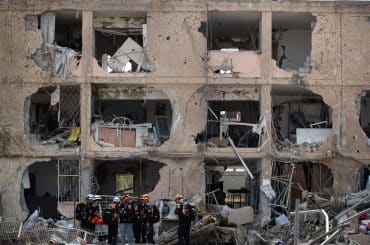
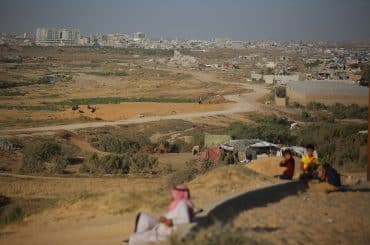
They should have driven him away.I was moved by the fact that the city of Kabul was Cain’s resting place. In the play I suggest that he was, perhaps, murdered there. Over the centuries, so many people have died in Kabul, in Afghanistan, the number of the slain in the last four decades perhaps exceeding all those who had fallen in all the centuries before. Cain was marked not as a sign of the evil he committed when he murdered his brother; but as a protection: God warned the human race to leave the murderer unharmed. He who killed Cain would be punished sevenfold. Did Cain die violently in Kabul? Is the city in some sense cursed? What is the genesis of evil, how far back does one have to go to find it? Isn’t the abandonment of the futile and fatal search for lost causes one place at which a distinction can begin to be made between justice and revenge?