Secretary of State Rex Tillerson says the Iran deal was “failed approach” the same day we learn Sheldon Adelson gave $5 million to Donald Trump’s inauguration ceremony.
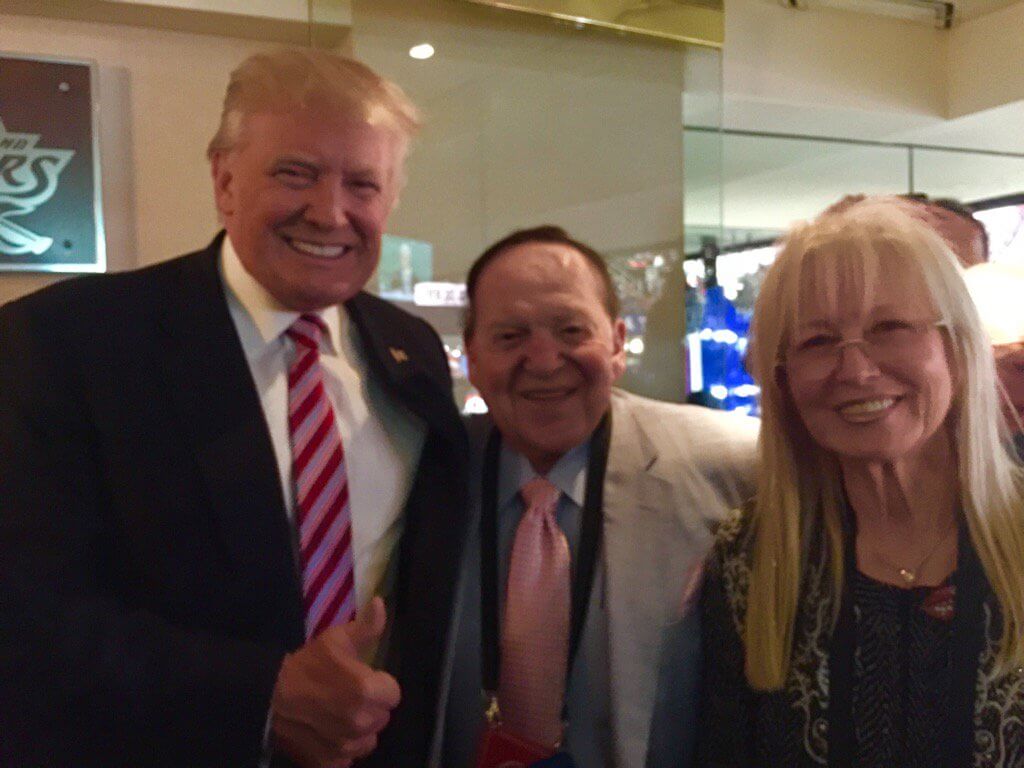

Secretary of State Rex Tillerson says the Iran deal was “failed approach” the same day we learn Sheldon Adelson gave $5 million to Donald Trump’s inauguration ceremony.
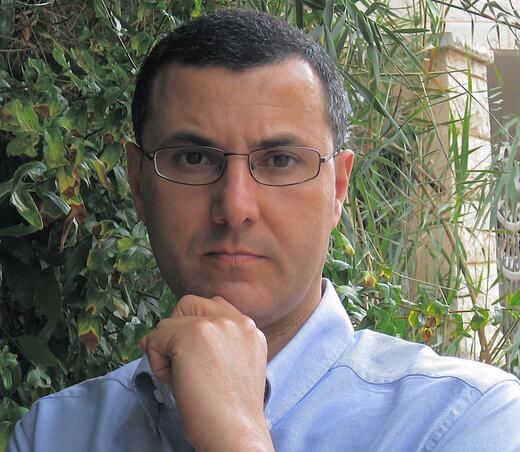
Omar Barghouti, a leader of the BDS movement, will travel to New Haven Sunday April 23 to receive a Gandhi peace award. The trip was in doubt because Barghouti was under a travel ban. A judge suspended that ban to allow him to come.

Amith Gupta writes a double standard was at play when the New York Times decided to amend an op-ed written by imprisoned Palestinian Marwan Barghouti by adding in his conviction when the crimes and biases of other contributors are defended or ignored, “While the New York Times decided to poison the well for Marwan Barghouti, it has taken the opposite position in disclosing the backgrounds of many of its pro-Israel commentators. In 2014, the New York Times public editor Margaret Sullivan responded to concerns about the Times’ failure to disclose that one of its contract writers, Isabel Kershner, was married to pro-Israel lobbyist Hirsh Goodman when the former wrote extensive puff pieces sanitizing Israel. Omitted from the response was the additional fact that Kershner’s son was actively serving in the Israeli army during its 2014 Gaza massacre. But according to the public editor, such background details about a writer of the Times’ primary coverage–rather than its opinion pieces–was ‘unnecessary.'”

An Najah National University professor Raed Nairat tells Isra Namy said that Hamas hopes to alleviate its regional isolation and open new doors with the West and other neighboring Arab countries with its new charter: “The new document plays down the relations with the Hamas parent base, the Muslim Brotherhood, in an attempt to detach itself from this organization that is in hot water after the dramatic changes in Egypt and Tunisia, and the obvious hatred of the oil-rich Arab Emirates,” Nairat says. “Hamas looks forward to trying new ways to mend relations with Egypt and the Gulf States since they can assist Hamas to confront its grave and stubborn crisis in the Gaza Strip where Hamas rules.”

Three years ago Palestinian soccer players Adam Jamous and Jawahar Halbiyeh were attacked by Israeli forces on their way home from practice in occupied Jerusalem. Both players were shot in their legs, Jawahar 10 times and Adam three times, ending their playing careers. Today, as FIFA considers the future of Israeli teams based in illegal West Bank settlements, the ex-players say the future of Israeli teams is less important than the rights of Palestinians: “Let them keep the settlement teams, but stop Israel from holding our players for hours at checkpoints, imprisoning and shooting us. By the time we were 17, which is when a player is really preparing to go professional, at least 50 percent of our team had been arrested by Israeli forces.”

The crazy response to the Marwan Barghouti op-ed in the New York Times — Michael Oren called it a “journalistic terror attack” — reflects a growing insecurity on the part of Israel’s leaders about the country’s reputation.

Haifa Khalidi remembers the destruction of the Mughrabi Quarter in Jerusalem, June 11-12, 1967. “Two days and two night. I remember the noise, the dust, the screams, the tears. The residents had two hours to collect their belongings and leave their houses forever.”
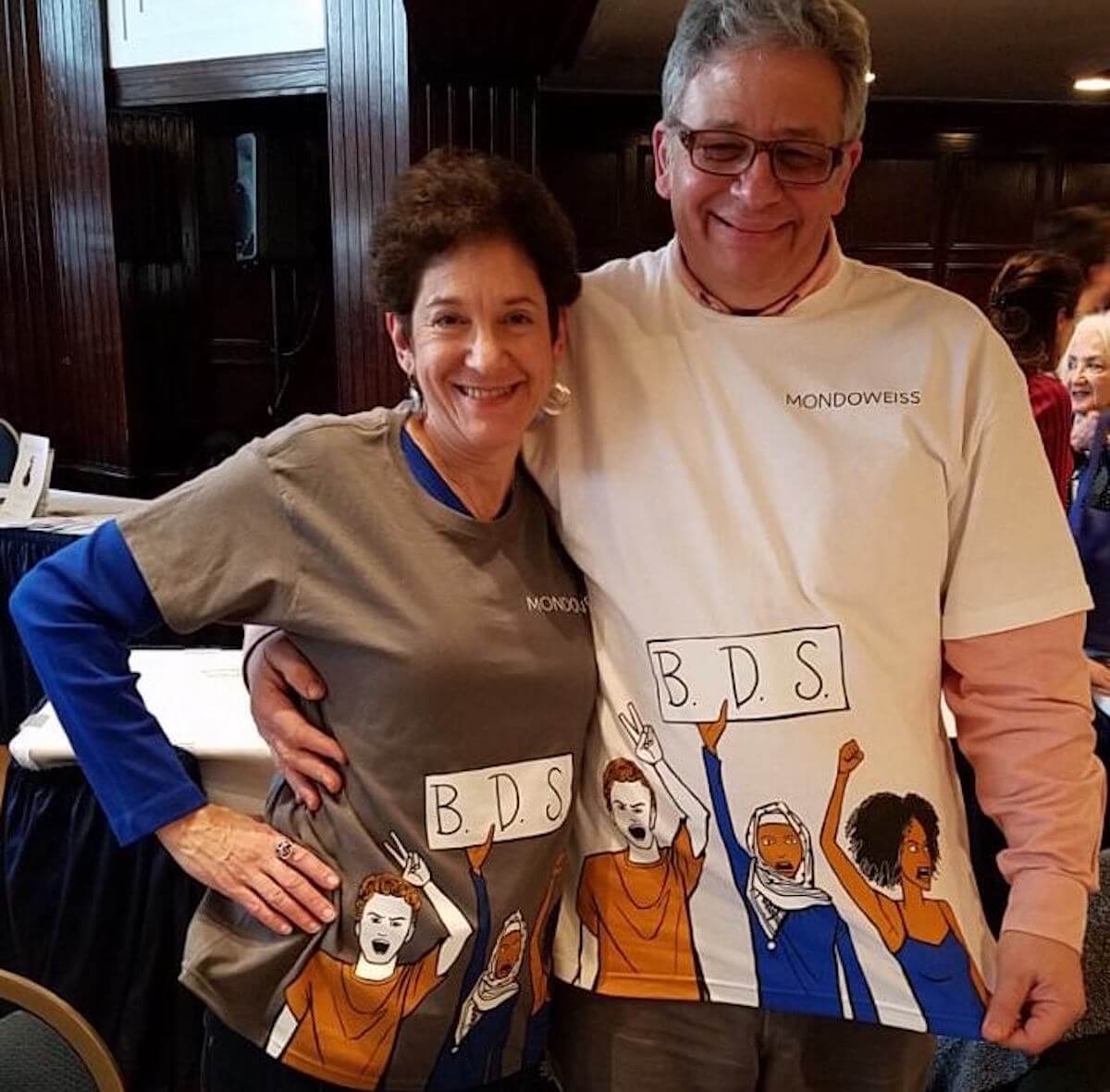
Finally, you can let everyone know you are a Mondoweiss reader no matter where you go! Check out the two new Mondoweiss t-shirts: Show your support for the Boycott, Divestment and Sanctions movement with a t-shirt featuring an exclusive illustration from Katie Miranda or keep it simple with a stylish navy blue t-shirt featuring our logo and tagline. Either way you will be letting people know you support the movement for Palestinian rights and appreciate news and analysis unavailable through the mainstream media.
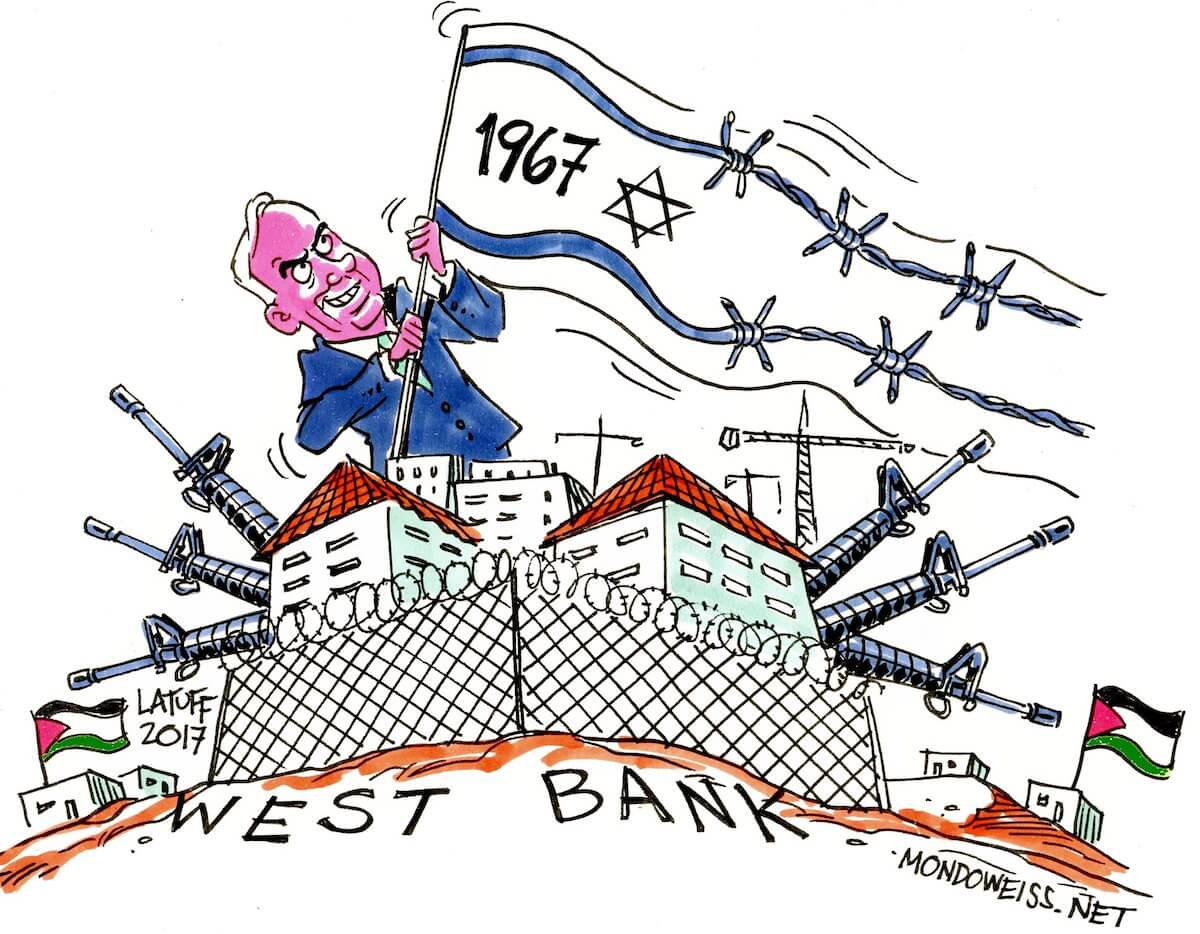
Israel is to hold lavish celebrations over the coming weeks to mark the 50th anniversary of what it calls the “liberation of Judea, Samaria and the Golan Heights” – or what the rest of us describe as the birth of the occupation. Israel’s imminent celebrations should lay to rest any confusion that the occupation is still considered temporary.

Taher Herzallah and Kareem El-Hosseiny will come before Superior Court judge Marisa Demeo on Thursday, April 20th to hear potential motions regarding their disruption of David Friedman’s nomination hearing to become US ambassador to Israel. Nadya Raja Tannous interviews them on the eve of the hearing about their case, why they didn’t take a plea deal, and whether they would do it again. “While we are allowed traditional ways to state our views we still were not heard. Sometimes the only way to have a voice is by literally speaking out,” Herzallah explains.