Archive

August 2017

Browsing

Rima Najjar: “I don’t know what it means to be Palestinian Jordanian, which is how I began my life, nor do I really understand what it means to be Palestinian American, which is my current status. But I know in my bones what it is to be Palestinian.”

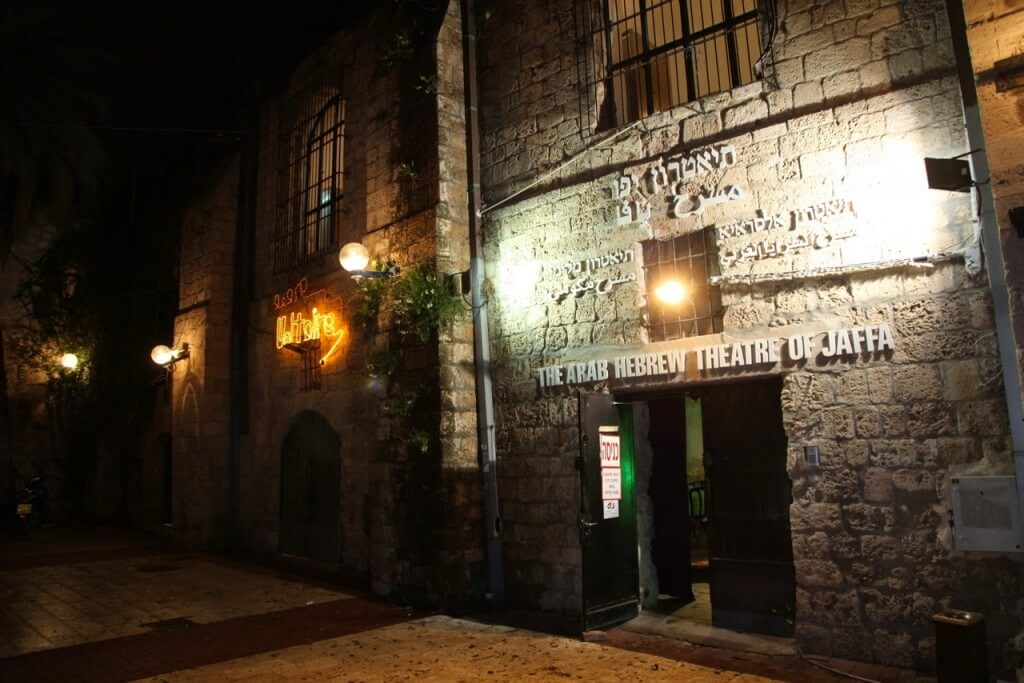
In retaliation for an upcoming event planned in solidarity with Palestinian poet Dareen Tabour, the Israeli Ministry of Culture has requested the Treasury to examine whether Yaffa’s (Jaffa) “Arab-Hebrew Theater” has violated the Nakba Law. Yoav Haifawi writes, “The common knowledge in Israel is that even as Palestinians are persecuted for anything or nothing, the freedom of expression for the Jewish population was more or less secure. Now the event in Yaffa may become a test case of the new laws and the old assumptions.”

Kim Jensen writes: Why do critics of cultural boycotts insist on framing them as a form of censorship, rather than as an invitation to imagine and enact more principled forms of engagement? Are cultural and academic boycotts an effective strategy when some artists and allies may be marginalized in the process? These are the kinds of questions that are explored in a useful new collection of essays, “Assuming Boycott: Resistance, Agency, and Cultural Production,” which offers a rich and lively analysis of historical and present-day boycotts and the ethical, political, and practical issues they raise.

Israel is “always in a state of war,” and that’s why the people elect generals, the late rightwing political guru Arthur Finkelstein said in 2011. Famed for cynical, negative campaigning, Finkelstein foresaw the rise of Trump on a wave of intolerance and said his own work was based on voters’ ignorance and not on his boyhood principles of freedom. “I wanted to change the world, and I did; I made it worse.”

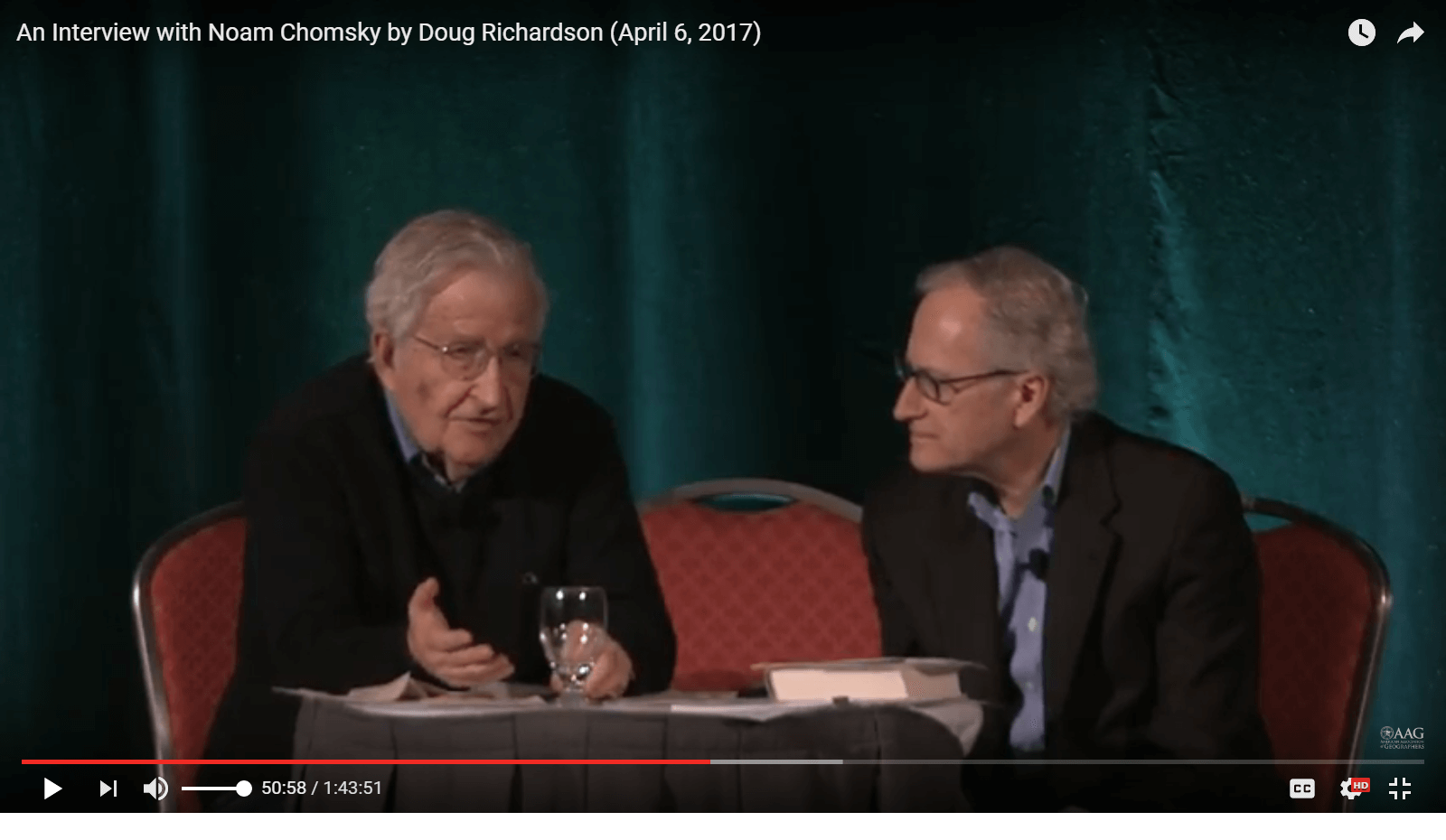
Noam Chomsky has said something that even Israeli officials haven’t – that Israel would use nuclear weapons to avert the Palestinian right of return. He refers to the “hishtaganu” policy of Israeli leaders, the threat to go crazy, which they have used to intimidate possible opponents. He is invoking that tactic to support boycott of only the settlements, and to question international law regarding refugees.

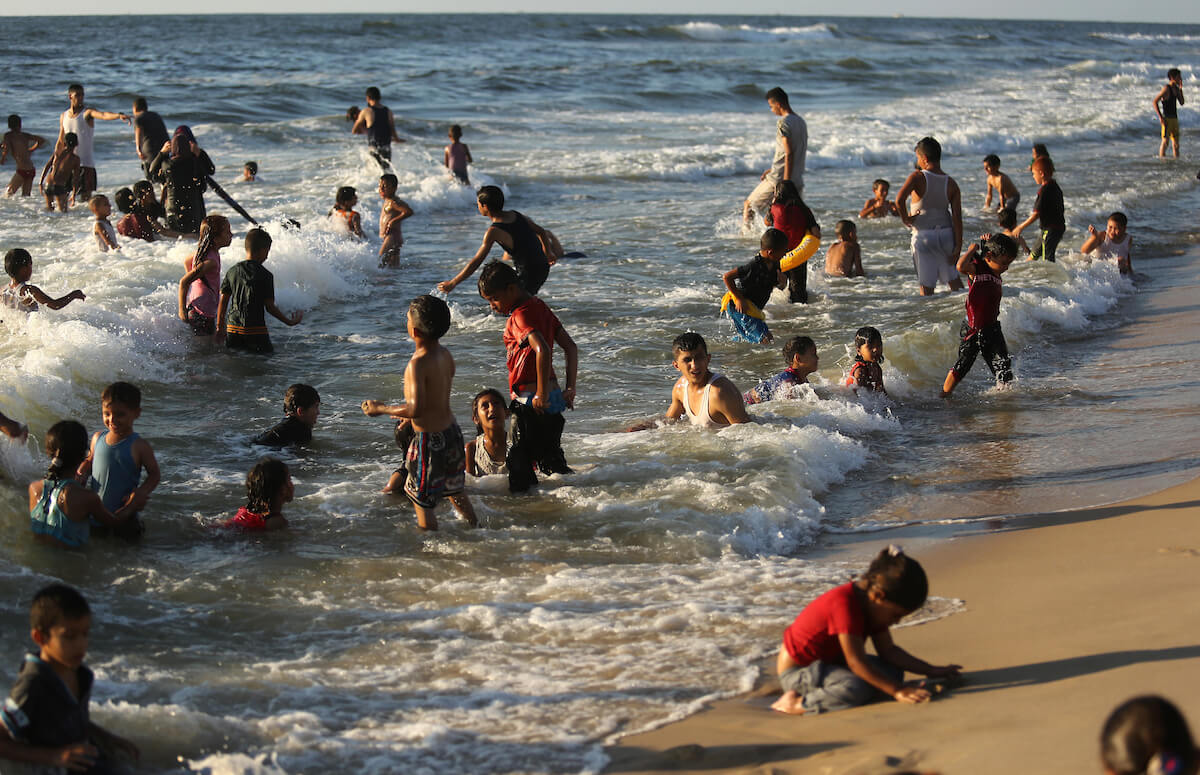
“My brothers and some relatives joined us on the beach on Wednesday, 19 July 2017. Our children swam in the sea and played on the beach,” said Salim Al-Sayis, “After we returned home, some of my family members started feeling very sick—at around 2:00 am. Mohammed spent the night either vomiting or sleeping. When I tried to wake him up at 8 am on Friday, 21 July 2017, he did not respond. I immediately took him to Al Dorra Pediatrics Hospital in eastern Gaza City, and siblings and relatives who felt unusual fatigue came along with us. When we arrived at the hospital, Mohammed fell into a coma, while the doctors were taking a CT scan. Then, his health deteriorated drastically and he was placed in the intensive care unit. On Sunday, 23 July 2017, he was transferred to Al Rantisi Pediatrics Hospital in Gaza City, where he received another CT scan. Doctors confirmed that he was suffering from Ekiri syndrome, which results in brain edema.”

In a breakthrough, the Forward runs Naomi Dann’s piece saying that Zionism is racist. While Forward editor Jane Eisner promptly denounced the article as untrue, the debate in the liberal newspaper is a sign that the U.S. Jewish monolith in favor of Israel is crumbling, and open debate about how safe Jews are in the west, and how unsafe Zionism has made Palestinians, has begun.