Archive

October 2017

Browsing

Maimas is a newly formed band based in the besieged Gaza Strip. Palestinian activist, singer and intellectual Haidar Eid says “songs are an organizing tool in the arduous work of overthrowing occupation and apartheid. We hope that our songs will document the Palestinian desire to be free from the ravages of colonialism.” The band is currently raising money to record their first album.

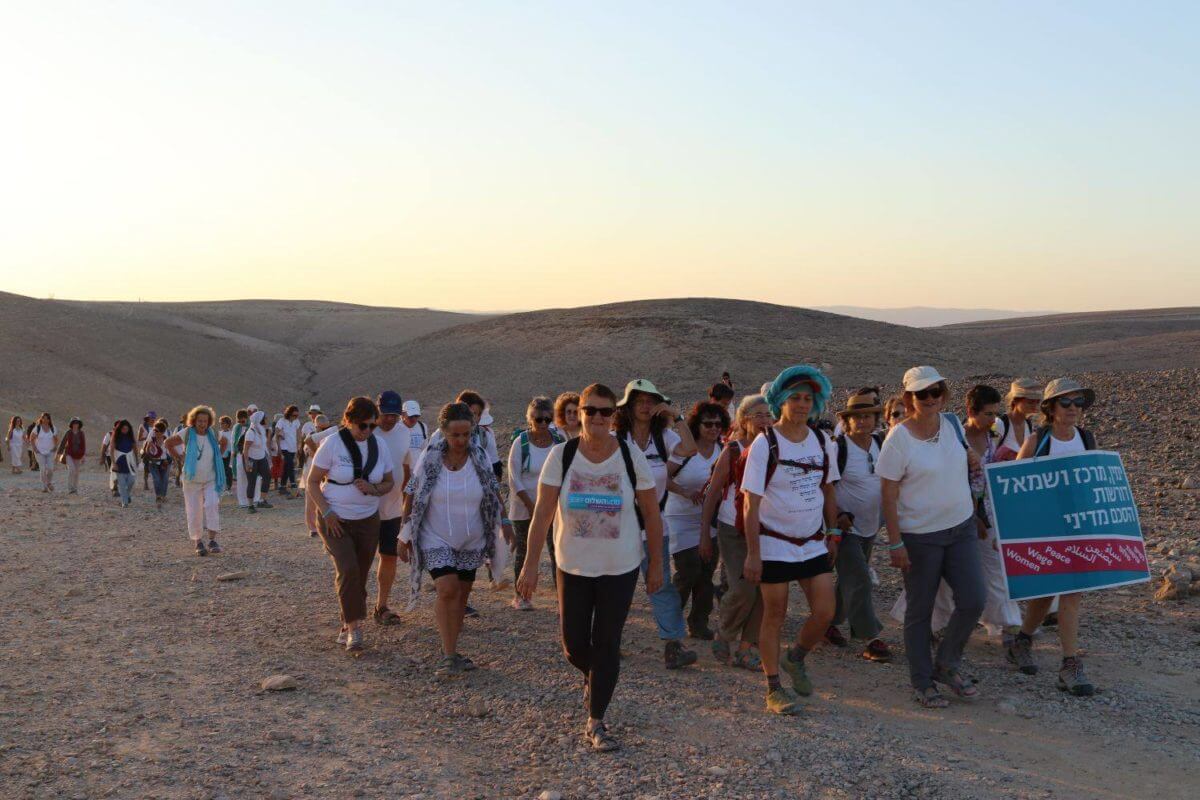
Jonathan Ofir criticizes the recent Women Wage Peace march for avoiding politics and refusing to take the occupation on directly: “when the party is over, the Palestinians go to their Bantustans, and the ‘moderate settler women’ drive on their Jewish-only roads to get to their settlements. If only the Arabs could somehow accept this as ‘peace’, then all would be well.”

Follow the Women was founded in 2004, and this year 120 women from the United States, England, Iran, Italy, Jordan, China, Japan, Poland, Turkey, Palestine, Syria, Lebanon, France, Germany, Belgium and Cyprus biked all over Lebanon visiting Syrian and Palestinian refugee camps, not-for-profit foundations, former prison camps, cafes, schools and even a micro-brewery and soap factory.

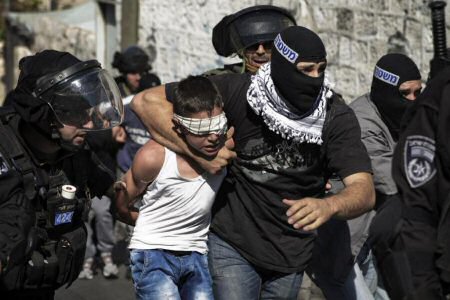
Artist Katie Miranda shares more images from her visit to the West Bank. They highlight surveillance and the indignities of daily life for Palestinians. She writes: “No blood or high drama, so it’s nothing ‘newsworthy.’ It’s just everyday life.”

The 100th anniversary of the Balfour Declaration has set the stage for some long overdue historical truth-telling. On November 11 in Cambridge, MA, two dozen speakers will examine how the Zionist project was implemented in historic Palestine, and consider its long-term consequences for Palestinians, world Jewry, the United States, the United Nations and international law during the all-day conference: ‘Balfour’s Legacy: Confronting the Consequences.’   

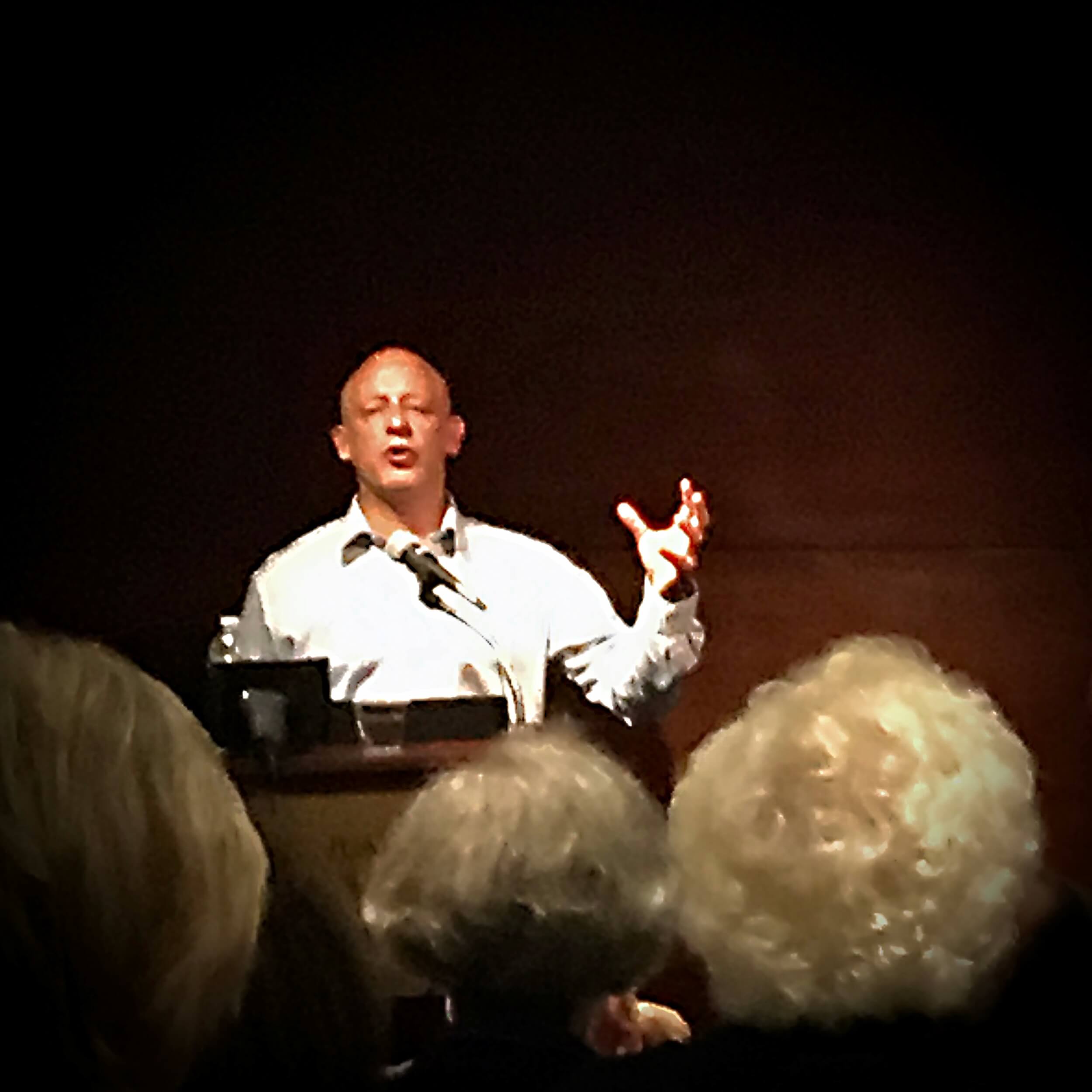
Taking on the Jenin Freedom Theatre’s staging in New York of a dramatized episode in the Second Intifada, the siege of the Church of the Nativity in Bethlehem, NYU’s Taub Center for Israel Studies screened a PBS documentary featuring Israeli colonel Lior Lotan, the chief Israeli negotiator during the siege. And Lotan followed the screening with an hour-long elaboration of events that often felt hackneyed and stale.

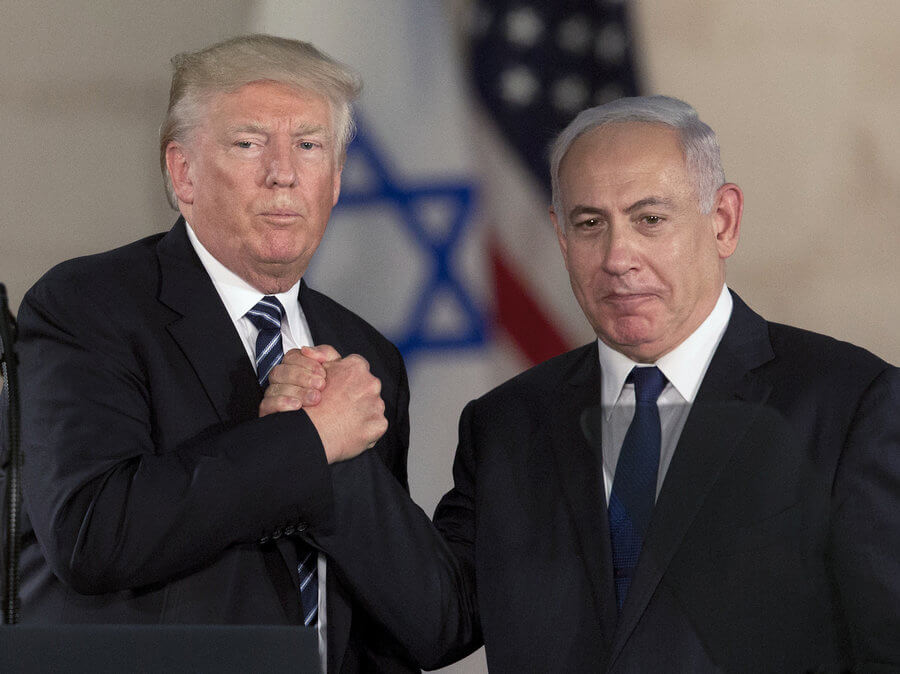
Trump and Netanyahu

Trump’s confected indignation at Unesco, and his shrugging off of its vital global programs, serve as a reminder that the US is not an “honest broker” of a Middle East peace. Rather it is the biggest obstacle to its realization.