After an 11-month walk to the Palestine border, Swedish activist Benjamin Ladraa was denied entry by Israel. One reason cited was that he would visit the occupied village of Nabi Saleh, which has been resisting Israeli forces.


After an 11-month walk to the Palestine border, Swedish activist Benjamin Ladraa was denied entry by Israel. One reason cited was that he would visit the occupied village of Nabi Saleh, which has been resisting Israeli forces.

Israel’s resort to any force against Gaza demonstrators cannot be legally justified, despite efforts by Sari Bashi of Human Rights Watch. If Israel wants to protect its border, it must lift its siege of Gaza, Norman Finkelstein explains. Its refusal to take this preliminary peaceful step puts it in double breach of international law: imposition of an illegal blockade and unlawful resort to armed force when peaceful means have not been exhausted.

In response to a call for solidarity from Gazan women, a Jewish activist group dubbed “Return” gathered to hold a memorial for Razan Al Najar, at the location of her village of origin, Salama. “Razan did not see Salama, but she and all the refugees who are not present here physically are always present here with us, as a void an absence, something that is missing here until their inevitable return,” stated one of the activists.

As part of the Great March of Return activities in besieged Gaza, a group of human rights and right of return activists have released a video, titled “Bella Ciao,” using the famous anti-fascist Italian song set against images from the current March of Return in Gaza against Israel’s long reign of colonialism and apartheid. Ahmed Abu Rtema, one the organizers of the March, stated that “art has always played a major role in enhancing the spirit of resistance in countries suffering from apartheid and colonialism. Palestine is no exception.”

Ilise Benshushan Cohen writes an open letter, on behalf of The Jews of Color, Sephardi and Mizrahi Caucus, to the organization Bend the Arc on its willingness to criticize the Trump Administration but refusal to criticize Israel for very similar practices.
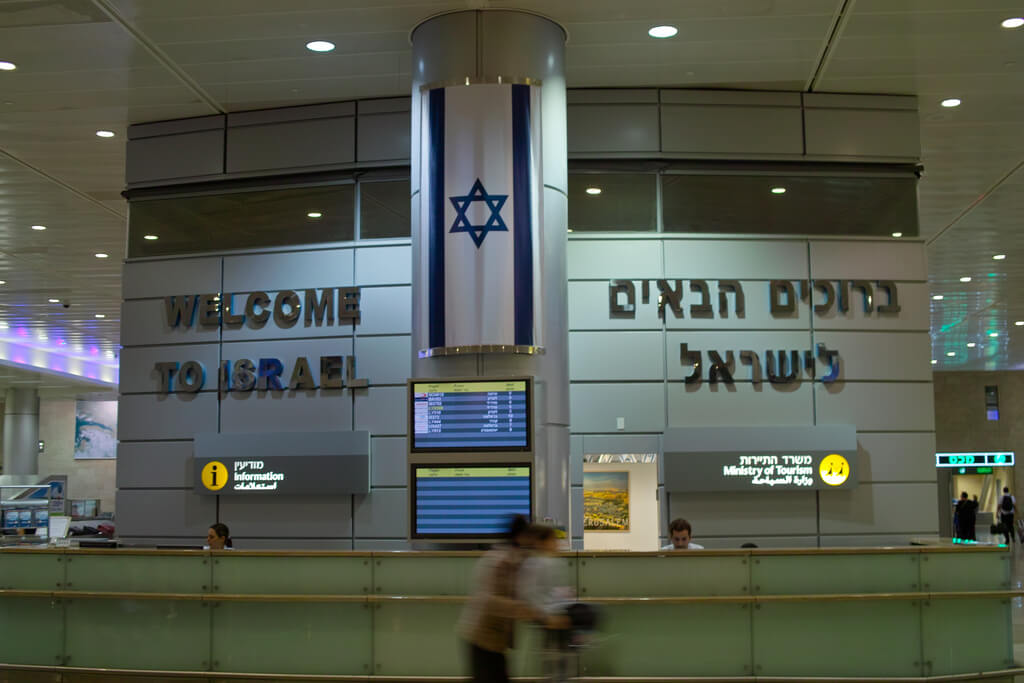
In the past few days, two incidents involving Jewish individuals’ experiences in Israel made the news in progressive Palestine rights circles. The first is that of the young women walking away from a Birthright tour to visit parts of Palestine that were not on the itinerary, and the second is the case of Code Pink national organizer Ariel Gold, who was denied entry into Israel, even though she had obtained a student visa for a summer course at the Hebrew University. While it can be argued that in both cases, the activists meant no harm to Palestinians, Nada Elia writes that the incidents nevertheless reflect the ongoing normalization of Zionism. “In light of Israel’s open embrace of Jewish supremacy,” Elia writes, “it is incumbent on progressive Jews who want to challenge Israel’s racism today that they stop taking advantage of their unearned privilege.”

Last week, Isaac Herzog, the outgoing Labor leader and newly elected head of the Jewish…

The nightmare that Khan al-Ahmar’s 200 residents have feared for over 10 years seems about to become a reality: Israel is preparing its demolition of the Bedouin village east of Jerusalem despite pleas from the British consulate, the European Union, and the UN.

Since 2016, suicide rates in Gaza have been rising, reflecting rising levels of despair and hopelessness in the population, the Guardian reports. Until recently suicide in Gaza had been rare, partly due to strong clan networks, but mostly because killing oneself is forbidden in traditional Muslim societies.

Gaza’s Great March of Return has reinvigorated a specious argument against UNRWA: by upholding Palestinians’ rights as they are written into international human rights law and UN resolutions, UNRWA’s very existence is said to perpetuate the conflict. The real aim of this argument is to eliminate the refugee issue entirely.