A month after the Trump administration ordered the Palestinian Mission in Washington DC to end operations, yesterday afternoon consular staff vacated their four-story red brick building in the upscale Georgetown neighborhood.


A month after the Trump administration ordered the Palestinian Mission in Washington DC to end operations, yesterday afternoon consular staff vacated their four-story red brick building in the upscale Georgetown neighborhood.
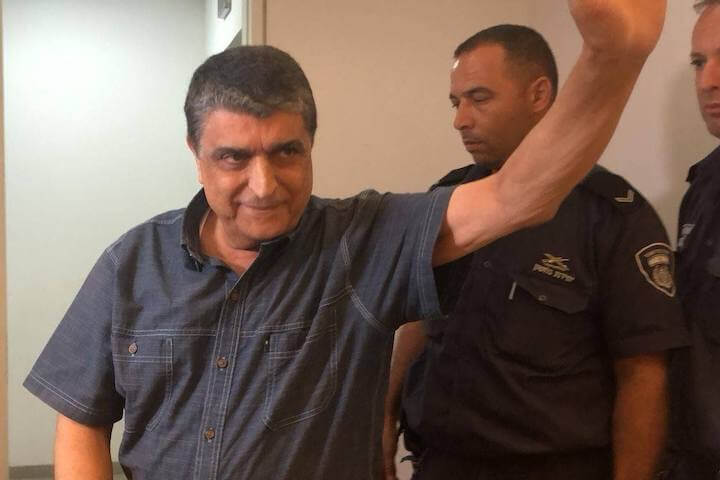
The remand hearing in the trial of Raja Eghbarieh, former secretary-general of Abnaa al-Balad movement, who is accused of “incitement to terrorism” following publications on Facebook, has become a fascinating legal battle that raises fundamental questions about the policy of the Israeli police and prosecution regarding the freedom of expression of Palestinian citizens of Israel.
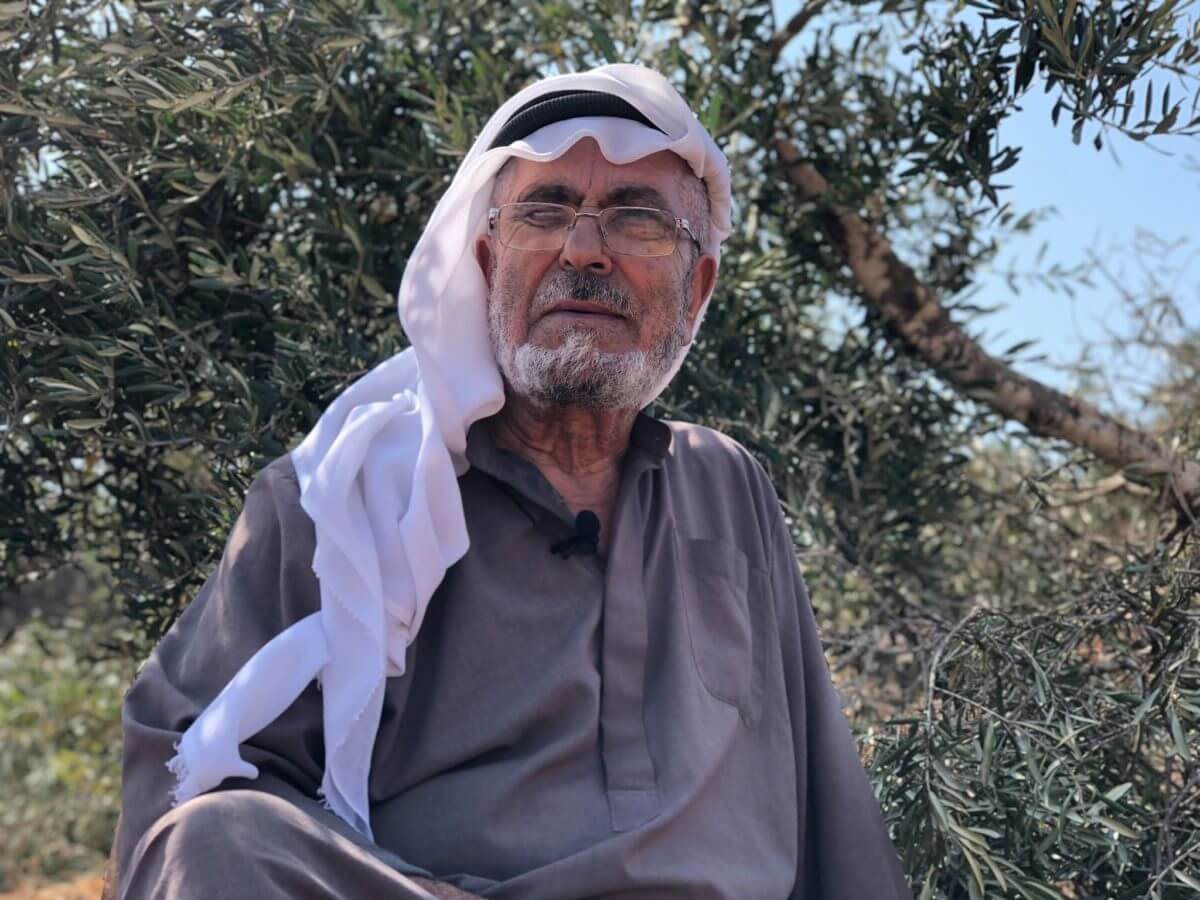
Israeli authorities only give the residents of Turmusayya, a lush Palestinian village nestled in a valley between Ramallah and Nablus, two days in the fall to harvest their olives. When time finally came this year they were devastated to find dozens of trees chopped down, uprooted, and rotting. “Some of these trees are 40, 50, 60, and 70 years old,” 78-year-old Palestinian Mahmoud al-Araj told Mondoweiss, “I have been cultivating these trees, this land, since I was a boy.” Pointing to the illegal Israeli outpost of Adei Ad, which was built on lands of Turmusayya, al-Araj’s voice intensified. “We give everything we have to our land and to these trees, and then the settlers come and destroy it all.”

Young Palestinians often describe their upbringing in the Gaza Strip as serving a sentence in “the world’s largest open-air prison,” and see themselves as trapped between Israel’s refusal to support Palestinian statehood, and an international community willing to look the other way. Ahmad Kabariti talks with young Palestinians in Gaza about what it means to grow up, and be stuck, living under siege.

Ronen Bergman, an Israeli staff writer for The New York Times Magazine, gave a talk to the Israel lobby group AIPAC in White Plains Monday night and lavished praise on AIPAC for its support of Israel. “You need to do a little more to explain to Israelis how much they owe AIPAC. Israelis are not aware. I am aware… I know that you’ve got our backs. It’s such a great feeling.”

Spending a week in Ben-Gurion airport under a deportation order has surely been uncomfortable for 22-year-old American student Lara Alqasem, but the detention has done a great deal to advertise the Israeli government’s intolerance of criticism. NYT conservatives Bret Stephens and Bari Weiss plead with Israel to release her lest the case alienate American Jews; while an Israeli government minister says Alqasem can come in if she renounces her earlier ideas.

A French court ruled to end requiring retailers to label goods originating from the West Bank, overturning a 2016 law where products from the settlements could no longer be stamped “made in Israel.” The JTA reports, “Earlier this year The Lawfare Project, a pro-Israel think tank, initiated a legal action challenging the labeling requirements on behalf of Psagot Winery LTD, an Israeli vineyard whose European distributors are subject to the labeling rules.”
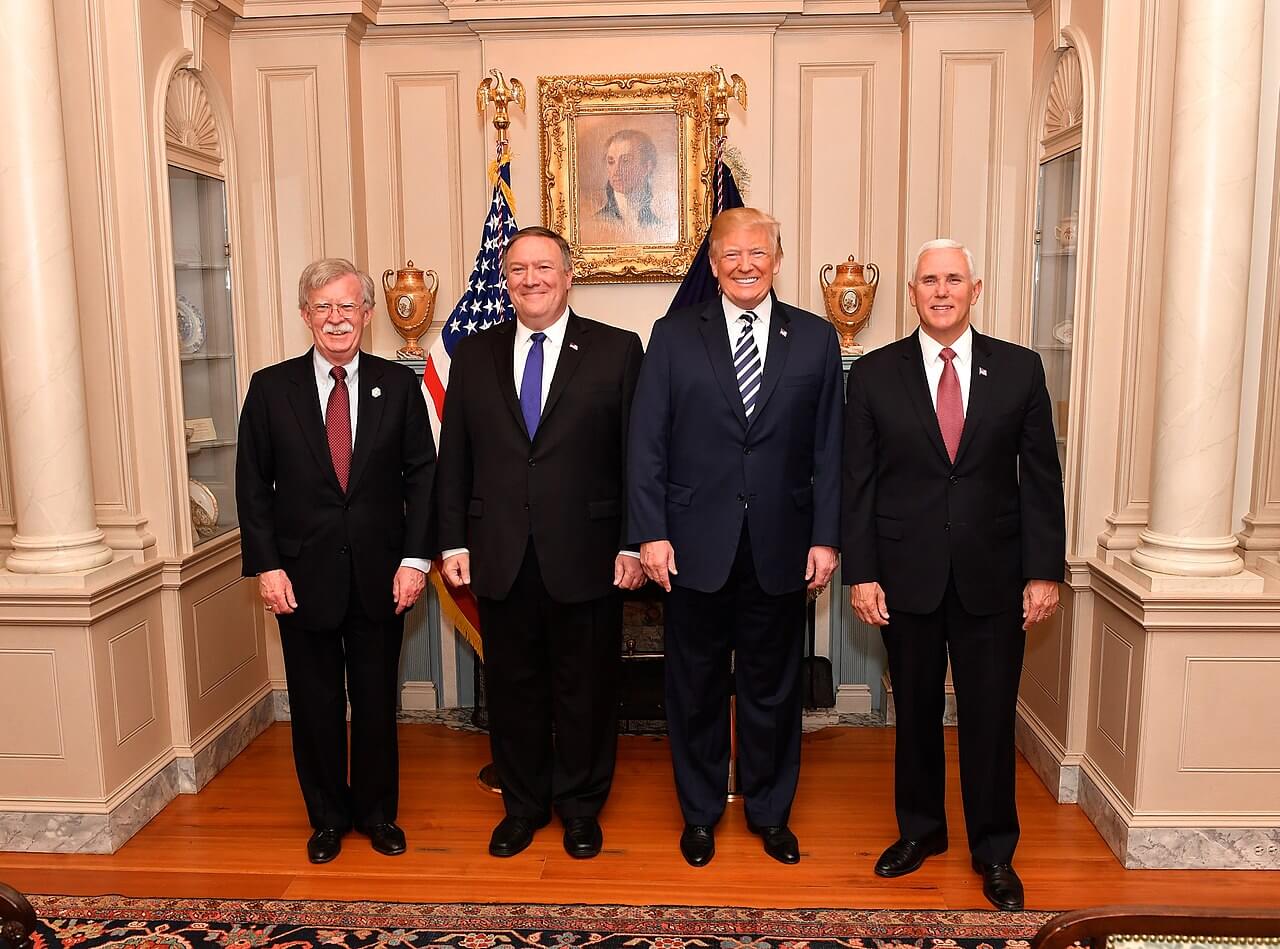
Donald Trump recently reiterated his promise to introduce a Middle East peace plan in the next few months. Ted Snider says that promise makes sense of a number of unusual and extreme events that have taken place in the region recently.
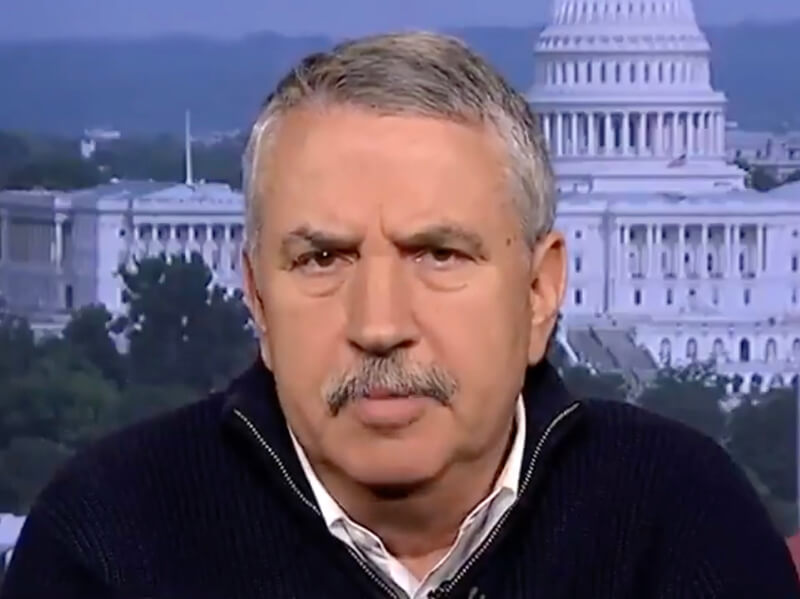
The disappearance and probable murder of Saudi dissident journalist Jamal Khashoggi is the biggest Mideast development in a long time, and once again the U.S. mainstream media is ignoring or downplaying key elements of the story.

The president of San Francisco State University recently announced he will be stepping down, Professor Rabab Abdulhadi writes before he leaves office, “there is a real opportunity for President Wong and for SFSU and CSU to stand up for public education, to be accountable to the public, to reject and end complicity with right-wing pressures and donors.”