The orthodox anti-Zionist group Neturei Karta is often kept at arms length by the left because of its socially conservative views. Filmmaker Heather Tenzer reached out to Neturei Karta for her upcoming documentary, The Rabbis’ Intifada, and shows how the group has been able to build bridges with conservative religious Muslims, thereby offering a challenge to our ideas about activism.

Which is more painful: to be forced to abandon your homeland, or to remain, watching strangers erase all traces of your culture and history? This dilemma forms the crux of Rabai al-Madhon’s Fractured Destinies, which Lesley Williams calls, “a lyrically rich portrait of contemporary Palestinian society”
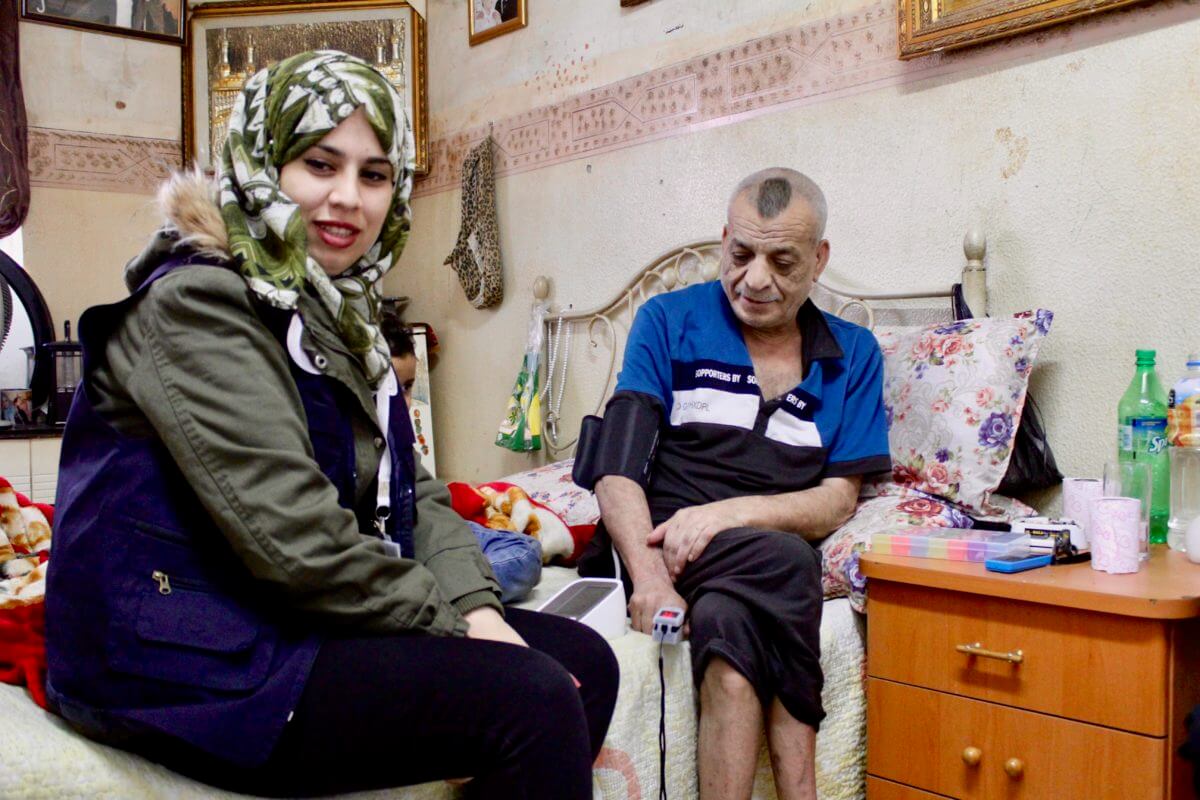
Dr. David Scales does house calls on patients in Aida refugee camp being treated for high blood pressure and diabetes, “The nearest UNRWA clinic with specialized care to manage complex chronic diseases is about three miles away and uphill. For elderly refugees with limited ability to walk, expensive taxis are the only way to get there.”
Israel has never hidden its ambition to seize control of East Jerusalem, Palestinian territory it occupied in 1967 and then annexed, as a way of preventing a viable Palestinian state from emerging. Until now, Israel had mostly moved with stealth, making changes gradually so they rarely risked inflaming the Arab world or provoking western reaction. But after Mr Trump’s embassy move, a new Israeli confidence is tangible.
After years of fighting to save their homes, Palestinians in occupied East Jerusalem’s Silwan neighborhood were hit with a devastating loss last week: the Israeli High Court denied their petition against claims on their homes by an Israeli settler organization, paving the way for the eviction of 700 residents. Despite years of relentless attempts by Israel to kick them out of their homes, residents insist that they won’t give up. “The situation in East Jerusalem, specifically Silwan, is really tough,” Zuheir al-Rajabi told Mondoweiss. “But all we can do is remain steadfast against the attempts to erase us from this land. We will prove that we have a right to exist.”
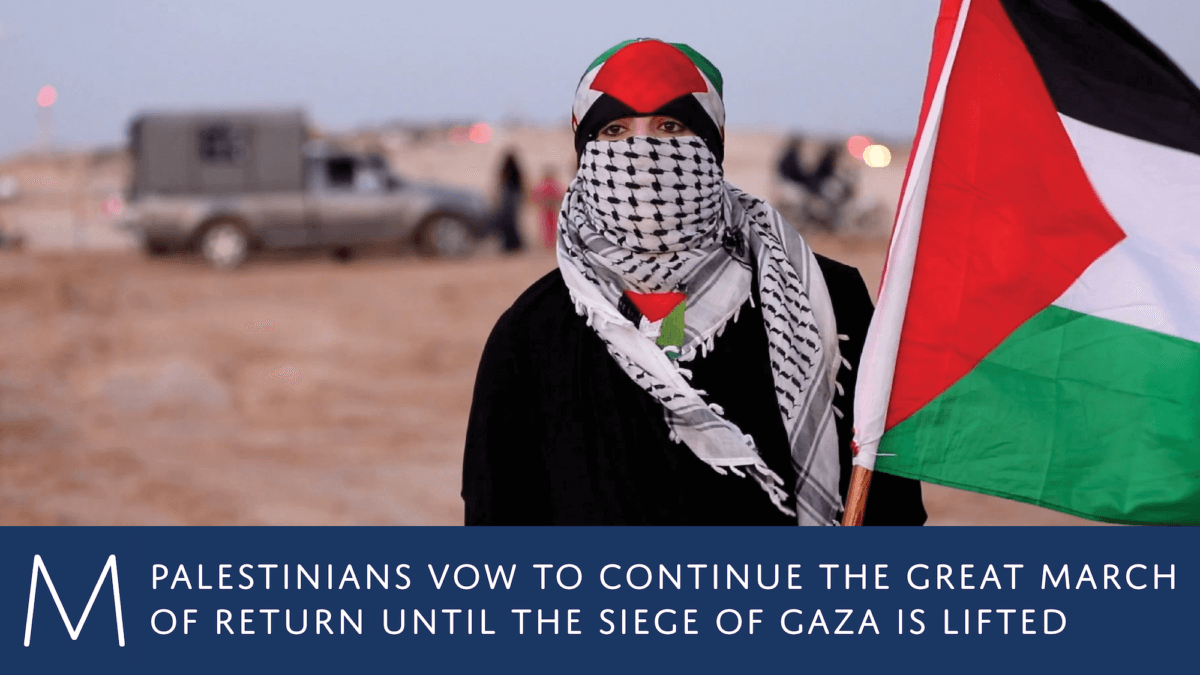
November 30th marked the 8 month anniversary of the Great March of Return. Every Friday since March 30th, thousands of Palestinians in Gaza have taken to the borders with Israel to demand the right of return of refugees to their ancestral homelands in present day Israel, and an end to the siege on Gaza. Despite reported efforts from political officials to bring the Great March of Return to a close, protesters maintain that they will continue demonstrating until the siege is lifted once and for all.
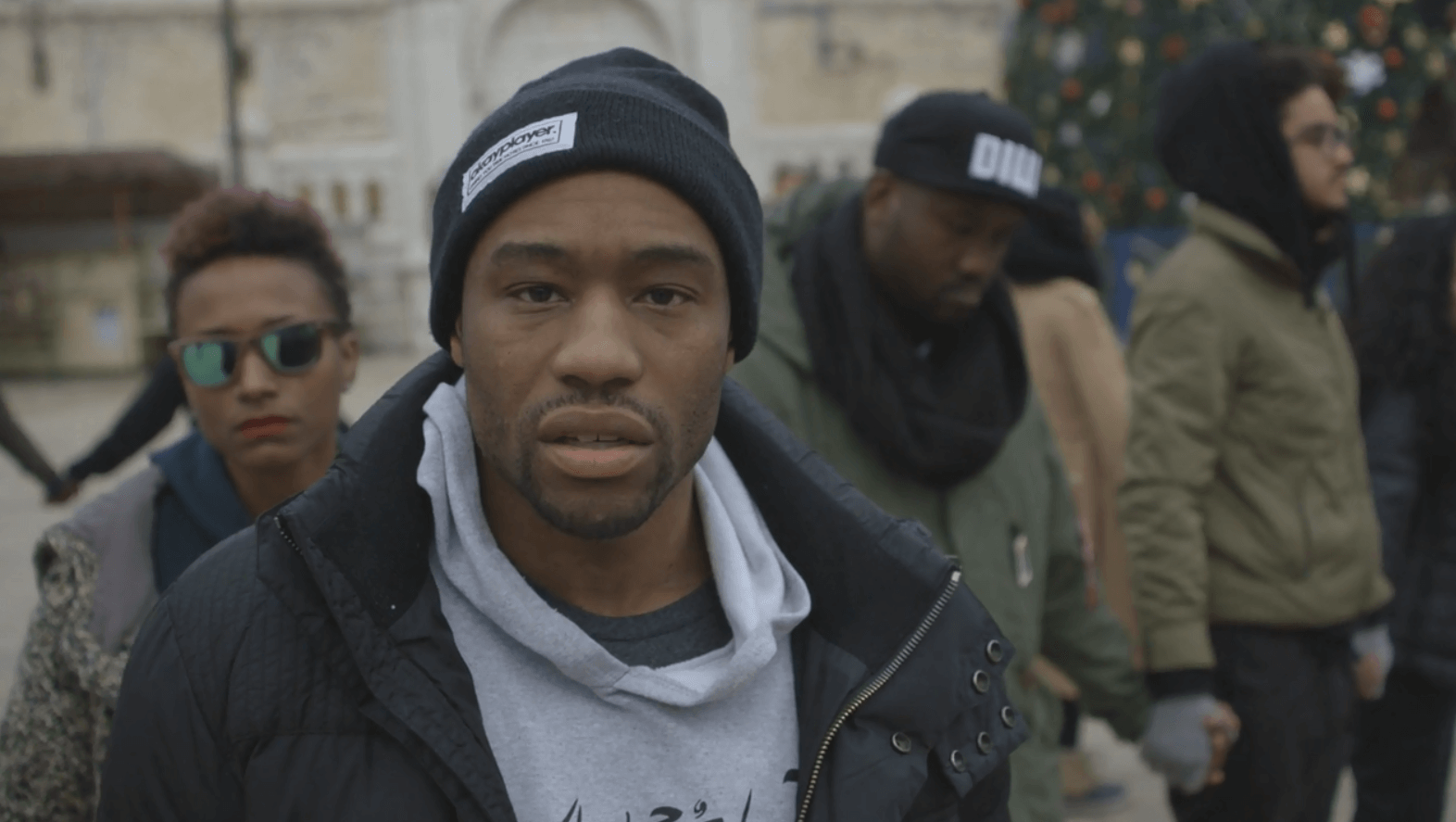
The firing of Marc Lamont Hill by CNN for espousing Palestinian human rights shows the historical commitment by western institutions to Zionism as the answer to Jewish insecurity in the west. But now Zionism is in crisis, and Hill sought to bear witness to the actual conditions in Israel/Palestine– and was labeled an anti-Semite.
Two 15-year-old Palestinian boys, Shadi Farrah and Ahmad Al-Zaatari, were released on Thursday after almost three years of imprisonment by Israeli authorities in different juvenile detention centers. The two Jerusalemite minors were arrested at a bus stop in the city of Jerusalem in December 2015 and were later accused of “possessing sharp tools and endangering public security”, a claim that the families deny to this day.
Nada Elia says that one of the more encouraging aspects of the BDS victories over 2018 was that most were accomplished by local individuals, groups, and coalitions with no direct involvement from the “leaders” of the BDS movement. These victories illustrate that the years of political discussion that were catalyzed by the 2005 Palestinian call for BDS against Israel are bearing fruit.
Bari Weiss, an opinion editor at the New York Times, asserts that the three heads of the “dragon” of anti-Semitism are white nationalists, Islamists and leftwing anti-Semites who masquerade as anti-Zionists. As if leftwingers who support Palestinian human rights are just as dangerous as neo-Nazis who kill Jews.