Palestinians find inspiration in the first anti-apartheid movement and other struggles against settler colonialism in their call for BDS and secular democracy in historic Palestine.
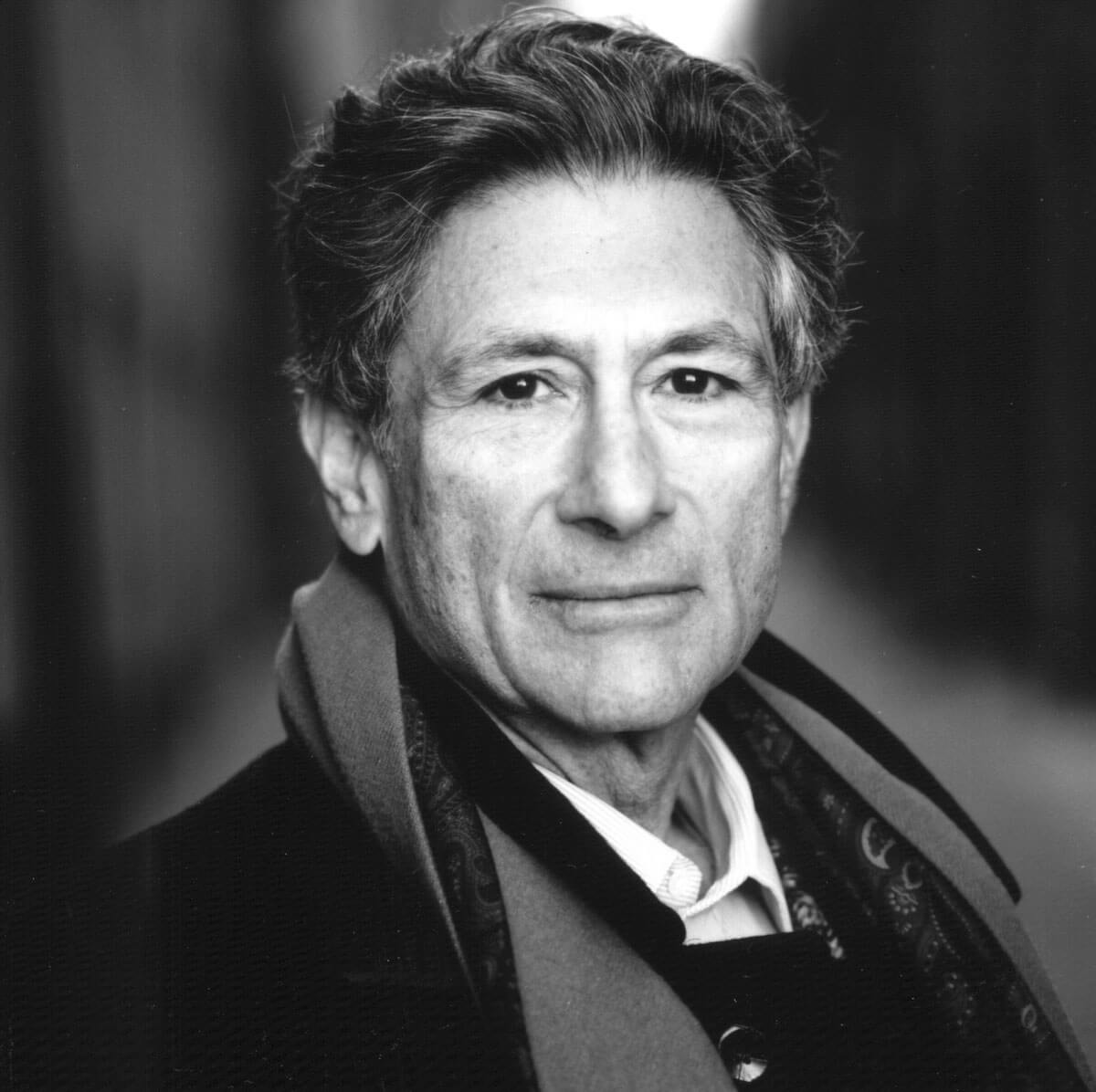

Palestinians find inspiration in the first anti-apartheid movement and other struggles against settler colonialism in their call for BDS and secular democracy in historic Palestine.
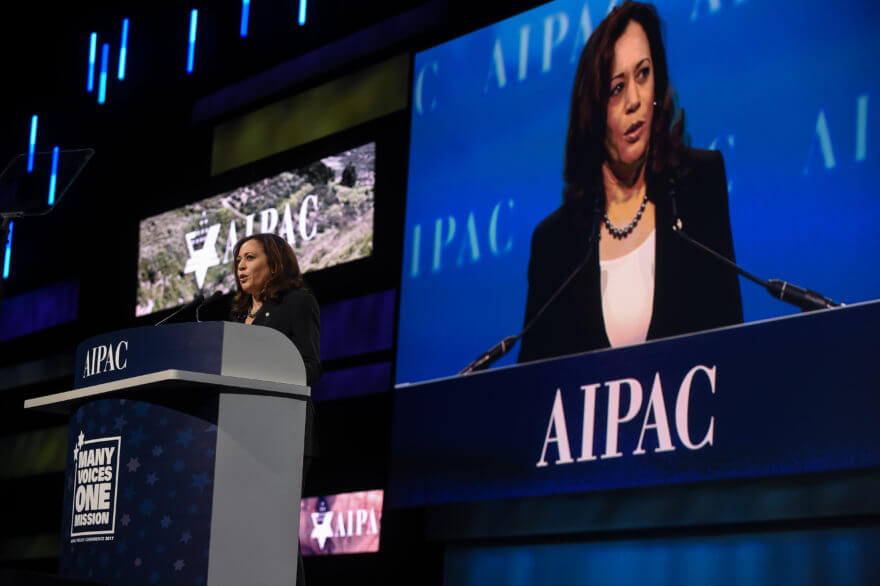
The recent victory of Jamaal Bowman over AIPAC-backed Eliot Engel; AIPAC being forced to “give permission” to members of Congress to oppose Israeli annexation plans for the West Bank; and the recent letter to U.S. Secretary of State, Mike Pompeo, from 12 Representatives and one Senator not only opposing annexation, but promising legislation to condition U.S. aid to Israel to their policies in the West Bank – all provide evidence that AIPAC may be losing its grip on Congress.

The Biden team is about to put out very pro-Israel language on a party platform draft. And while it is likely that Israel-critics will try to amend that language, party insider Mark Mellman says they will not succeed.
As of Tuesday afternoon, the Palestinian death toll from COVID-19 stands at 47 people and climbing. The vast majority of deaths have been recorded in the West Bank, specifically in Hebron, the epicenter of the outbreak.
American Zionism is crumbling before our eyes. 500 alums of US youth Zionist group Habonim Dror call on leaders to cut ties with Israel over annexation. Kibosh on the kibbutz! But Habonim leaders are rejecting the advice, just as J Street leaders dismissed their youth branch alumni’s demands.
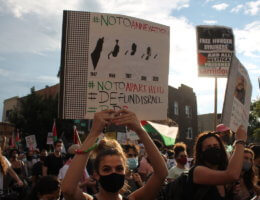
Among all the headline-grabbing stories in 2020 another movement has been gaining traction: the effort to end the United States’ support for Israeli apartheid.

Maybe the 153 signatories to that now famous “cancel culture” letter could draft another epistle, one that appeals for an end to suppressing free discussion about Israel and Palestine.
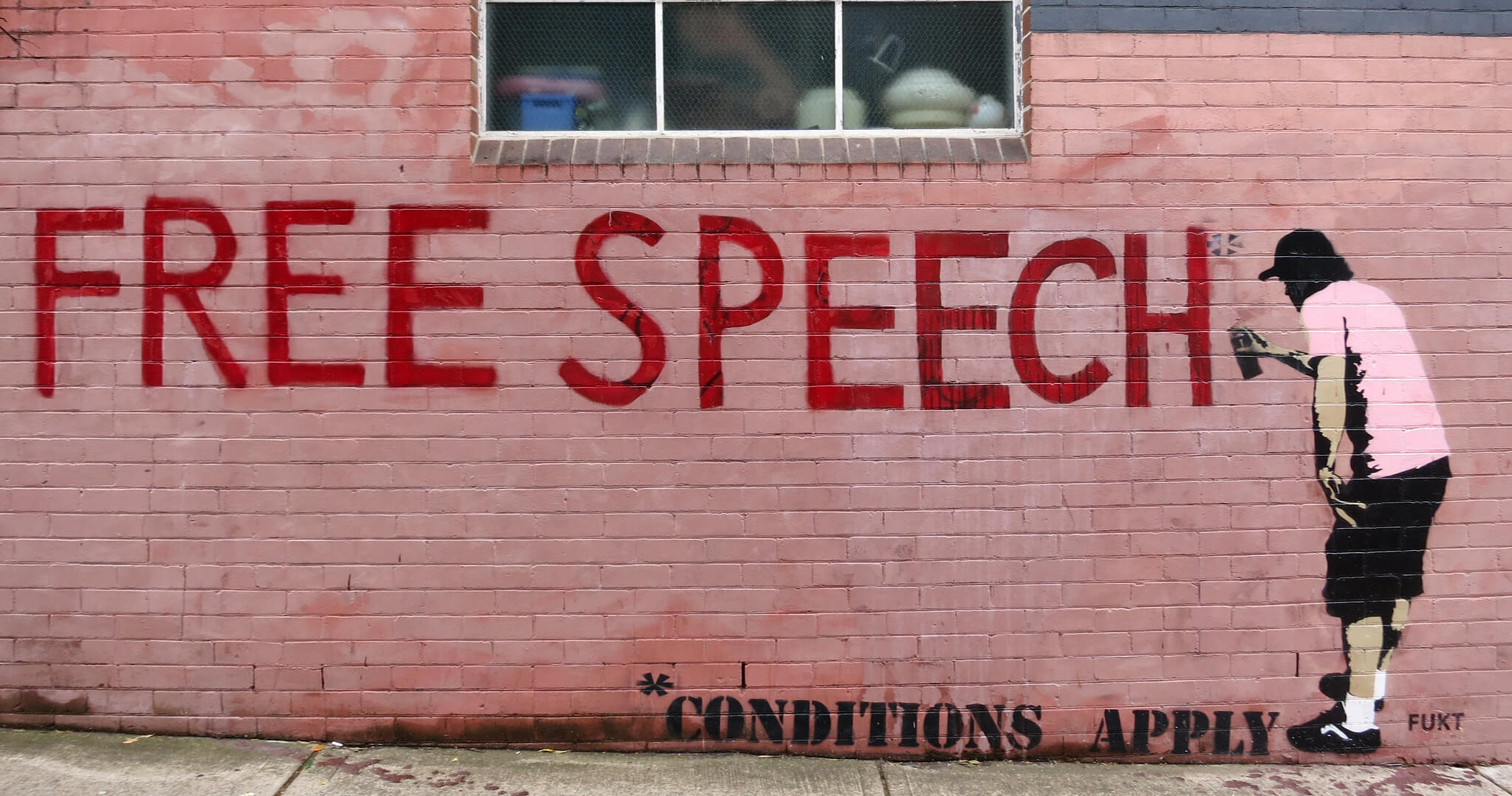
Larry Haiven shares more than two dozen recent examples of the pro-Israel lobby’s cancel culture playbook in action in Canada.

According to data released by the Small Business Administration, Friends of the Israel Defense Forces received a Paycheck Protection Program loan between $2 and $5 million in April.
An open letter published by Harper’s magazine, and signed by 150 prominent writers and public figures, has focused attention on the apparent dangers of what has been termed a new “cancel culture”. It is easy to agree with the letter’s generalized argument for tolerance and free and fair debate, but the intent of many of the letter’s signatories is the very reverse of their professed goal: they want to stifle free speech, not protect it.