Ashraf al-Qaisy demolished his own home to try to save the lives of his neighbors during the most recent Israeli attack on Gaza at the beginning of August. He has no regrets even though none of them survived. “If I could go back in time I would make the same decision again. The lives of my beloved neighbors are worth it,” he says.
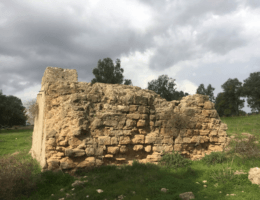
Burayr is the site of a terrible massacre, in which about 125 farmers and their families were killed by hand grenades thrown at them in their homes by the Zionist militia (the Haganah). The village was torched and went up in flames. Burnt bodies were strewn in the streets.
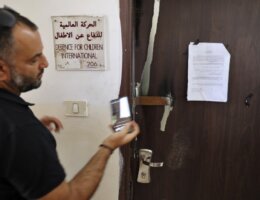
The heads of six Palestinian organizations “outlawed” by the Israeli government write to Joe Biden demanding the U.S. condemn Israeli attacks against civil society.
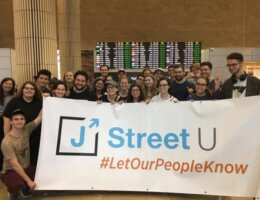
The liberal Zionist organization J Street is adamantly opposed to BDS, the nonviolent boycott campaign targeting Israel, and proudly declares that it is “Pro-Israel.” But one of its student leaders evidently disagrees with the organization. Eliana Blumberg supports BDS and says that the effort to say that being “pro-Israel means being pro-democracy, not pro-apartheid” is “futile.”
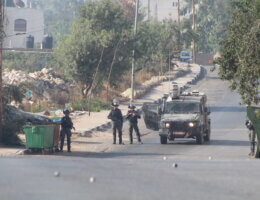
The West Bank town of Silwad has long been considered one of the most intense points of confrontation with the Israeli military, even in periods of relative calm. The town’s unbroken tradition of resistance has recently intensified under Israeli siege since the beginning of August, as Silwad’s youth remains determined to defend the village against the army whether by rifle or stone.
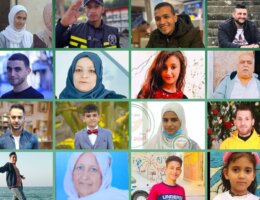
During the three-day Israeli assault on Gaza between August 5 – 7, 2022, 49 Palestinians were killed, including 17 children. The Mondoweiss team identified every airstrike conducted by Israeli forces and undertook a project to memorialize the Palestinians who were killed, including interviewing many of their families. The following is a profile of each person killed during the Israeli offensive.
Former Google employee Ariel Koren says the company has “sustained a culture of silencing anti-Zionist Jews and creating toxic and unjust conditions for Palestinian, Arab, and Muslim workers.”
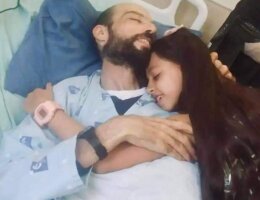
“I am deeply thankful for people who supported me, stood with me, reinforced me, and prayed for me, thank you,” Awawdeh said, after ending his 182-day hunger strike. Awawdeh, who lost more than half his weight during his strike will remain in an Israeli hospital for treatment until his release on October 2.