In 2025, there was notable momentum in both the Democratic and Republican parties toward substantive change in U.S. policy on Palestine.
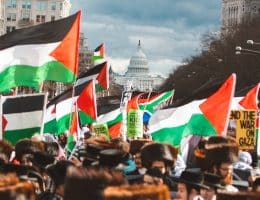

In 2025, there was notable momentum in both the Democratic and Republican parties toward substantive change in U.S. policy on Palestine.

In 2025, students around the world came together to challenge their schools’ complicity in the Gaza genocide. Despite heavy repression, they won major victories, including divestment and commitments to cut ties with Israeli institutions.

In comments to reporters after his meeting with Israeli Prime Minister Benjamin Netanyahu, Donald Trump reiterated his support for another strike on Iran.
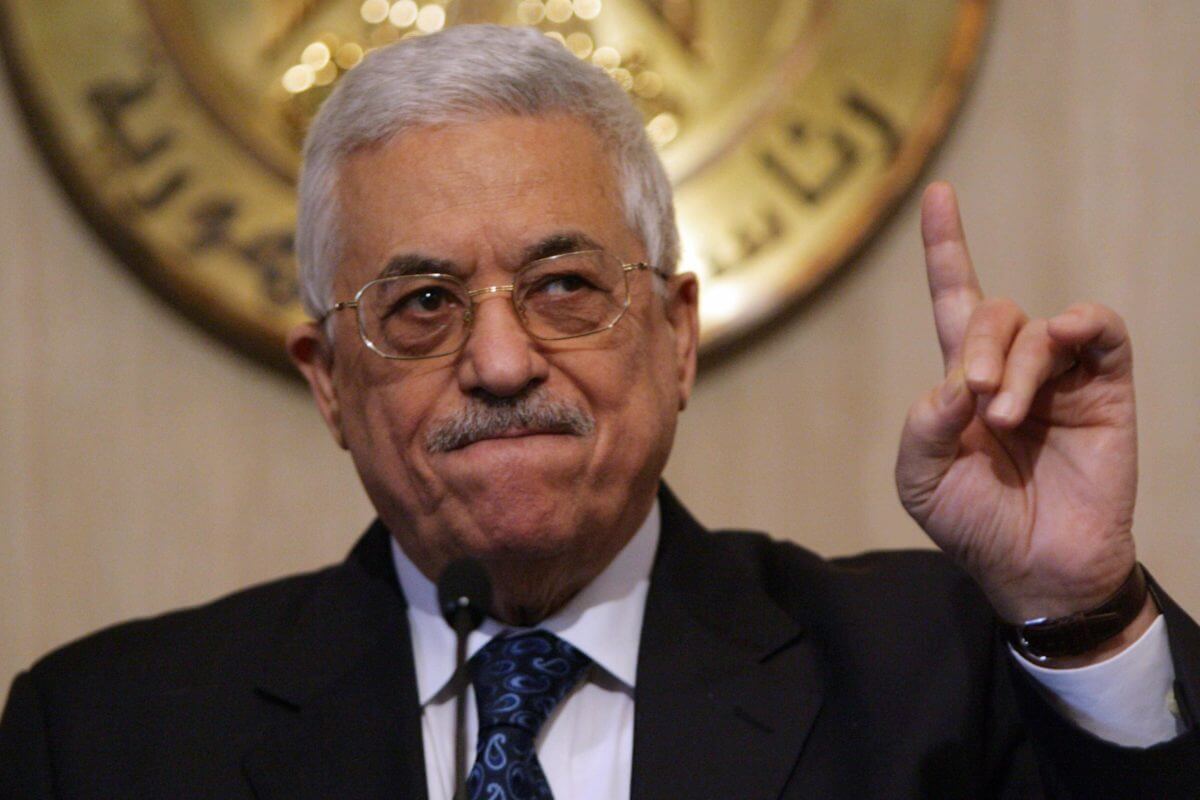
Palestinians are in a political crisis. With Palestinian society divided, and no unified national leadership to represent it, regional and global powers are drawing up plans for the future of Gaza and Palestine – without any say from Palestinians.
Gaza dispatches from Tareq Hajjaj, Noor Alyacoubi, and Malak Hijazi document death under the rubble, mutual aid reconstruction, and destroyed agriculture—while U.S. stories track doxxing campaigns and new legislation targeting Palestine speech.
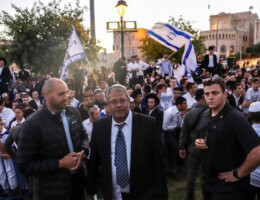
Despite the mutual admiration between Zionists and fascists, they are usually seen as separate political movements. However, when viewed through the lens of Western racism, colonialism, and imperialism, the connections become clear.

Jewish advocacy for a one-state solution represents a form of Zionism that centers Jews in Palestine’s future. Instead, anti-Zionist Jews must aim to accelerate the dismantling of Zionism both in Palestine and worldwide.
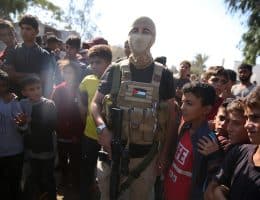
The U.S. appears ready to reassess its tactics in carrying out Donald Trump’s plan for Gaza. The news vindicates the strategy Palestinians have used during the ceasefire to avoid the surrender Israel has demanded in exchange for ending the genocide.
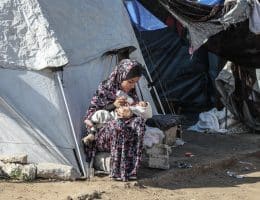
When I speak to friends and family in Gaza, it is impossible to have a conversation without talking about loss: loss of our homes, our livelihoods, and our loved ones. But even as we reel from two years of genocide, the hope of our people remains.
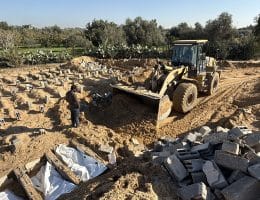
Under the relative calm of a ceasefire, Civil Defense crews in Gaza are undertaking the monumental feat of recovering thousands of bodies still trapped under the rubble.