Author

Ahmed Al-kabariti

Browsing

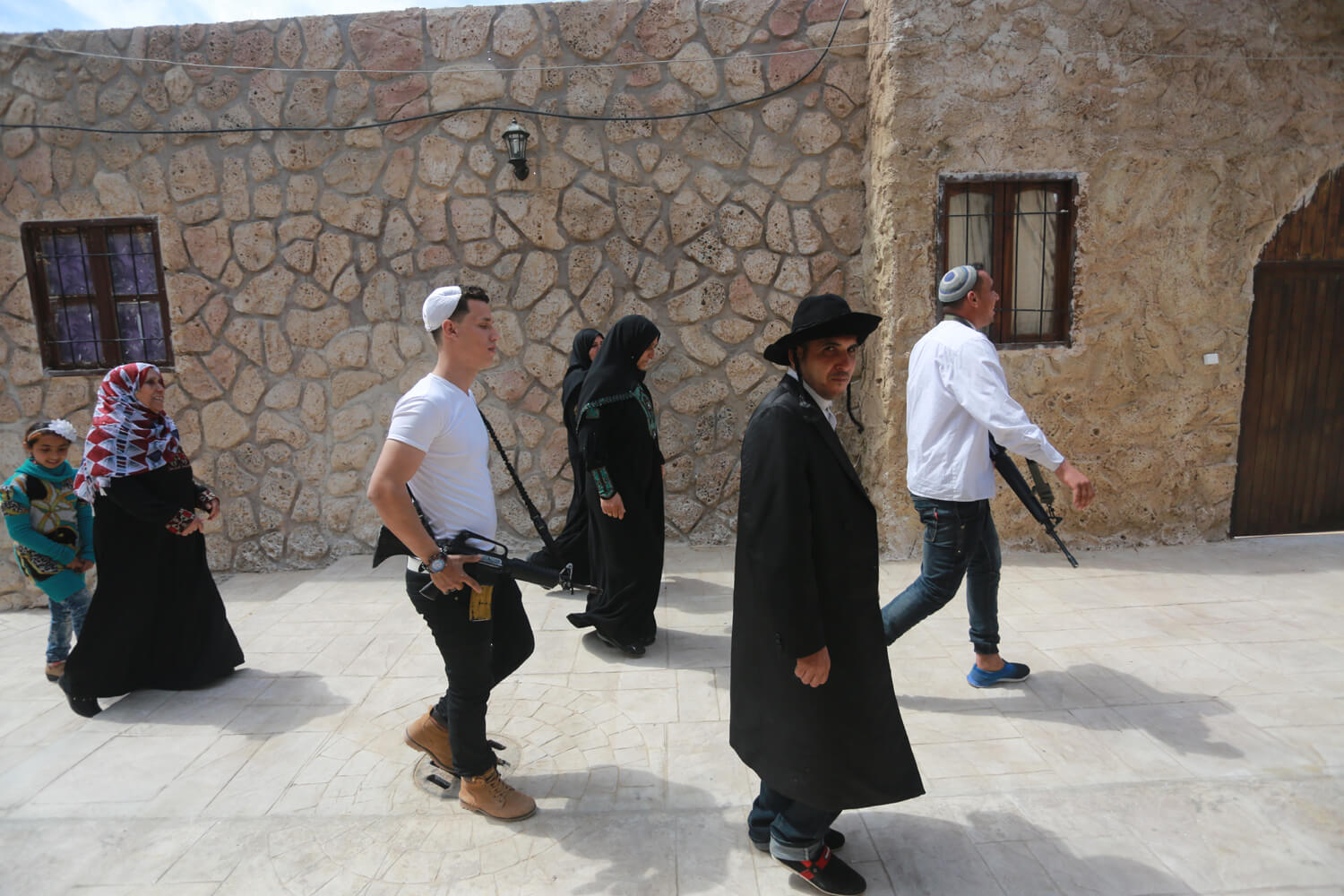
Amid the quiet of Gaza’s white sand dunes that cover the grounds of Israeli settlements evacuated more than a decade ago, Palestinian actors playing ultra-orthodox Israelis get in a fight. They are shooting the dramatic series “Heaven’s Gate” on the Hamas-owned Al Aqsa TV network, which will premiere this summer during Ramadan. The show is filming in Gaza, but the show is set in Jerusalem, and the city has been recreated inside of the besieged strip. This is as close to visiting the holy city as any of the actors have come.

On March 8, women in Gaza marked International Women’s Day along with their counterparts in the countries across the globe. But in Gaza, International Women’s Day is less of a celebration and more of a harsh and painful reminder of three wars in the last decade, and years of siege. Laila Qarmout, 57, a member of the General Union of Palestinian Women said: “Women are indoctrinated from the age of five to see ourselves as less than our brothers or less than our husbands. Despite this, we have struggled a lot against the world’s only long-running occupation. Women know too well the iniquity of repression.”

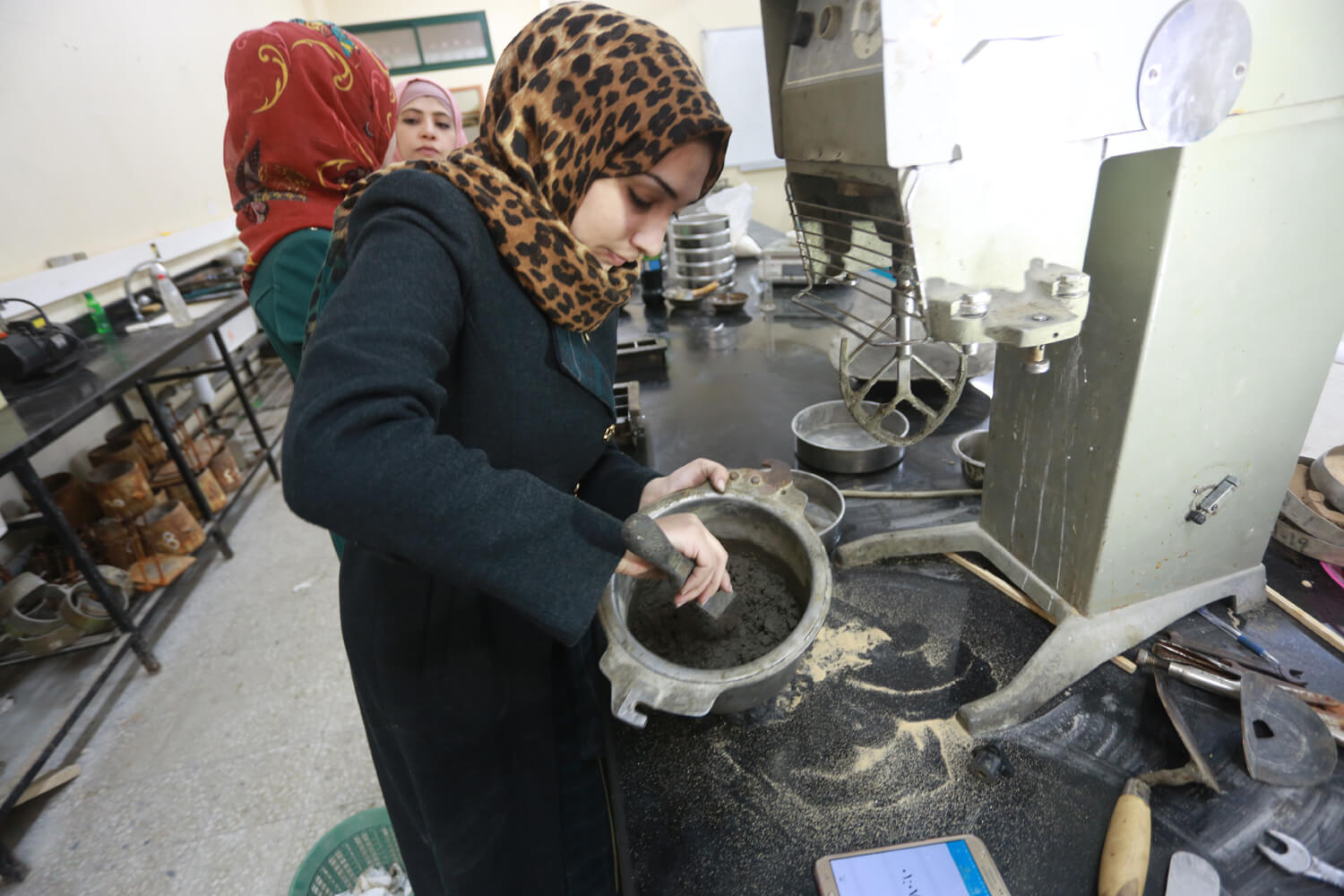
An all-female team of engineers in Gaza have invented an affordable new way to produce concrete, made from the leftover rubble of homes destroyed during the last war in Gaza. The women aspire to create a needed alternative to the expensive and time-consuming process of importing construction materials into Gaza by relying mostly on recycled materials.

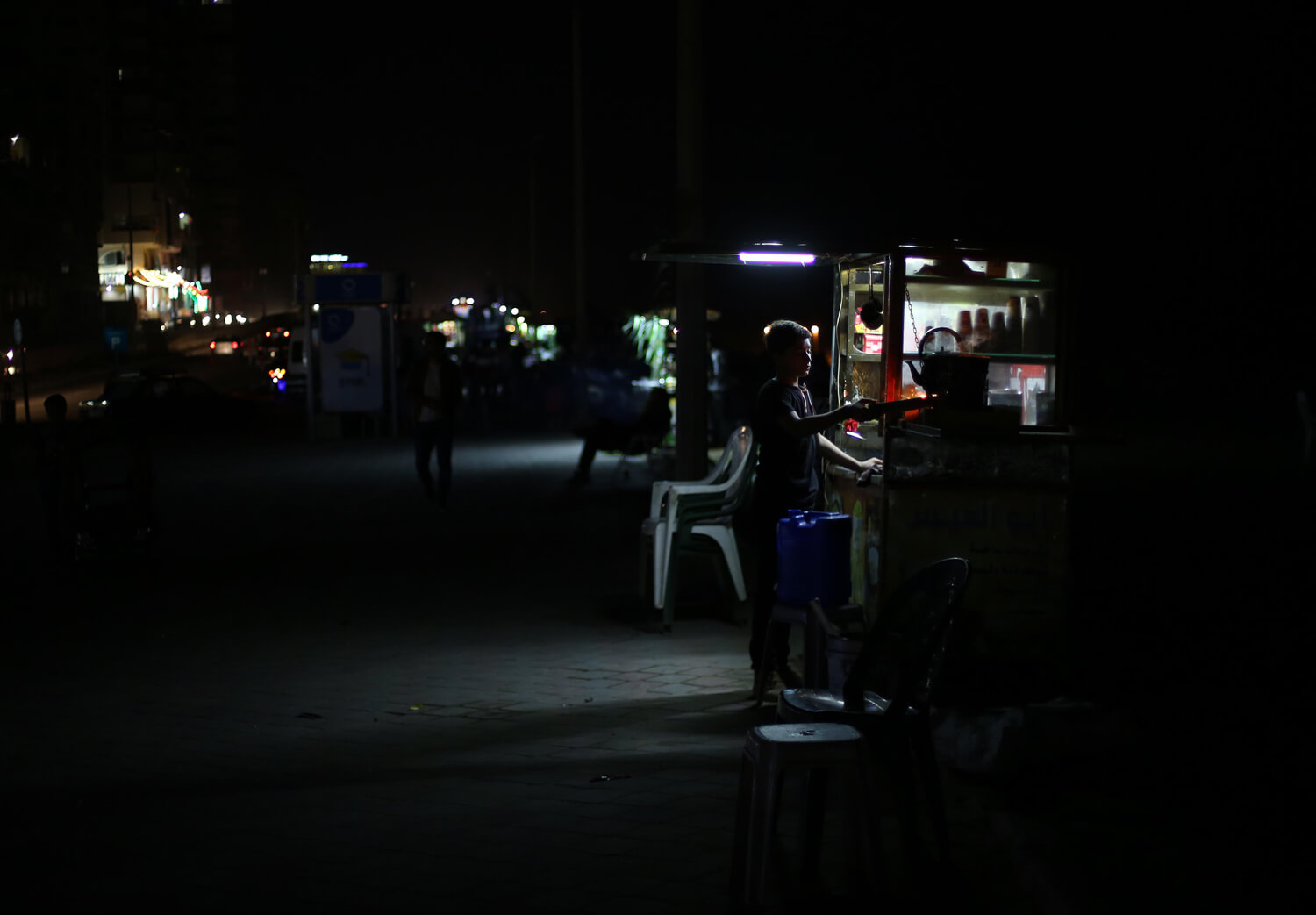
Five years ago the United Nations made a shocking declaration about the future of the Gaza strip: it will no longer be “a liveable place” by the year 2020. How do the people of Gaza respond to these warnings? “The international community always states there is a crisis in Gaza and then raises alarming statements. We were afraid in the past, but today people have become more cold-hearted,” said Adnan Abu Shamala, 87, a scrap vendor in a Gaza city bazaar. “I was in Amman four years ago where people were laughing loudly in every coffee shop. I met people there and I told them that I have not even smiled since six years due to the bitter life in my homeland.”