Author

Ahmed Al-kabariti

Browsing
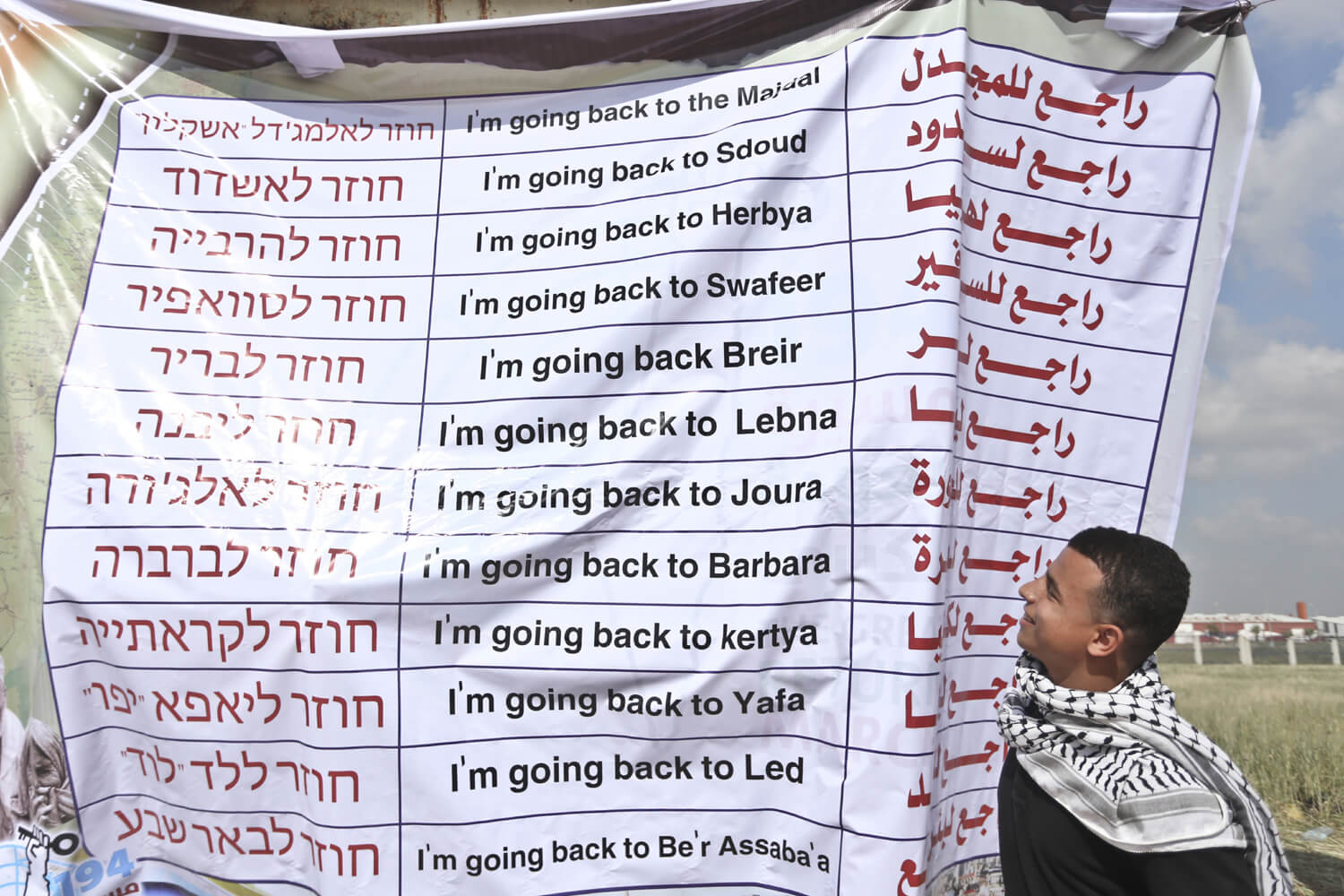
A young Palestinian looks at a poster listing the villages that demonstrators at the Great March of Return plan to return to once the Palestinian right of return is honored, March 30, 2018. (Photo: Mohammed Asad)

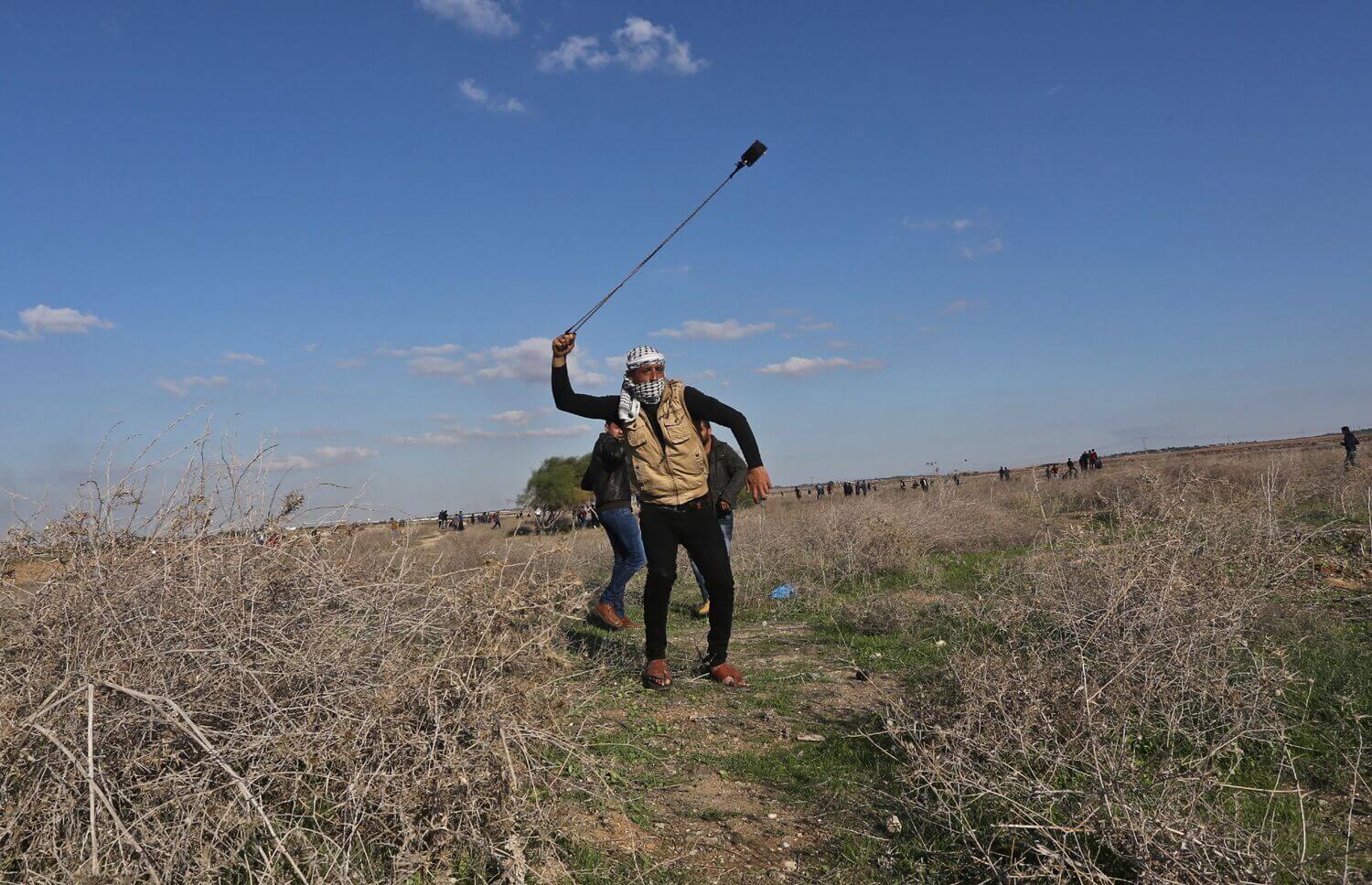
Ahmad Kabariti reports from the first day of the Great March of Return in Gaza where 15 Palestinians were killed by Israeli forces. Despite the Israeli violence, there are scenes of nonviolent protest and persistence, and even a wedding. Groom Alaa Shahin tells Kabariti, “A few hundred meters away from those soldiers eyes, I emphasize my right and the whole Palestinian peoples’ right to return home after 70 years of displacement, we will not wait another 70!”
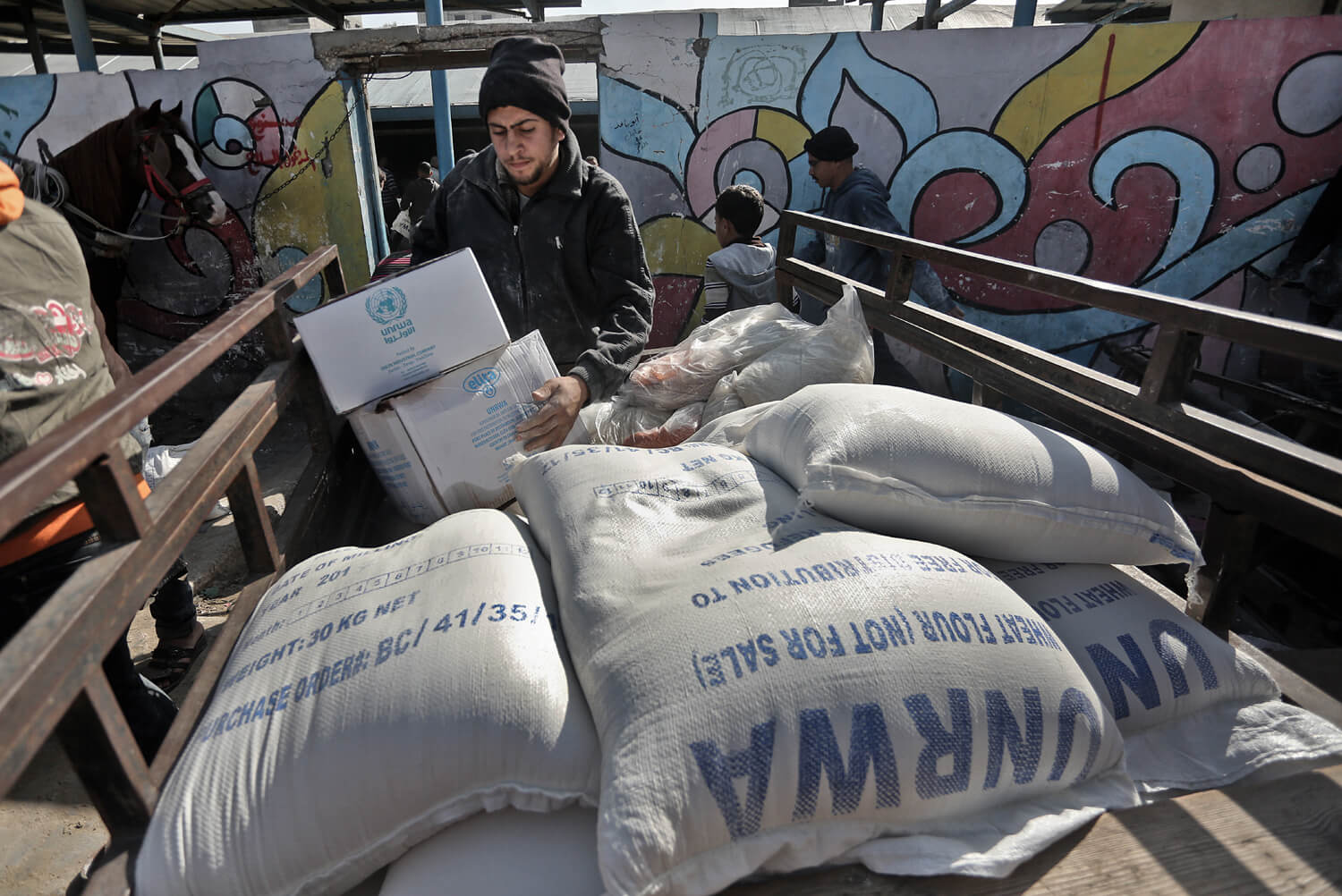
The Trump administration informed the United Nations yesterday it would cut aid for Palestinian refugees by more than half, withholding $65 million in funds. For Mariam Oraif, 74, and many other Palestinians who depend on UNRWA health services the cuts could be a matter of life or death. When asked what she will do if UNRWA is no longer able to provide her with insulin and her weekly treatment, Oraif said of Trump, “He wants to kill us.”

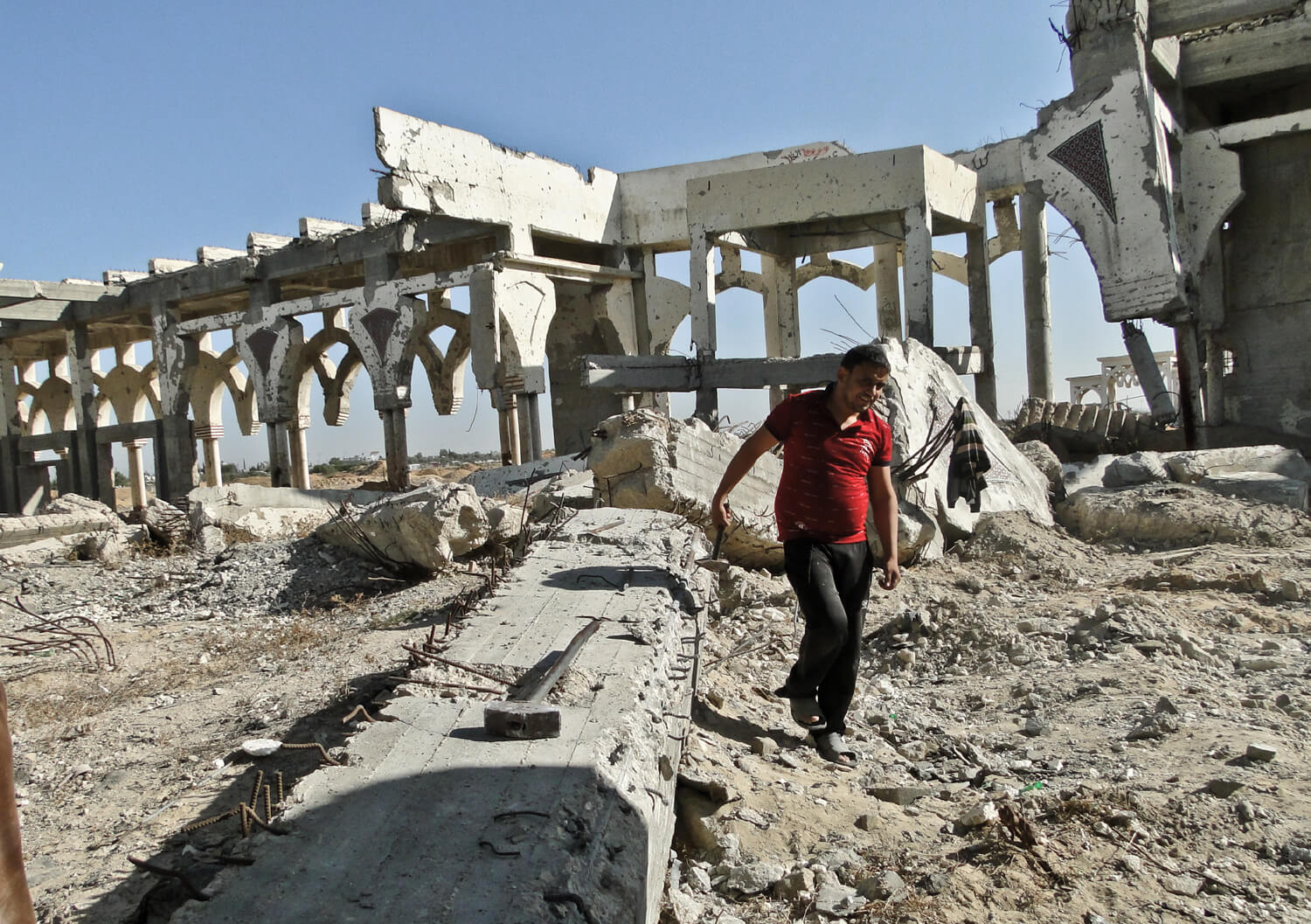
The streets of Beach refugee camp in Gaza City were quiet for once this morning, as the camp mourned Ibrahim Abu Thurayeh, shot dead at a demonstration over Jerusalem on the Gaza border on Friday, December 15. Abu Thurayeh was legless: he had lost his legs when he was targeted by Israeli soldiers in 2008 after putting up a Palestinian flag at a demonstration then.

Caught between war, siege, and cultural restrictions, teenage girls in Gaza face a future of uncertainly and limitations. “In Gaza, everything is negative. Even if you imagine something beautiful, the buzz of the drones overhead will make you worried,” says Farah Ayyad, 18. “If I stand on the beach at night with my family, we can see the lights from the Israeli city of Ashkelon, of course, they live as they like.”

Ahmad Kabariti reports from Gaza that the electricity crisis has ballooned into a sewage crisis, starting with the beaches. “Goalkeeper in a pick-up game in Gaza’s Sheikh Ejleen beach, Mohammed Abu Mahaadi, 27, feels sweaty. He rushes to the sea, diving for seconds into wavy black-gray spots at the end of a foamy break. Dozens of dead jellyfish and sea crabs are in view. When he emerges, Abu Mahaadi’s body is covered in a sludge, sewage water pumped into Gaza’s sea, an effect of the current fuel crisis where there is no longer power to generate the Strip’s waste treatment plant.”

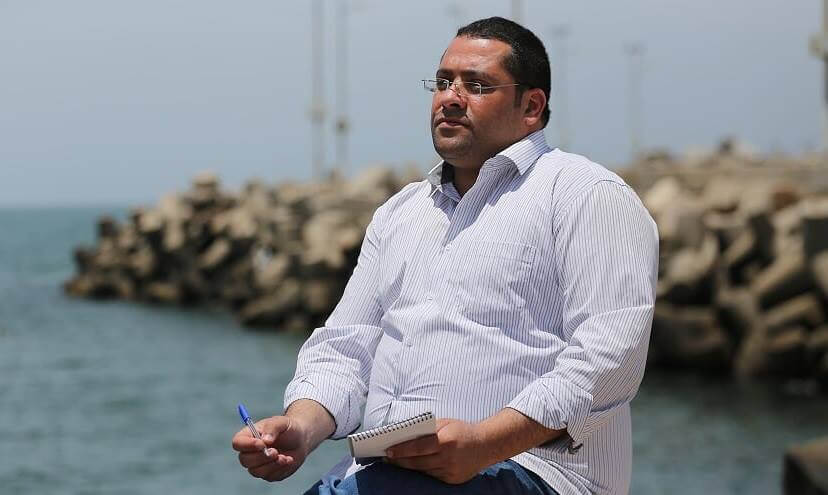
Mondoweiss contributor Ahmad Kabariti shares a personal story of being pressured by Israeli officials to share information with them in Gaza. He says it shows the power of adversarial journalism and the need to support news outlets telling the truth about what is happening in Palestine: “Just about every Palestinian journalist has had at least one experience similar to mine. Israel’s attempts to neutralize our profession take many forms, from bullying to physical force to bribes. I’m sharing this part of my personal history to help Mondoweiss’s readers understand how vital it is as an avenue to broadcast our reporting—to defy the efforts to silence us. I am asking you to show your solidarity with our work by donating to Mondoweiss to support publication of our journalism.”

As Donald Trump wrapped his visit to Israel and the occupied Palestinian territory yesterday, Gazans said they felt ignored. They do not expect the president’s travels will improve or lift the decade-long Israeli siege imposed on the coastal Mediterranean strip. Many noted Trump’s pro-Israel rhetoric during the later part of his campaign and first months of the presidency as a signal that their well-being is not on his agenda. Some cynically referred to the president as on an “elegant businessman’s” trip to Saudi Arabia, followed by less important stops to Israel and the West Bank.