Author

Ahmed Al-kabariti

Browsing
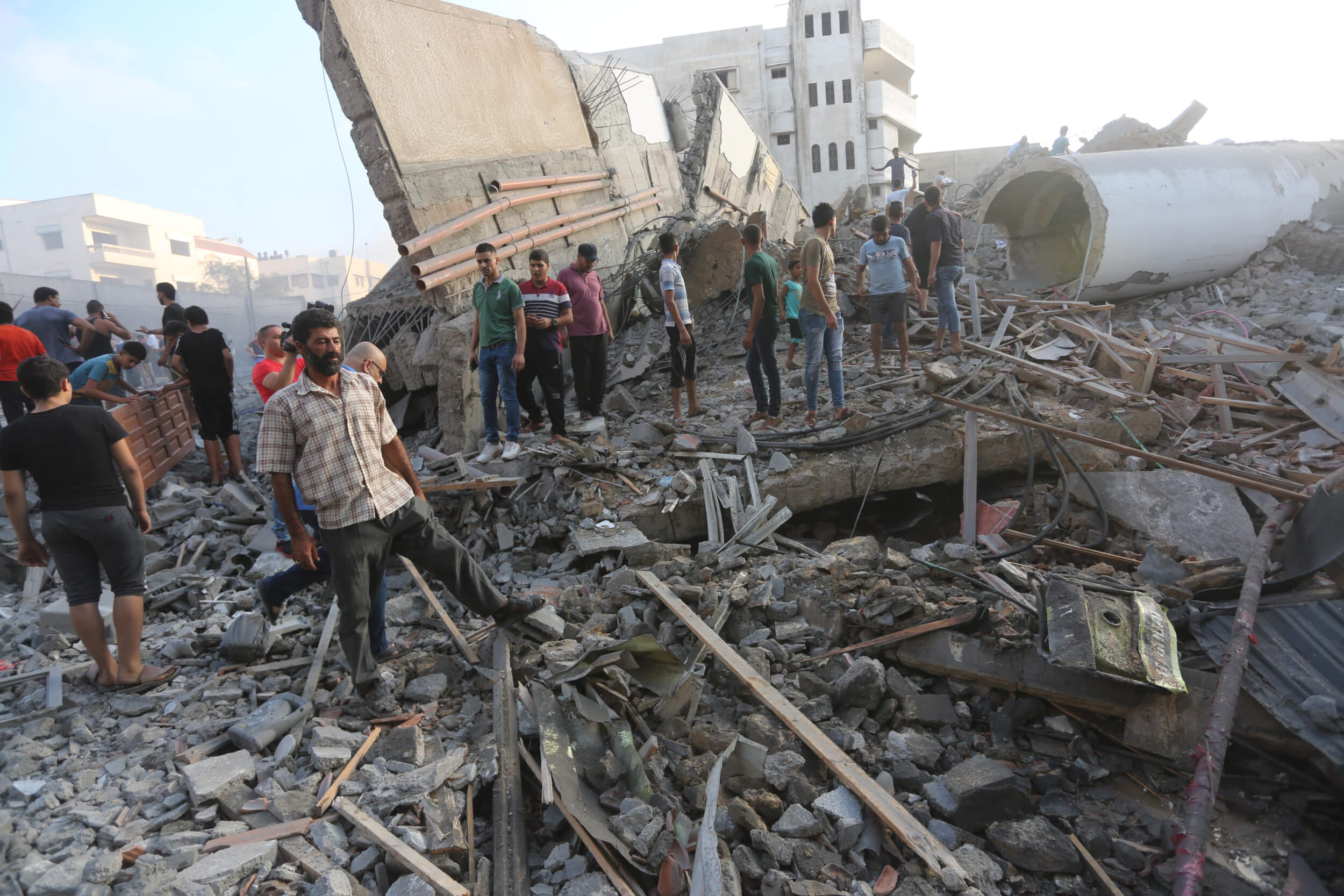
People inspect the remains of the the Said al-Mishal Foundation for Culture and Science in Gaza.

On Thursday evening, 12 successive explosions were heard as Israeli warplanes flew over Gaza City, destroying the popular Said al-Mishal Foundation for Culture and Science cultural center, one of the very few cultural outlets left for Gaza’s youth in the besieged enclave. “Israel is trying to deliver its message that massive war is not just against humanity or our existence; it is a war against every part of Palestinian identity including music, culture or even Dabkeh dance,” said Nidal Eissa, Deputy Director of the Foundation, which was inaugurated in 2004.
Four years ago Dalia Khalifa became the face of the Israeli attack on Gaza when Mohamed Asad took a photograph of the 9-year-old’s heavily-wounded face and the image was shared around the world. Today, she has nightmares about injuries to her face but dreams of opening a beauty salon, while her mother tries to save money to pay for laser surgery to remove the remaining scars.

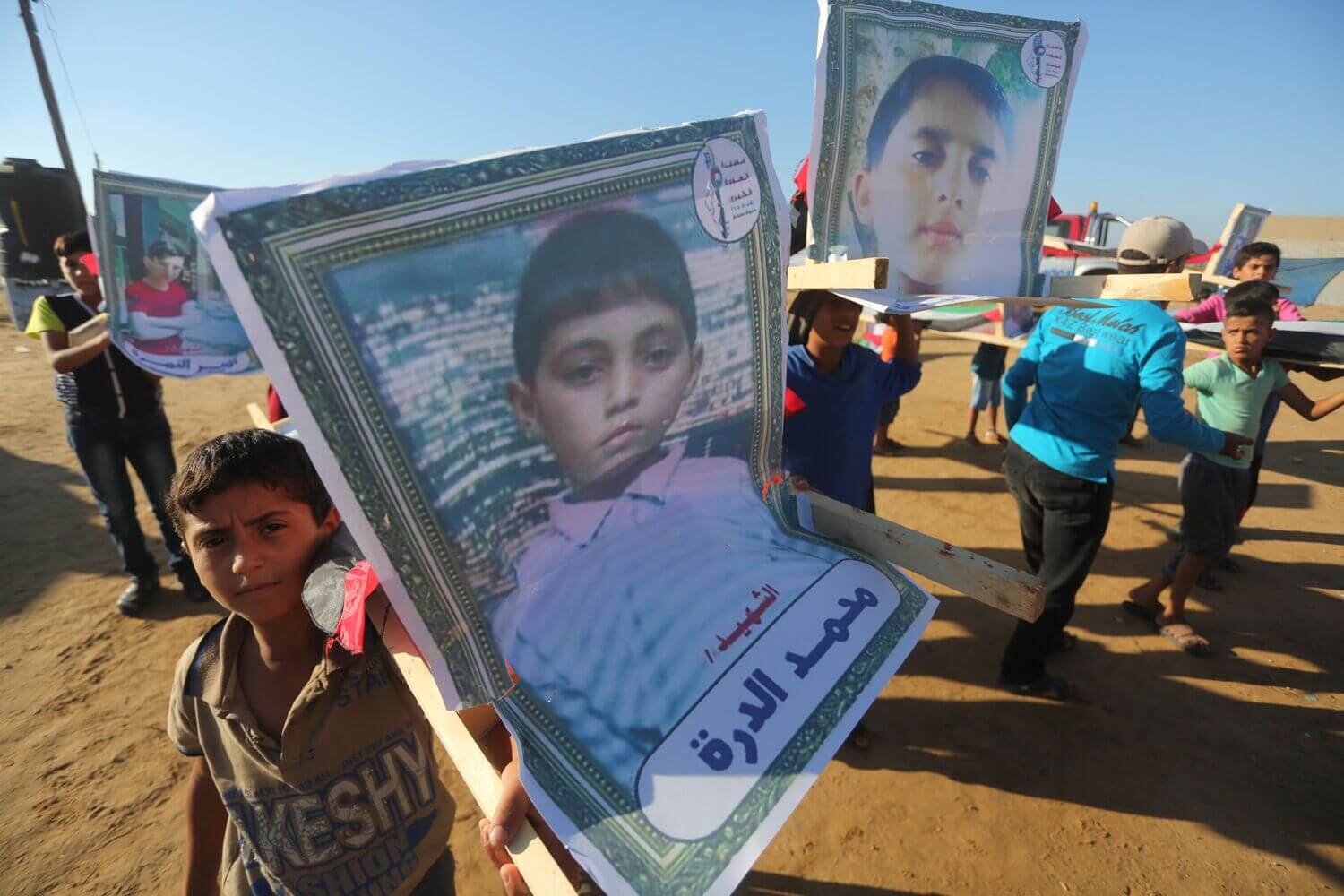
More than 100 days have passed since the Great March of Return began in Gaza. Despite the bloody events in those 15 weeks, where 138 unarmed Palestinians have been killed and more than 16,000 wounded by Israeli fire, the protests continue. Ahmad Kabariti talks to Palestinians in Gaza to find out what they believe the Great March of Return protests have accomplished so far.

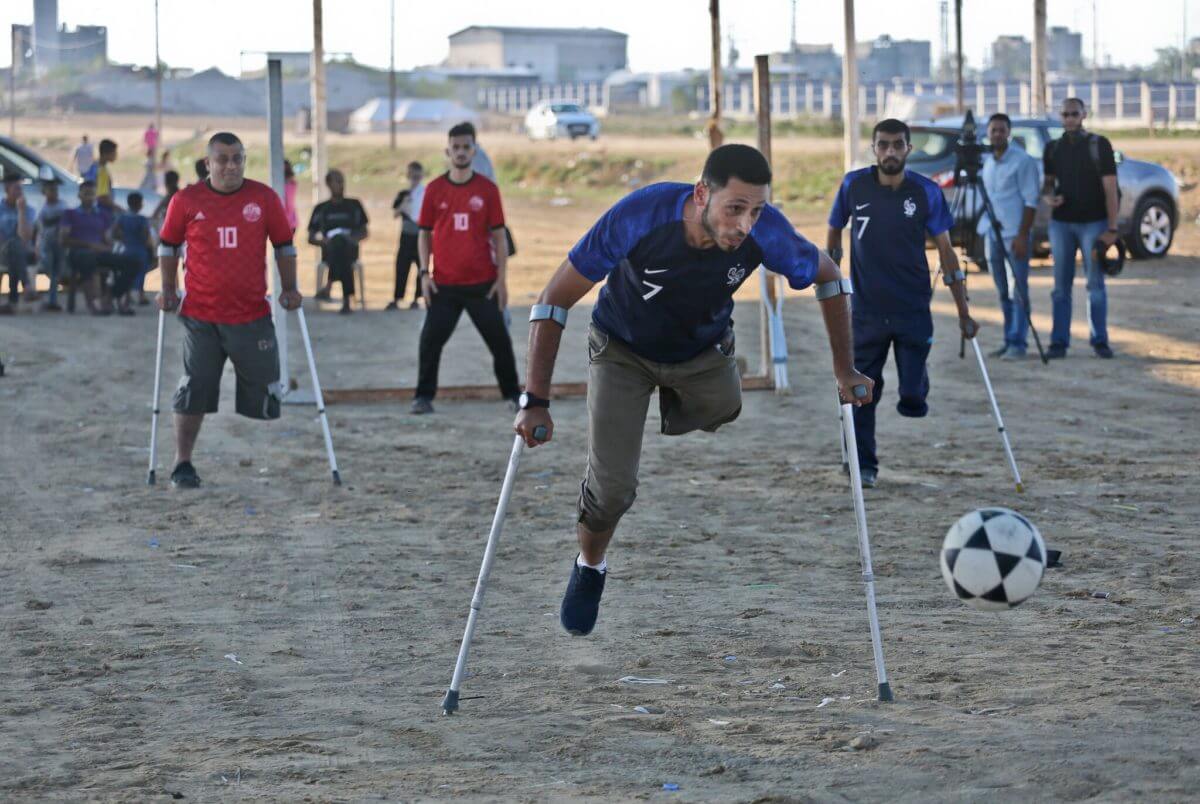
Dramatizing the blockade of Gaza, 14 Gazan soccer players who have lost a leg to Israeli fire played a match simulating France and Australia’s game in the World Cup in Russia tomorrow. The players sometimes used their crutches to kick the ball. Two goals were scored.

Israeli forces dropped leaflets by drones on the Gaza Strip Thursday, warning residents “not to get close to the border or try to attack Israelis”. The leaflets said, “Residents of the Gaza Strip! Greetings, and may Ramadan bring you blessings,” the leaflets said. “A wise man considers the results of his actions in advance and chooses the action whose benefits outweigh the costs…

For a first time since 1967, two wooden boats set off from Gaza heading to Cyprus on Tuesday, charting their course in protest of Israel’s decade long siege. The vessels carried students attempting to attend university, patients seeking medical treatment abroad, and protesters from the Great March of Return who were wounded with live-fire. Five hours after leaving the dock, the Israeli Navy intercepted the boats arresting 17 passengers while they were 9 nautical miles off the shores of Gaza. “This bid is a scream to the whole world that the Gaza seaport should again carry passengers and goods to Haifa and Jaffa, it is a scream again that the Gaza’s people will not afford the life under blockade,” said Adham Abu Selmeyeh, a spokesman for the International Committee to Break the Siege on Gaza.

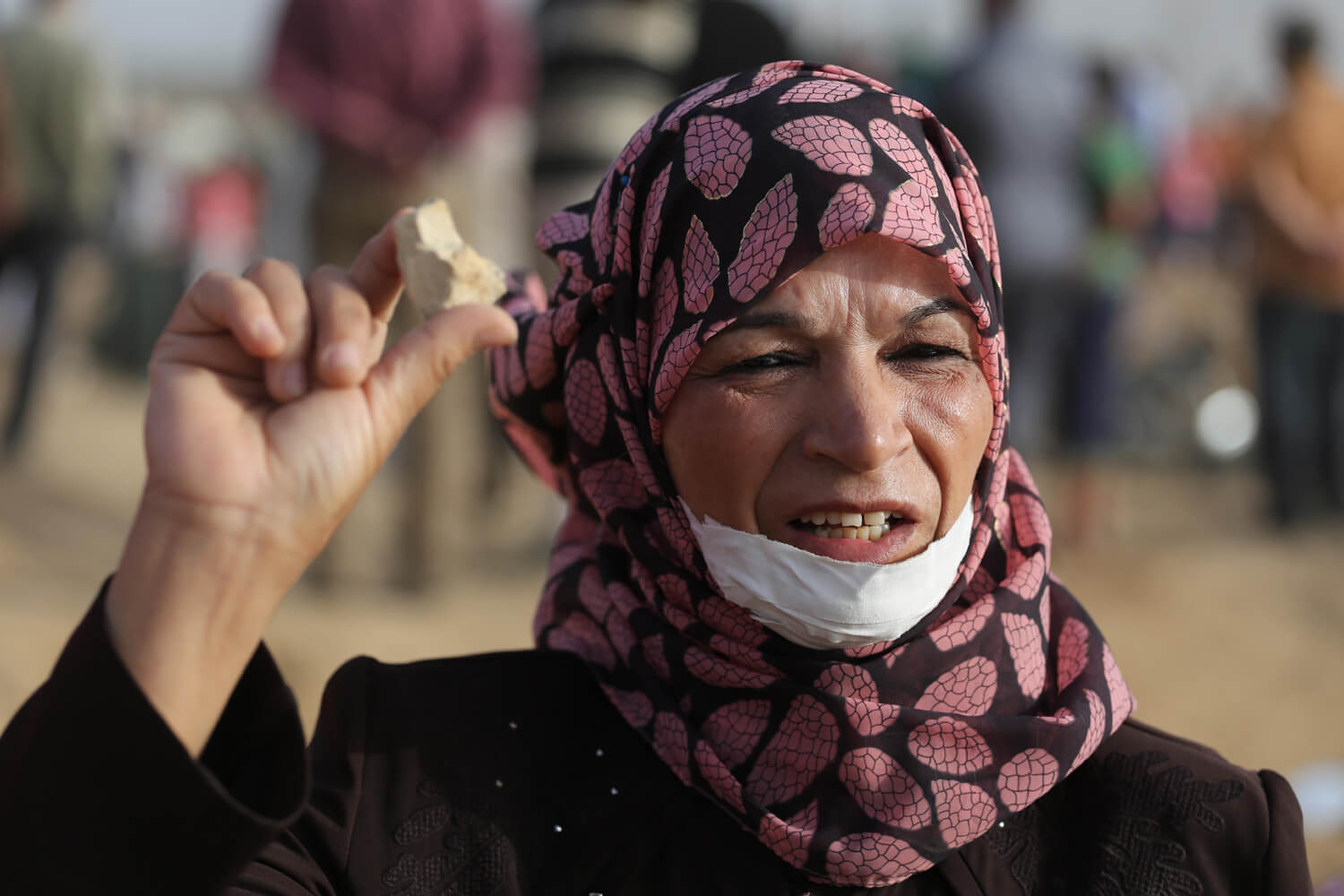
Sabah al-Salibi collected dozens of small stones with her daughters, Susan, 22, and Rawand, 24. She said she wanted to pass them to the demonstrators whose eyes were blurry from teargas “to save them time by finding suitable stones” to throw at Israeli snipers hidden behind earthen berms at the Gaza – Israel fence. “Although these stones are small and few, but are stronger than their bullets and gas canisters,” al-Salibi said.