Some of Palestine’s allies seem more comfortable with Palestinians as victims of Israel’s colonial rule than agents of their own liberation. Palestinians need support when they fight, not only when they die.


Some of Palestine’s allies seem more comfortable with Palestinians as victims of Israel’s colonial rule than agents of their own liberation. Palestinians need support when they fight, not only when they die.

Labeling every part of Gaza as connected to Hamas makes every part of Gaza a legitimate military target. This is what Israel did with the Gaza Health Ministry and Al-Shifa Hospital, echoed uncritically by Western mainstream media.

Ever since October 7, Israeli prison authorities have unleashed a brutal campaign of repression against Palestinian prisoners, including severe beatings, humiliation, and the deprivation of food, health care, and basic amenities.

Question for the American Psychological Association: How does one pontificate about moralism and, in the same breath, actually do harm by silencing thoughtful voices asking for an end to genocide?

Dismissing resistance to colonialism as terrorism deprives Palestinians of the basic right of political organization, and portrays Palestinian action as violent nihilism.

Many details of what transpired on October 7 continue to be shrouded in mystery, including how the 1,400 Israelis who died were killed. A growing number of reports indicate the Israeli military was responsible for civilian and military deaths.

Israel is putting its commitment to Jewish supremacy above the functioning of its healthcare system, proposing rejecting graduates of Palestinian universities in favor of “Jewish purity.”

After experiencing so many wars, we’re so damaged that we don’t feel like we’ll ever recover.

The largest Jewish denomination in the US, Reform Jewry, showcased a leader of the dispossession of Palestinian lands at its biennial last week: the head of the Jewish National Fund. So the Union for Reform Jewry has embraced the violence inherent in Zionism. Shouldn’t Jews debate this?
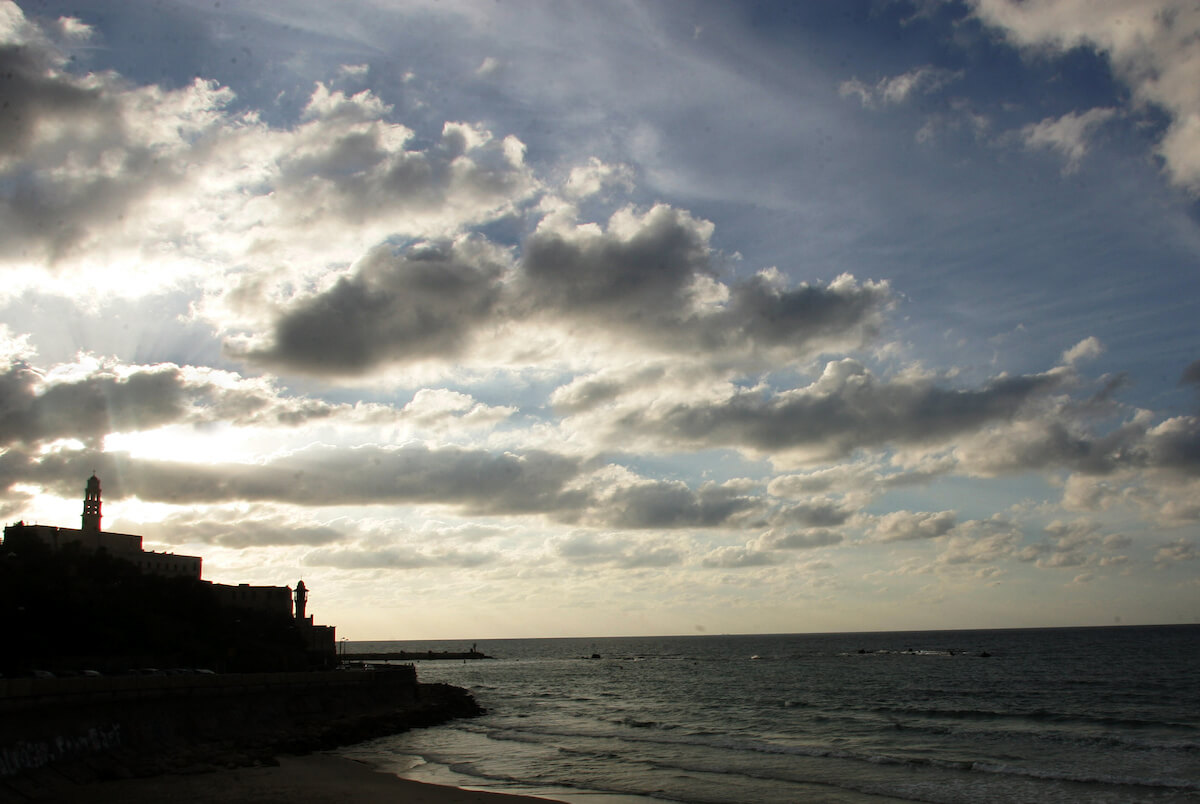
A professor visits two of her Palestinian students in Ramallah and together they sneak into Jerusalem for a joyride to Jaffa: “Our car never stopped but took a pause, then zoomed forth. Malak announced, ‘I would like to notify you that we’re in Jerusalem right now.’ The two of them suddenly yelled with sheer elation, ‘We made it! We’re going to Yaffa!’ I had seen Malak on celebratory highs before, having seen him accomplish truly amazing things as an undergrad. But I had never witnessed the degree of outpouring of elation I was seeing from him now. I knew what Yaffa meant to him, as he had written about it and spoken about it on more than one occasion. He loved the sea, and he loved Yaffa. It had been taken from him. It was his home, his family’s home. At 22 years old, he had only seen the sea from Yaffa a handful of times – he had never swum there.”