On this year’s anniversary of the Qana massacre, Israel violated Lebanese sovereignty again. But every day in Lebanon bears memories, traumata, or threats of Israeli aggression.


On this year’s anniversary of the Qana massacre, Israel violated Lebanese sovereignty again. But every day in Lebanon bears memories, traumata, or threats of Israeli aggression.

Western media has rationalized the recent Israeli attacks on Gaza by focusing on on Israel’s fears. Denijal Jegic writes these “fears” are a reflection of the structure that underlies the relationship between the settler-colonial state and the indigenous population.
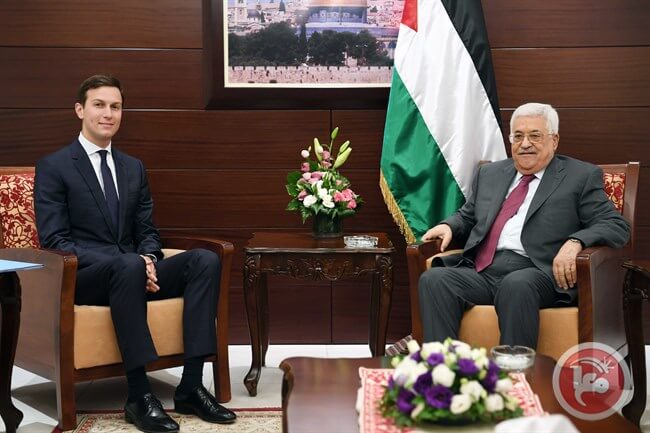
The framing of the Palestinian struggle within diplomatic language as a “conflict” serves to convert settler-colonial violence and genocidal erasure of the indigenous people into a diplomatic dispute. Denijal Jegic writes, “as long as settler-colonial erasure remains the underlying structure, no economic relief or political measure could effectively benefit Palestinians.”
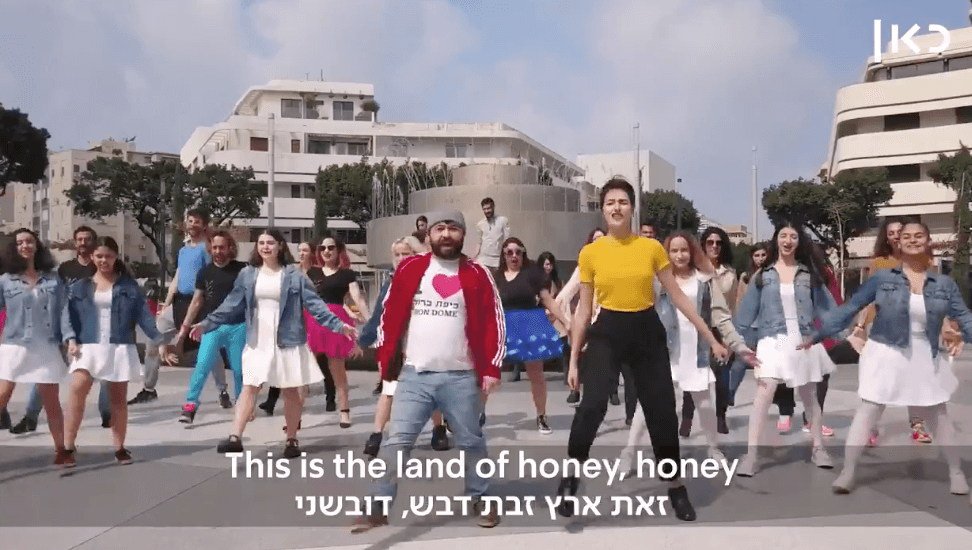
This year’s Eurovision Song Contest is taking place in Tel Aviv. The popular music event could be a great propaganda opportunity for Europe’s last colony. But government-funded Hasbara continues to recycle the same colonial myths, trying to conceal settler-colonial inscription and indigenous erasure behind colorful pictures of sun, sea, rainbow flags, and shawarma.
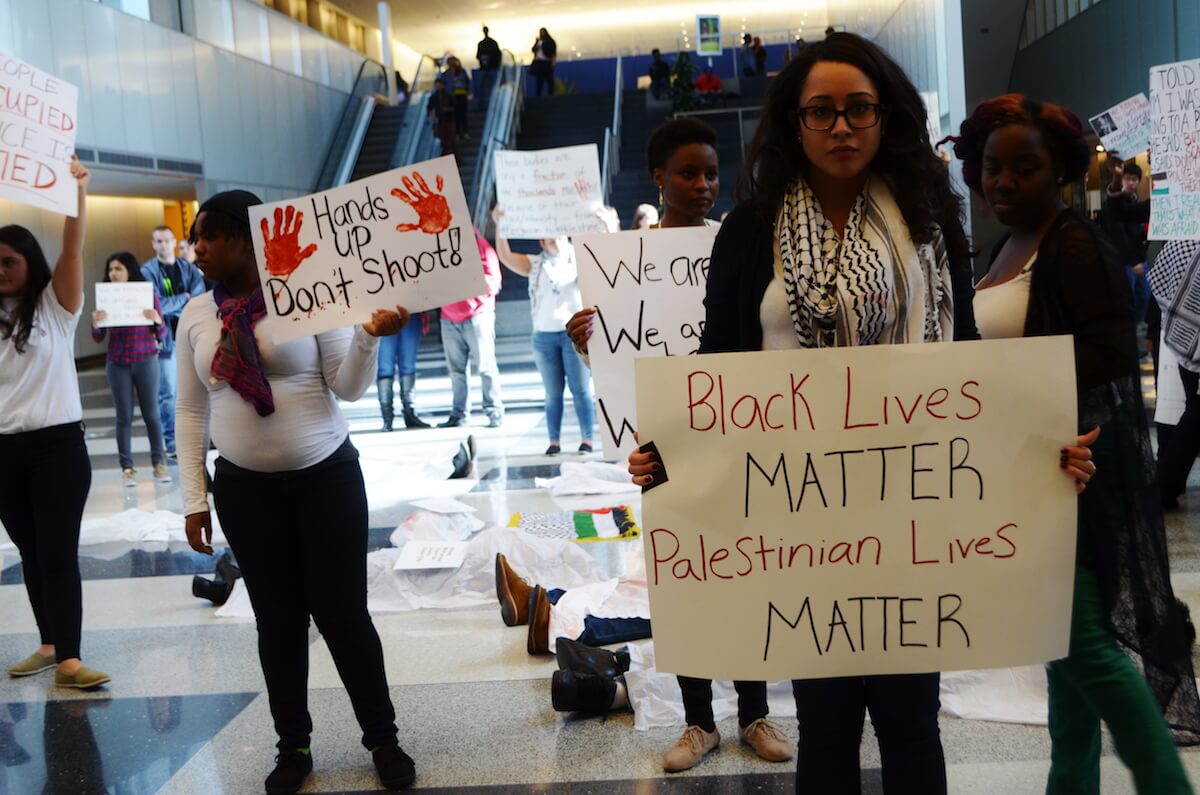
Zionism has traditionally enabled the oppression of diverse population groups globally. Denijal Jegic writes that intersectional and transnational analyses of Zionism are thus inevitable as they help disclose the crucial relationship between Israel’s various victims, dispel the myth of an alleged “Israeli-Palestinian conflict,” explain Zionism as a transnational imperialist-colonialist force, and eventually strengthen de-colonial resistance.

While apartheid, military occupation, and even ethnic cleansing, have at times surfaced in mainstream discussions, these phenomena are not Israel’s ultimate crimes. They are means to control Palestinian lives and, as such, symptoms of the ongoing Nakba. But they are effectively part of a structure that is rarely verbalized: Israel’s genocide of the Palestinian population.