The New Yorker runs a long article about an Israeli TV series involving an Israeli military unit in the West Bank, and it’s filled with the usual shooting-and-crying theme — the oh so sensitive but tough Israelis telling an American journalist about the occupation.
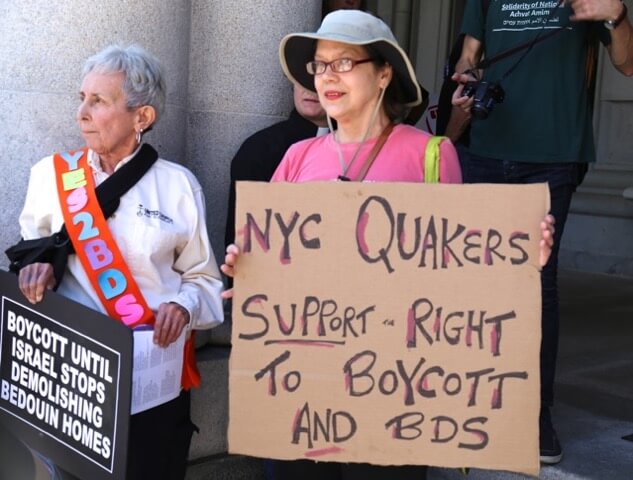
There are two claims one hears from people opposed to any serious action taken in favor of Palestinian rights. Anti-Zionism is anti-Semitism. And BDS unfairly singles out Israel and therefore (you guessed it) is anti-Semitic. Here are the short answers those claims deserve.
In the New York Times, Nikil Saval treats the hostility leftwingers feel towards centrist liberals as unfair. He mentions some past issues, like Vietnam, but he doesn’t dare mention Iraq or Libya or Israel, and tie them together into the critique that leftwingers justifiably have today of liberal interventionism and liberal hypocrisy on war and peace issues.
After an article quoting a science fiction writer making a mistake that any high school science nerd would spot — the energy of the asteroid that killed off the dinosaurs — the New York Times corrects the error, but does so in a way calculated not to reveal the sloppiness of the original.
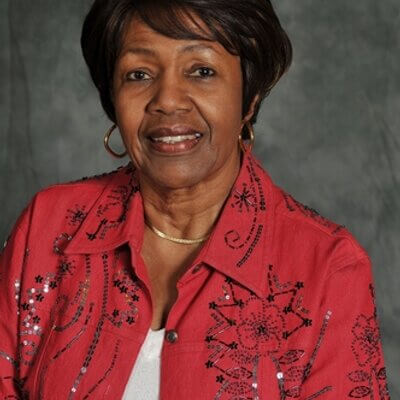
Westchester County legislative committee passes a resolution describing BDS as a campaign to “malign the Jewish people,” by a 12-1 vote despite efforts of human rights activists. Sole holdout is Alfreda Williams. “It’s a lost cause, perhaps, but in my experience, most good causes begin as lost,” writes Priscilla Read.
An honest press account of the Syrian war would still make Assad look like the war criminal he is, but the negative effects of our massive military aid to Assad opponents and the complexity of the war are ignored in favor of one sided moralizing with us as the good guys who haven’t intervened enough. Indeed, some liberals in the press prefer Trump to Obama in Syria.
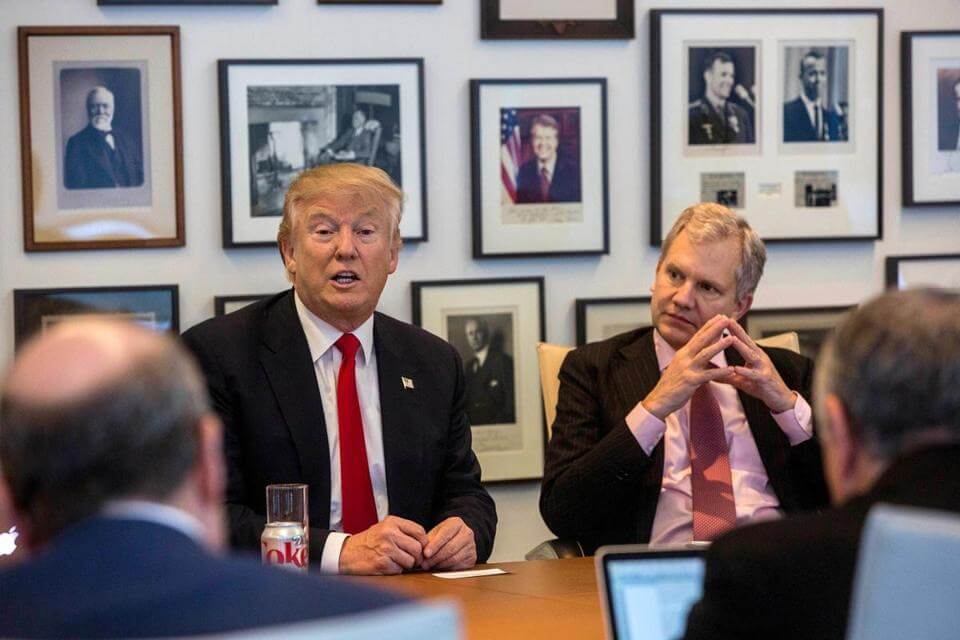
How can the New York Times print a piece about Russia Today as propaganda on March 9 — “RT is unquestionably a case study in the complexity of modern propaganda” — and two days later publish a piece like this and keep a straight face? “Allies Fear Trump Is Eroding America’s Moral Authority.”
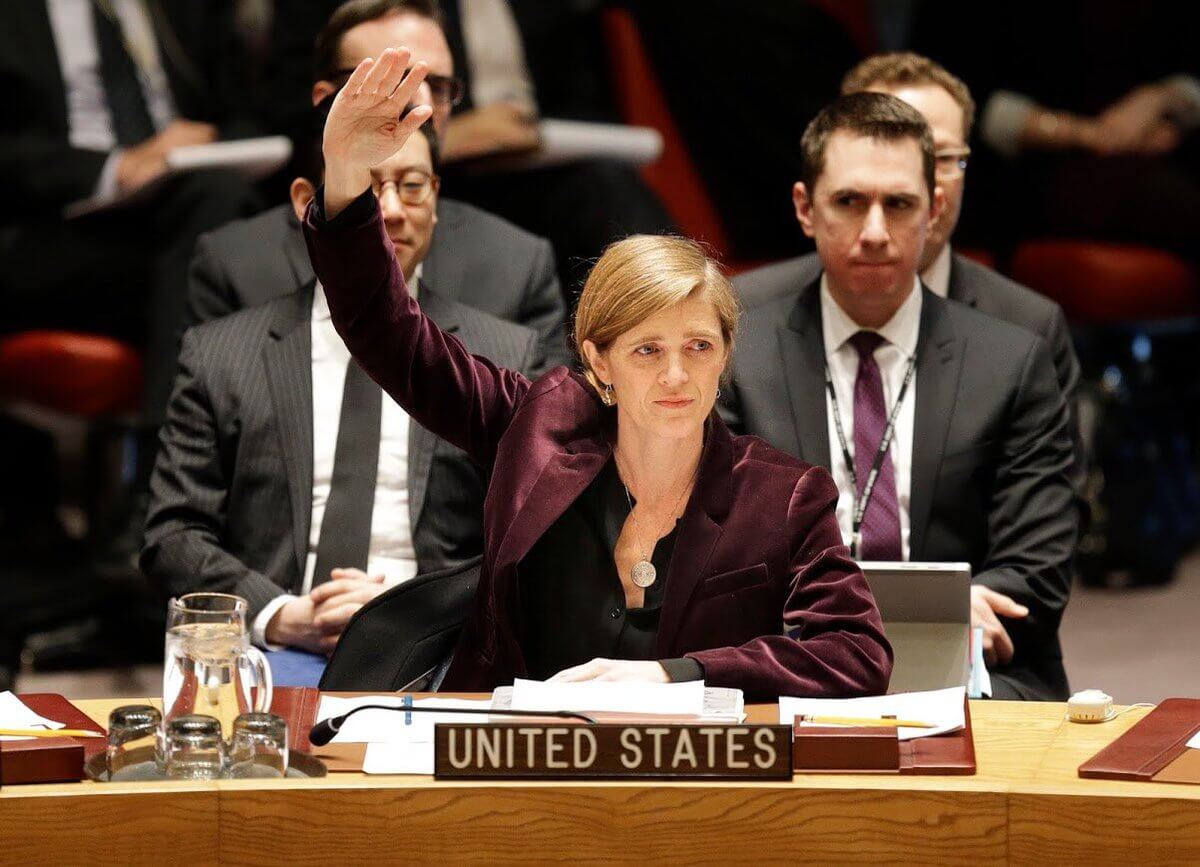
In eulogizing the late Russian ambassador Vitaly Churkin in the New York Times, Samantha Power may be describing how she sees herself: someone who wants peace but works within the system and covers up or whitewashes the brutal atrocities supported by the government she represents. This piece might be a kind of absolution Power is granting herself. But why is the NYT publishing this propaganda?
Rosa Brooks, former Pentagon official, reviews a gushing book on Israeli military achievement in The New York Times and dares to tell readers that more than half US military aid in the world goes to a country that demolishes Palestinian homes and expands settlements, in violation of international law.