The talks between Iran and the U.S. set to begin today have a chance to succeed if the Trump administration grounds its policy in the realities of Iran’s nuclear program, not fearmongering promoted by Israel and its allies.
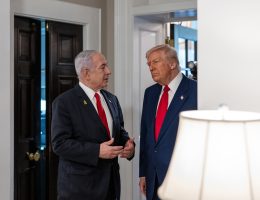

The talks between Iran and the U.S. set to begin today have a chance to succeed if the Trump administration grounds its policy in the realities of Iran’s nuclear program, not fearmongering promoted by Israel and its allies.

Recent aggressive moves by the Trump administration have clearly been meant to threaten Iran. While this pressure might be an attempt to intimidate Iran into nuclear concessions, the threat of all-out war appears to be growing by the day.

It appeared that Arab states would present a united front to avoid widespread ethnic cleansing in Gaza, but the United Arab Emirates is undercutting those efforts with the Trump administration in order to cement its future influence in Palestine.

Trump’s motivations are often unclear, but the recent U.S. bombing campaign on Yemen was clearly meant to stop Ansar Allah’s attacks on Red Sea shipping — and to send a message to Iran.

The Trump administration’s direct negotiations with Hamas have broken precedent and angered Israel. Envoy Adam Boehler defended them to CNN saying the U.S. is “not an agent of Israel,” but how much daylight exists between the allies?

While Israel and the United States are working together on a plan for Gaza, they have slightly different interests. This gap is opening space for regional Arab leaders to propose an alternative vision that avoids full-scale ethnic cleansing.

As the first phase of the Gaza ceasefire comes to an end it is clear the Trump White House has no substantive policy for the region. Israel is filling that vacuum with perpetual war.

Secretary of State Marco Rubio’s first trip to the Middle East made clear that Donald Trump is driving U.S. policy and largely adopting Israel’s belligerent stance in Gaza and Iran. The question remains whether the rest of the region can stop them.

Arab leaders face increasing pressure from the White House to support the ethnic cleansing of Palestinians. As they prepare an alternative proposal for Gaza it seems unlikely they can satisfy both Trump and their own citizens.

Even though Donald Trump’s call for the U.S. to “own” the Gaza Strip is completely infeasible, there is a real danger he may take steps to pursue this idea, which will be extremely destructive.