Author

Sheren Khalel

Browsing

Palestinian forces on Monday evening arrested Palestinian peace activist Issa Amro for a Facebook post he published condemning the Palestinian Authority (PA) for detaining journalist and radio director Ayman Quwasmeh the day previously. “It is outrageous that a prominent human rights defender has been arrested simply for voicing his opinion online. Criticizing the authorities should not be a criminal offence. Issa Amro’s arrest is the latest evidence that the Palestinian authorities are determined to continue with their repressive campaign against free speech,” Magdalena Mughrabi, Deputy Director for the Middle East and North Africa at Amnesty International, said.
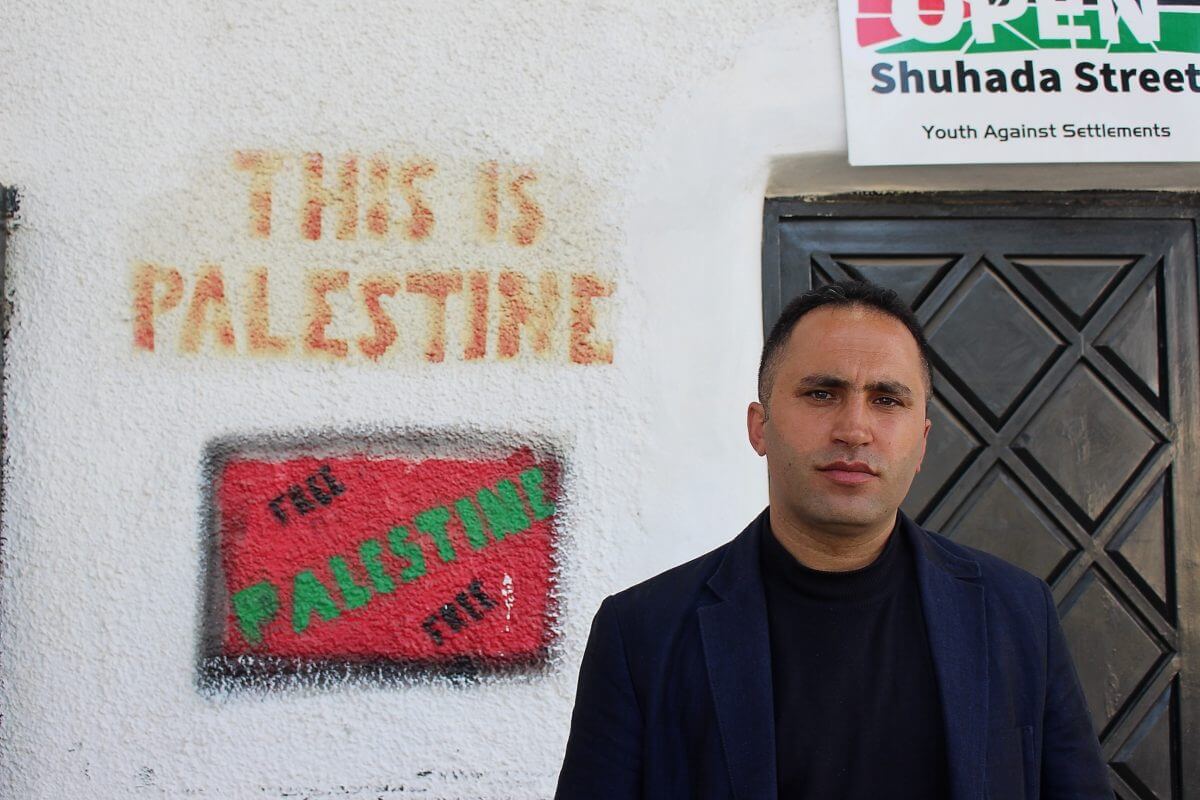
An Israeli military order granting official administrative status to Jewish settlers in Hebron violates the 20-year-old Hebron agreement struck between Yasser Arafat and Benjamin Netanyahu. “This order is against everything we’ve made here, it’s against all the agreements, all the treaties and older orders we have worked hard to slowly establish,” Bassam Shweiki, a Palestinian leader, says.

Suha and Yafa Jarrar have come to accept that their family is never safe. Being the daughters of Khalida Jarrar, a well-known leftist lawmaker in the occupied Palestinian territory, brought its challenges, but the young women are proud of their parents for their involvement. “No matter how hard it has been, we could never fault our mother for her involvement in politics, even if it can be dangerous, it is something she is passionate about and she always encouraged us to follow our passion,” Suha says. “So we will always support her in hers.”

In late July, dozens of Israeli settlers raided and occupied the Abu Rajab family home in the Old City of Hebron near the Ibrahimi Mosque. Since then they have slowly moved in under the constant protection of armed Israeli soldiers. Abu Rajab family members are now subjected to daily harassment from the settlers, while soldiers control the family’s every move in and out of the parts of the home where they have been able to remain.

While Palestinian protesters are generally armed with rocks and a few sporadic Molotov cocktails, Israeli forces are armed with some of the world’s leading crowd control weapons that they designate as “non-lethal.” But medical professionals say that considering tear gas, rubber-coated steel bullets, sponge rounds and .22 caliber live bullets as non-lethal is misleading. Mondoweiss spoke with Doctor Nasser al-Jaberi, the Director of the Emergency Room Department at the West Bank’s Arab Society Hospital, to get a better idea of what these weapons are capable of.

The West Bank village of Al-Walaja is stuck in the “seam zone” between by Israel’s separation wall to the east and the Green Line to the west. The only one road in or out of the village is shared by the illegal Israeli settlement of Gilo and looks more like a prison compound that a residential community. There are currently 28 homes in al-Walaja with Israeli demolition orders issued, but local activists are working to find a way to help protect the homes under threat. “We are a small village yes, but if they think that means they can kick us out and empty Palestinians from this land in order to connect their settlements, then they are wrong,” Khader al-Araj, head of the Al Walaja village council, tells Mondoweiss. “We will fight this, we aren’t going anywhere.”

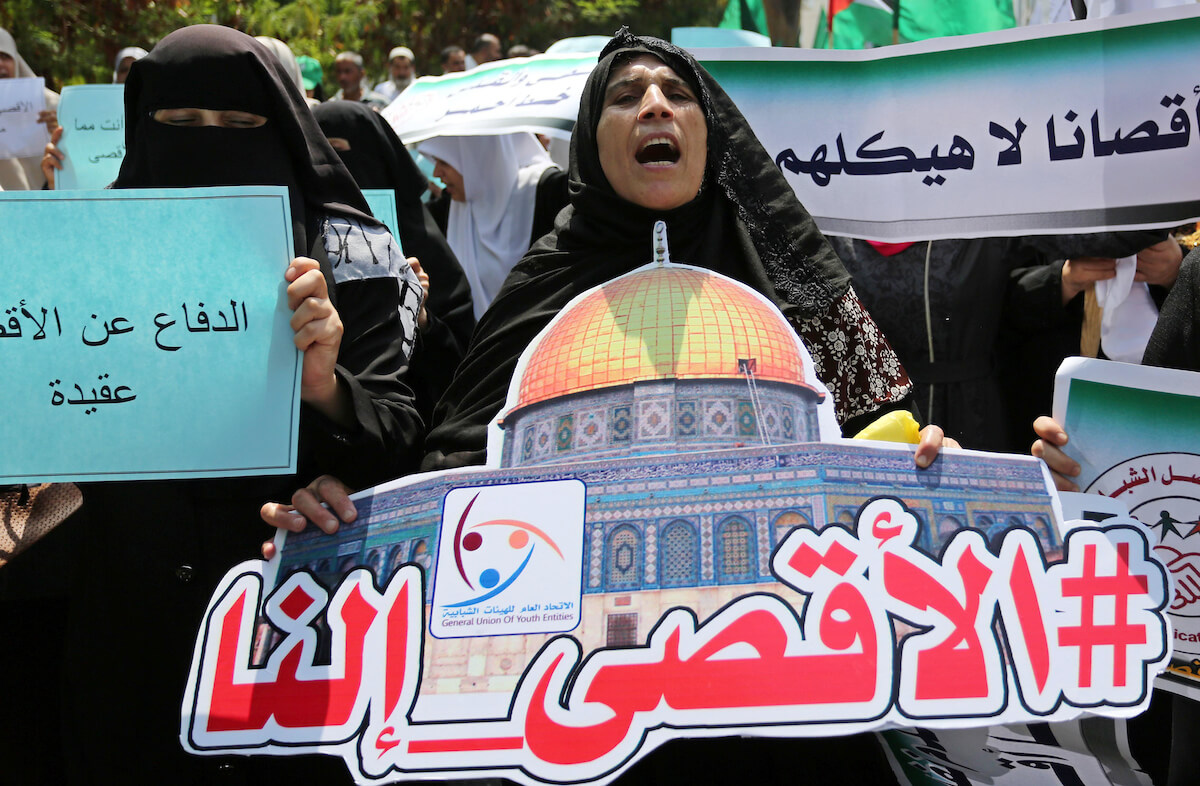
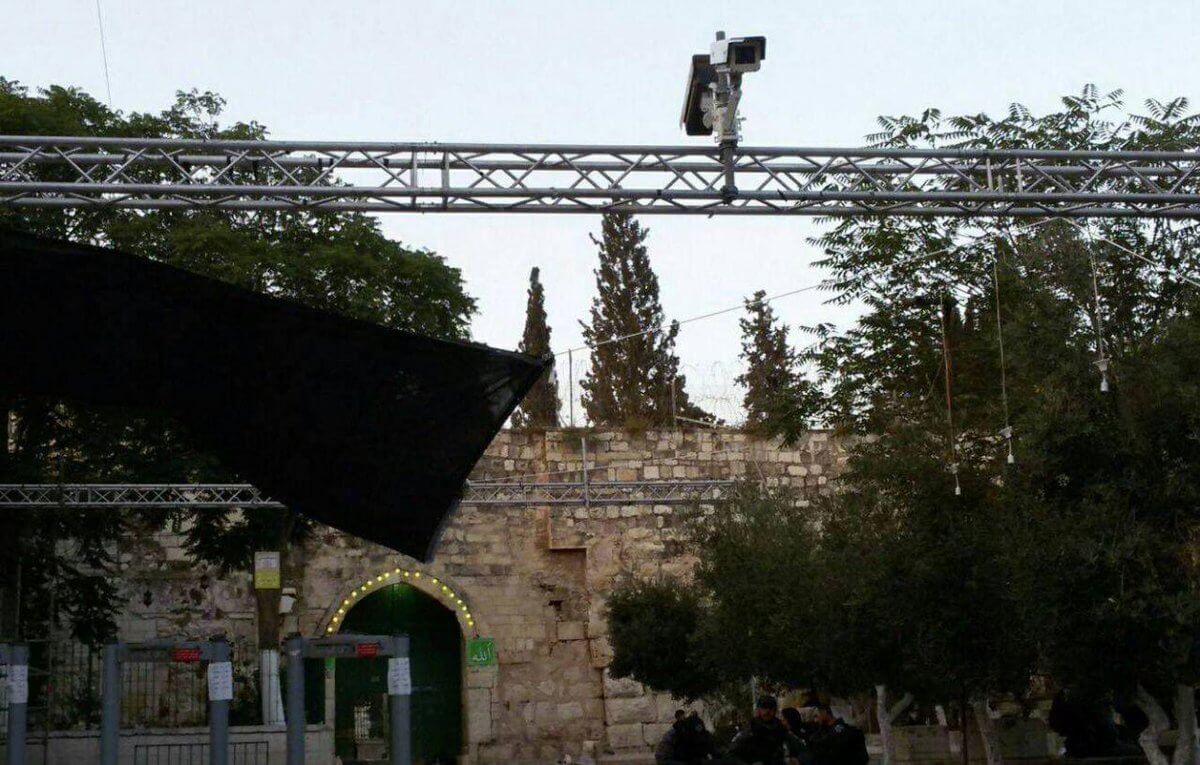
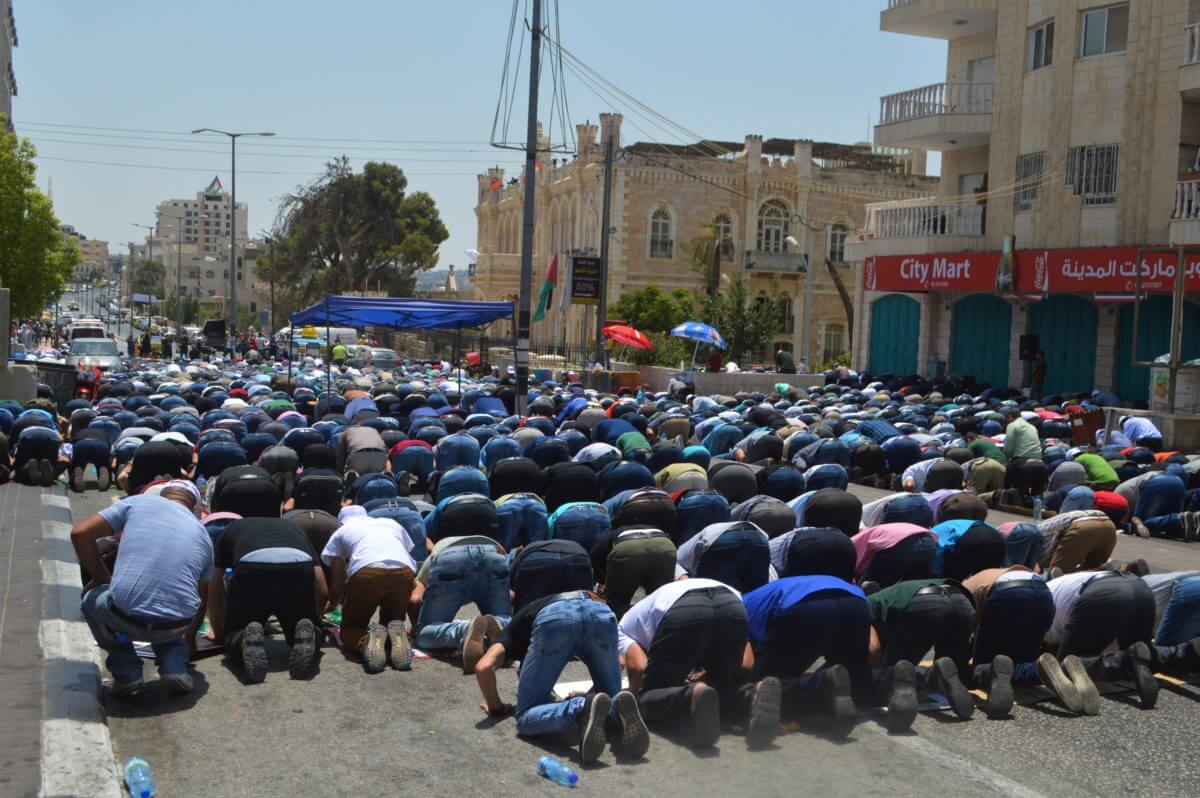
Israel’s security cabinet announced late Monday evening that metal detectors installed at the gates of the al-Aqsa mosque compound would be removed and replaced with “smart cameras,” following more than a week of protests and upheaval against the new security measures following a deadly shooting at the site. Munther Amira, the head of the Popular Struggle Coordination Committee in the West Bank, told Mondoweiss, “Nothing about this is acceptable, the only option we accept is the to return the status of the mosque back to the status quo without cameras or any other additions.” Amira said Palestinians view the extra security measures as a way for Israel to exert its control over the al-Aqsa mosque.

Israeli authorities on Monday installed extra security cameras around the entrances of the al-Aqsa mosque compound, Member of the Israeli Knesset’s Arab Joint List, Aida Touma-Suleiman, confirmed to Mondoweiss. The newly installed security cameras were added amid growing unrest and daily clashes over security measures instituted ten days ago following a deadly attack near the site.