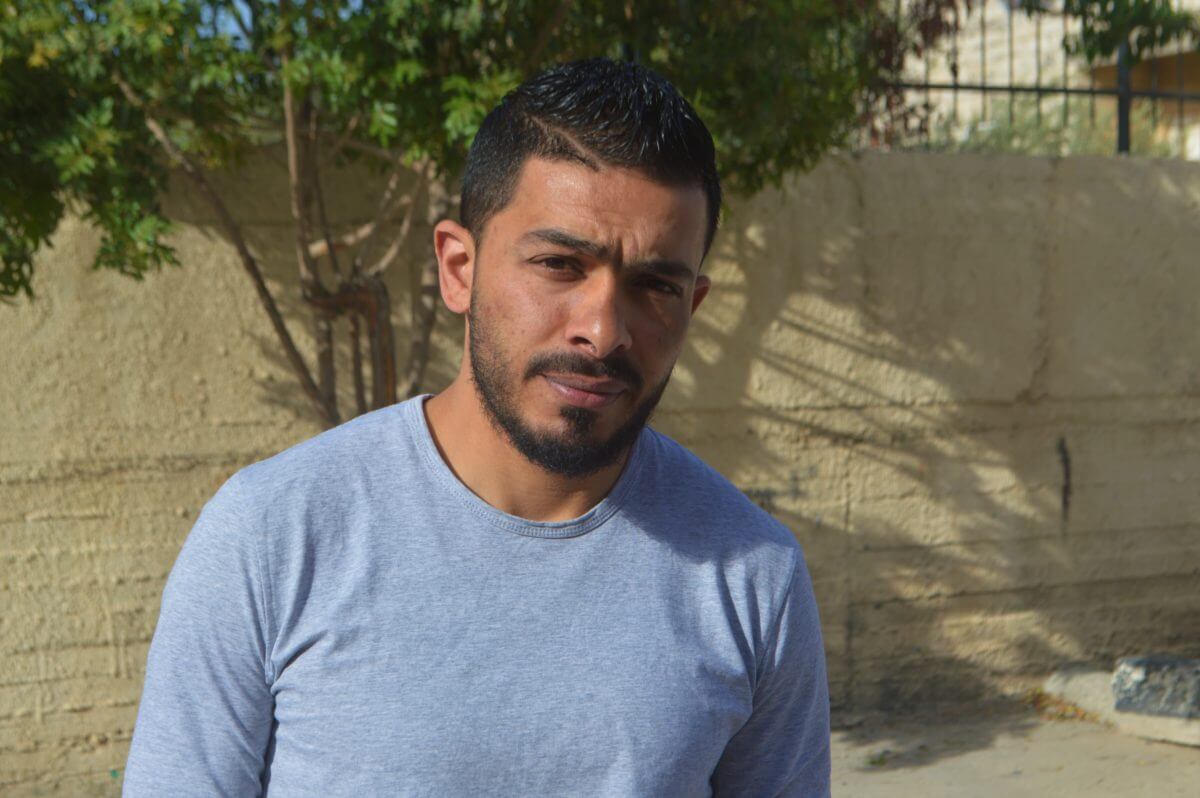
Khalid Saifi was only ten years old when the 1967 war happened. Much of his memories come in bits and pieces, but some moments will stick with him for the rest of his life. Khalid’s father, a refugee who fled from al-Walaja village in 1948, refused to flee yet again, however Khalid’s mother was adamant she get her two youngest children, Khalid and his little sister, out of harm’s way. “My mother decided to stay longer at the crossroads with me and my little sister, so we stood there in the middle of the intersection and watched my two sisters and their husbands walking away in opposite directions for a long while,” Khalid remembers. “My mother stood there watching them. I remember that image so clearly — her standing there watching my sisters walk and walk off into the distance.”
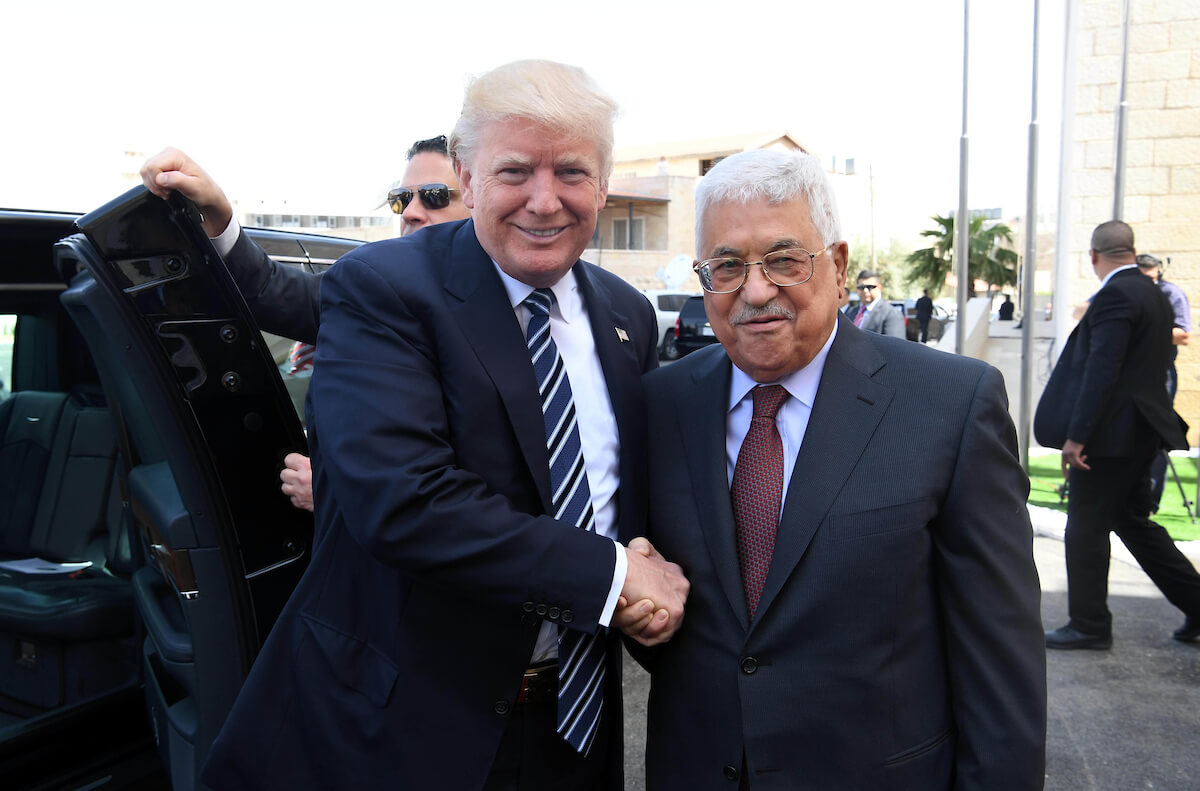
The Palestinian Authority did its best to impress Donald Trump during his visit to Bethlehem, repainting roads, cleaning up the streets and hanging U.S. flags all along his scheduled path, but the opinions of Palestinian activists ranged from critical to enraged at the U.S. President’s visit and the possibility of renewed peace talks under U.S. leadership.
A source with the Palestinian Liberation Organization (PLO) close to the Negotiation Affairs Department vehemently denied allegations made on Saturday, which stated that Palestinian President Mahmoud Abbas was planning on proposing a deal that would give up 6.5 percent of Palestinian lands in negotiations during U.S. President Donald Trump’s upcoming visit on Tuesday.
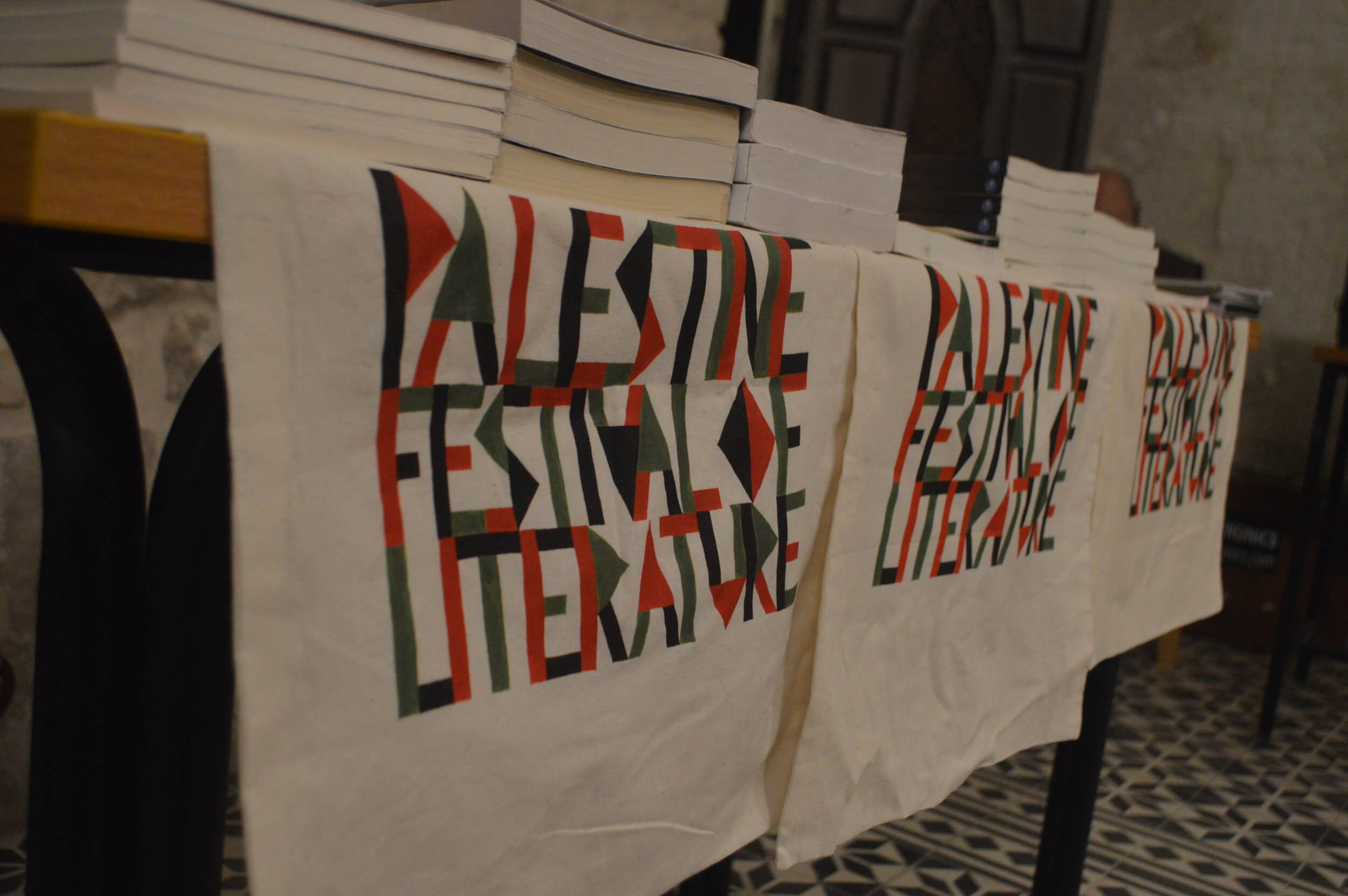
The Palestinian Festival of Literature celebrated its 10th year in 2017. With a slew of respected artists and writers on its program, the festival met in cities across the occupied West Bank and Israel. From Haifa, to Ramallah, to Nablus and Jerusalem, the festival once again brought people from across the world to the stage.
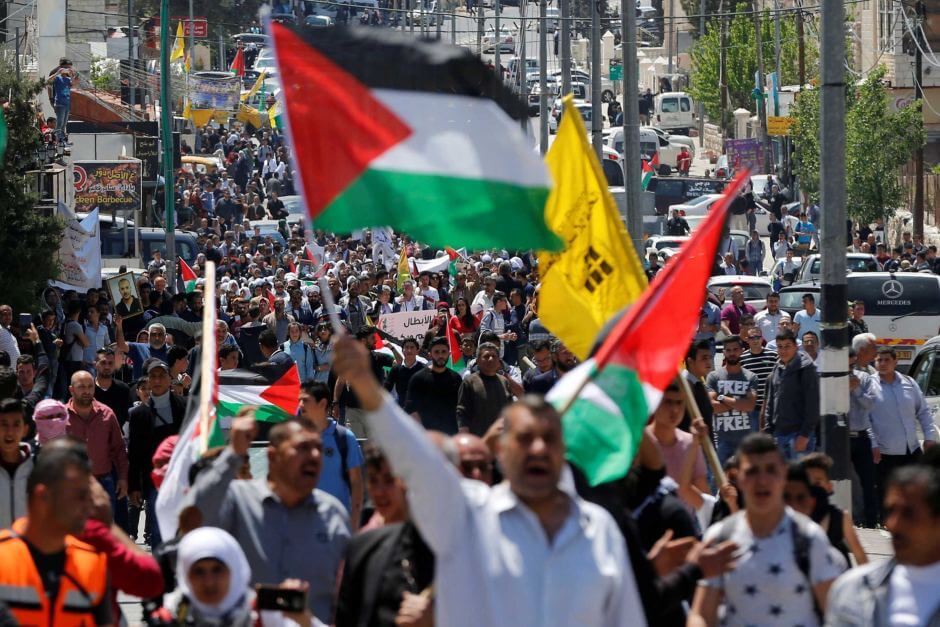
Palestinians on Monday commemorated the 69th anniversary of the Nakba, meaning “catastrophe,” during which over 750,000 Palestinians were forcibly displaced from their homes in 1948, as Israel was declared a state. While the Right of Return for Palestinian refugees is generally at the center of all Nakba day commemorations, this year Palestinian prisoners took the front seat.
Last Sunday 16-year-old Fatima Hjeiji was shot dead by Israeli forces as she approached a group of five Israeli border police officers in Jerusalem, allegedly carrying a kitchen knife with the intention of attacking them. Sheren Khalel talks to her family who remembers the teen as an activist, poet, and stellar math student. “Even though Fatima was a young girl, she had a very strong personality — very strong,” Fatima’s grandfather says. “Ever since she was a little kid she was always carrying the Palestinian flag, speaking about Palestinian land. She went to Jerusalem to be in solidarity with the prisoners, she went to Jerusalem for Palestine.”
Firas Nasrallah had a rash for four years while in an Israeli prison. For the ten years Mohammad Fathy was imprisoned, his father was never allowed to visit him. Similar cruel conditions are the reason that jailed Palestinians are leading a hunger strike.
Sheren Khalel reports on the memorial ceremony that marked Basil al-Araj’s status as a “martyr” in his West Bank hometown of al-Walaja, “Less than two months after his death, the image of Basil al-Araj, clad in a red checkered keffiyeh loosely wrapped around his neck and thick black-rimmed glasses settled over a thoughtful expression has become iconic. Palestinian youth have swapped their profile-photo-selfies for the slain leader’s image across social media circles. The image appears on local artwork, graffiti murals, t-shirts and posters from Haifa to Hebron.”
Three years ago Palestinian soccer players Adam Jamous and Jawahar Halbiyeh were attacked by Israeli forces on their way home from practice in occupied Jerusalem. Both players were shot in their legs, Jawahar 10 times and Adam three times, ending their playing careers. Today, as FIFA considers the future of Israeli teams based in illegal West Bank settlements, the ex-players say the future of Israeli teams is less important than the rights of Palestinians: “Let them keep the settlement teams, but stop Israel from holding our players for hours at checkpoints, imprisoning and shooting us. By the time we were 17, which is when a player is really preparing to go professional, at least 50 percent of our team had been arrested by Israeli forces.”
Palestinian prisoners declared a mass open-ended hunger strike entitled “Freedom and Dignity” on Monday — Palestinian Prisoners day — eliciting an immediate crackdown from Israeli authorities. Prisoners from across the political spectrum have pledged their allegiance to the strike, with some estimates reporting up to 2,000 participants, the largest mass hunger strike undertaken by Palestinian prisoners in recent years. Following the strike’s launch on Monday, Israeli authorities declared that hunger striking prisoners would be barred from family visits for as long as the strike continues.