Author

Sheren Khalel

Browsing

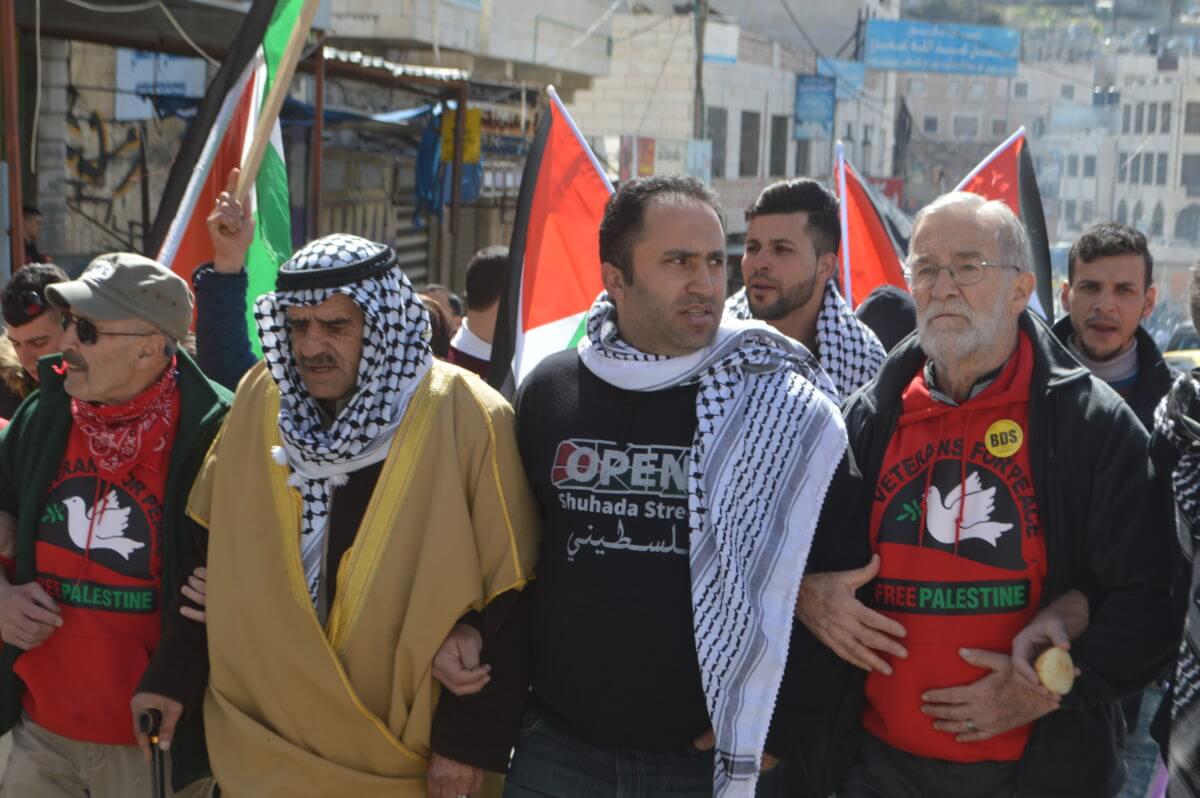
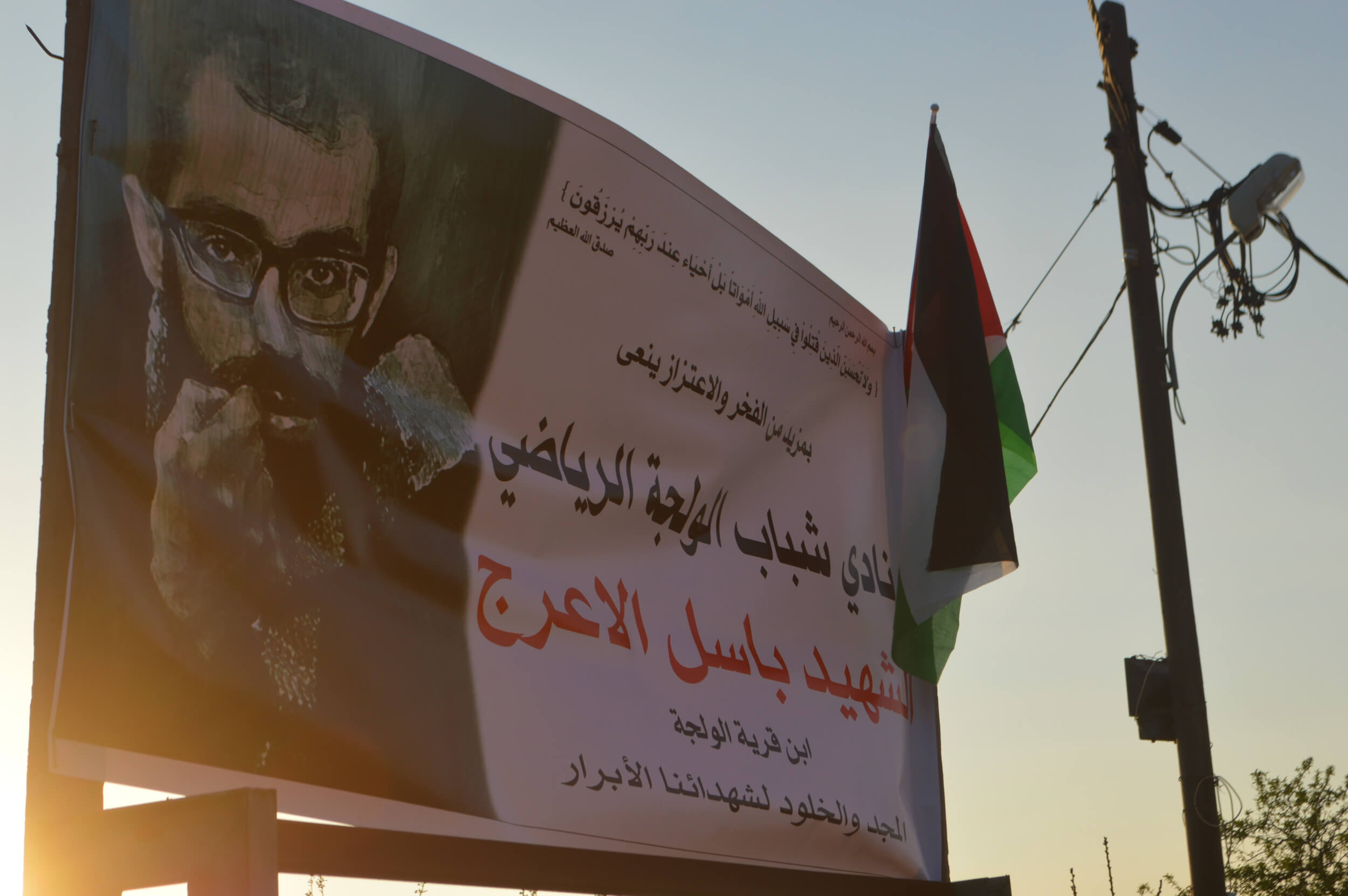
Mahmoud al-Araj, the father of slain Basil al-Araj, left his home on Sunday expecting to take part in a peaceful demonstration outside a courthouse in Ramallah where a judge officially dropped an investigation into his son. He ended up in the hospital after getting caught in the middle of a chaotic crackdown by Palestinian Authority (PA) forces wielding heavy batons, and shooting pepper spray and tear gas at Palestinians protesting the death of Basil, the imprisonment of his five friends and the court’s decision to pursue charges against them for allegedly storing illegal weapons.
On his second long-term hunger strike in the past year, Palestinian journalist Mohammed al-Qiq’s health is deteriorating faster than anyone expected, leaving his family to plea for support before it is too late. “If Mohammed were to quit his hunger strike now, the first one that almost killed him would be for nothing, so he feels he must continue his strike—not just for himself, but for all the other Palestinian prisoners on strike against their administrative detention as well — they must stay strong together,” Fayha Salash, Mohammed’s wife, tells Mondoweiss.

Michael Sfard, an Israeli lawyer and political activist specializing in international human rights law, tells Mondoweiss it is difficult to know how Israel’s controversial new law aimed at barring boycott activists from entering the country will actually be enforced, but he says the law is in direct violation of international law. “Countries have wide discretion to allow are deny entry to foreigners,” Sfard says. “However, International Human Rights Law prohibits discrimination on the basis of a person’s opinion and provides freedom of conscious and thought. The law is definitely a violation of both.”

Palestinian activists say life in Hebron has become unbearable, and that international intervention is the only hope to ease the daily tensions and violence carried out by Israeli settlers against Palestinians in the city. “We are fighting a just cause, we are trying to end the occupation and get our human rights, our city, and our country back and bring the occupation government to justice for their illegal actions and crimes, but we need international support,” activist Farid al-Atrash tells Mondoweiss.

Donald Trump’s pick for the U.S. ambassador to Israel has turned out to be one of the most controversial appointments in recent years, with five former U.S. ambassadors to Israel condemning the pick, calling David Friedman “unqualified for the position” due to his “extreme, radical positions.” While Friedman’s appointment has also been condemned by Jewish Americans as well as international human rights groups, Palestinian Americans, in particular, feel disenfranchised by the prospect of a Friedman appointment.

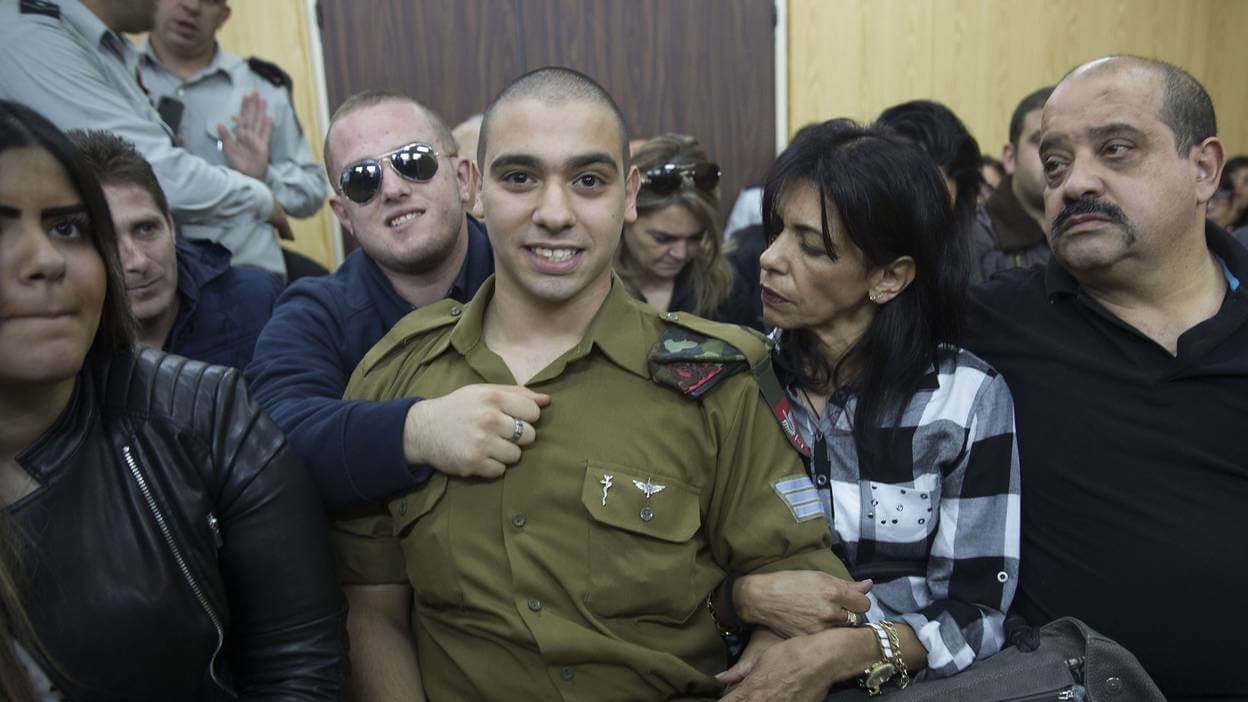
An Israeli court on Tuesday sentenced Elor Azaria to 18 months in prison, one-year probation and a demotion of his military rank, a month after the Israeli soldier was found guilty of manslaughter. Azaria shot and killed Abd al-Fattah al-Sharif in March after al-Sharif had already been shot and injured following an alleged attempted stabbing attack in Hebron. The main evidence in the case was footage caught on camera by Imad Abu Shamsiya, a Palestinian resident of Hebron who tells Mondoweiss, “There is no justice for the family. They lost a member of their family in a very brutal way, this 18-month sentence is not justice for the family, for the Palestinian people or our nation — no one got justice from this.”

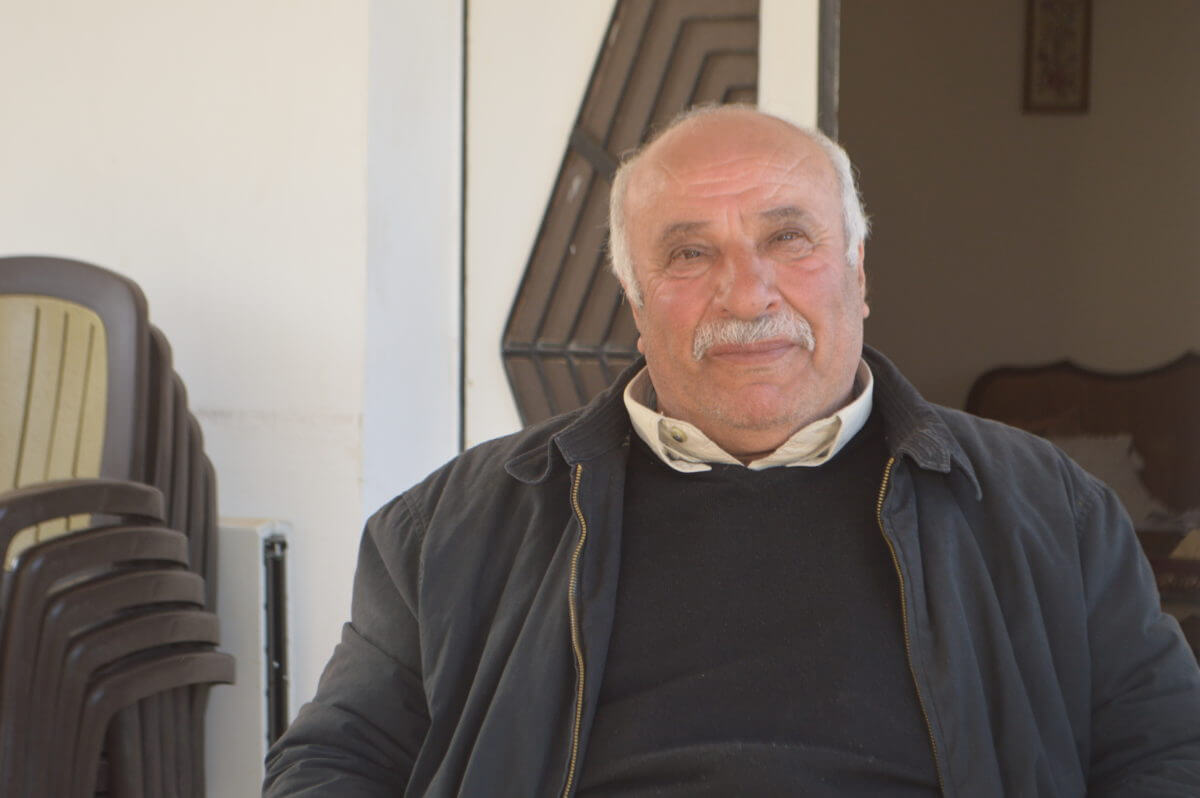
Fathy Shebana’s family has lived in Sinjil, a rural village between Ramallah and Nablus for as long as any of them can remember. Today, much of their land is gone, annexed by Israel for illegal settlements. Since Israel passed a new law retroactively legalizing at least a dozen settlement outposts built on private Palestinian land, Fathy and his community fear even more for the future of their land and livelihoods.

Donald Trump became the first US President in recent years to suggest a shift in US foreign policy concerning the two-state solution during a joint press conference with Israeli Prime Minister Benjamin Netanyahu on Wednesday. Saeb Erekat, head of the Palestinian Liberation Office’s Negotiations Affairs Department, said that the office would be willing to move away from the two-state solution, however he stressed that the only way Palestinians could accept sharing one state was if Israel was willing to give up the notion of a Jewish state. “Contrary to Netanyahu’s plan of one state and two systems — apartheid — the only alternative to two sovereign and democratic states on the 1967 border is one single secular and democratic state with equal rights for everyone, Christians, Muslims, and Jews, on all of historic Palestine,” he said.

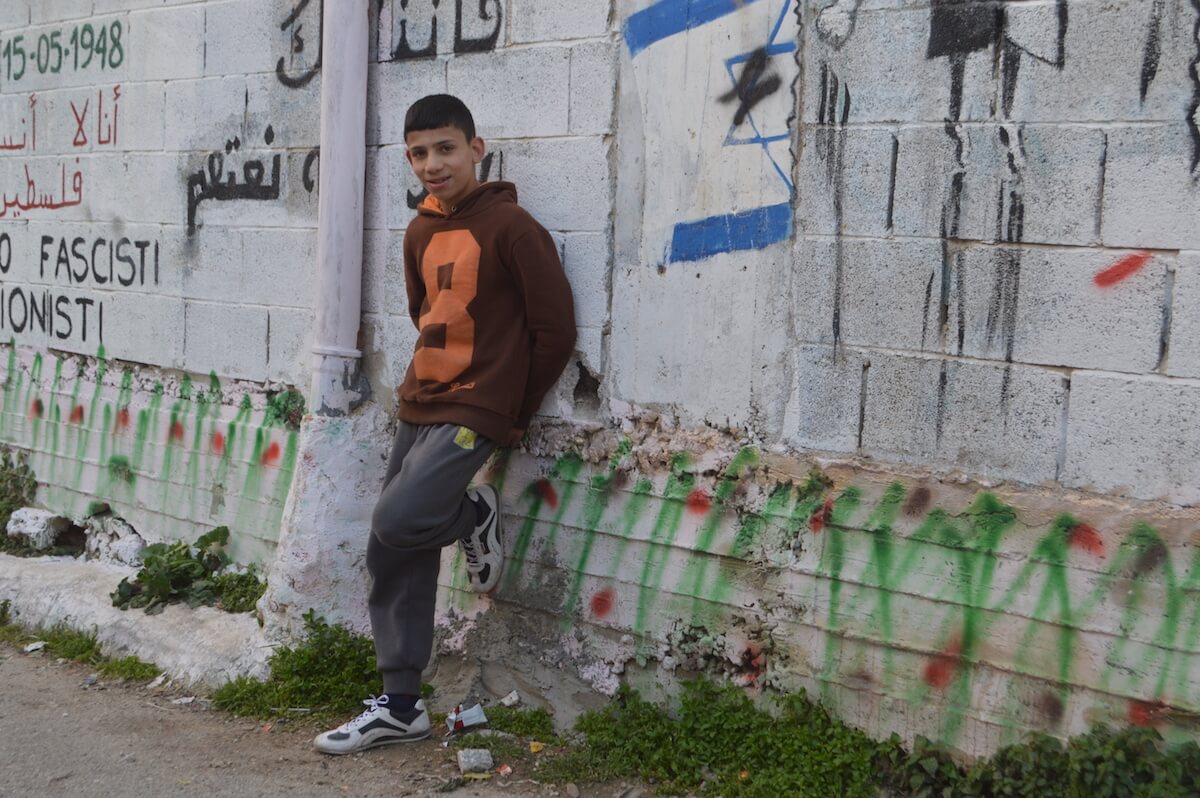
Israeli forces stormed Aida refugee camp on Wednesday, arresting Ali Jawarish, a 14-year-old disabled Palestinian boy, who as of today is still being held in Israeli detention. The arrest was caught on video by youth from the camp, and depicts Israeli forces tearing off the boy’s shirt, and violently throwing him into the back of a military jeep. Jawarish was supposed to have a court hearing on Friday, but Israeli authorities told his family that the hearing had been postponed to an unscheduled date. “It’s not right what happens here to children, there needs to be a way to stop these kinds of crimes committed by the occupation,” says Jawarish’s cousin, Rana Musafana. “They are only children — Ali is a child, he needs to have a childhood — all the children should be able to have a childhood.”