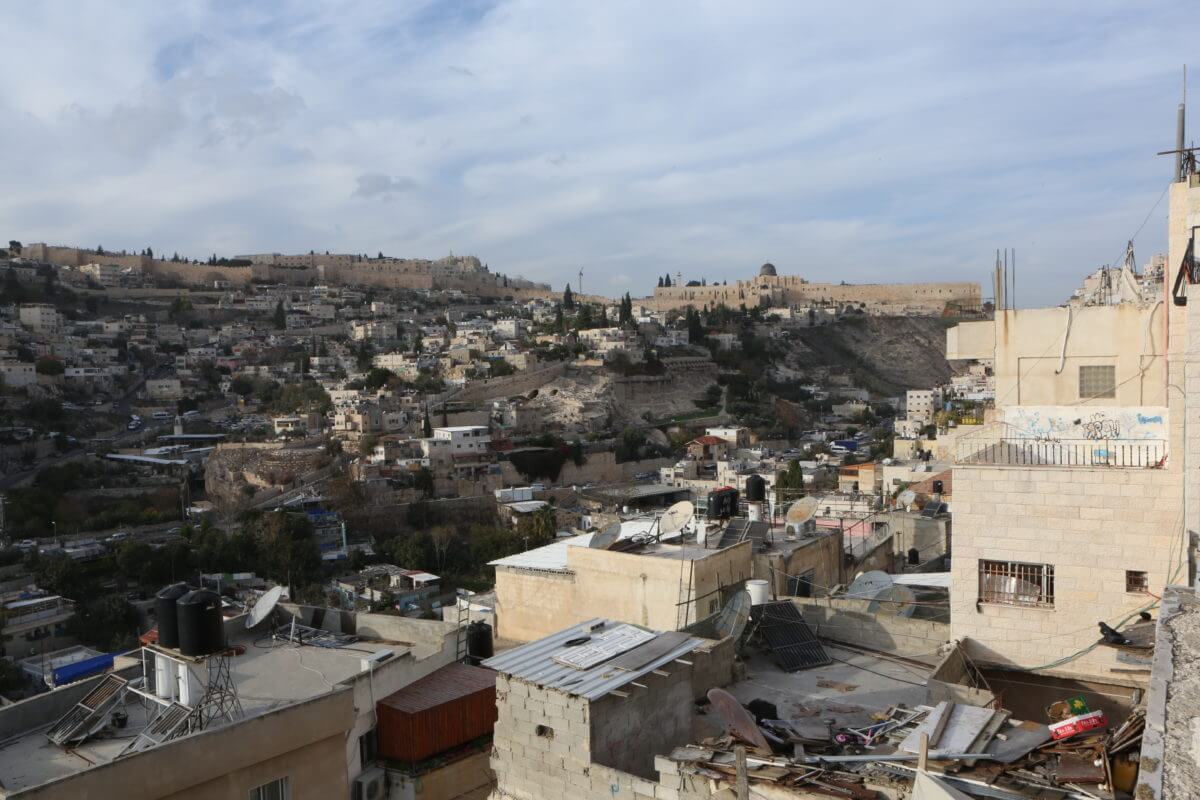
After years of fighting to save their homes, Palestinians in occupied East Jerusalem’s Silwan neighborhood were hit with a devastating loss last week: the Israeli High Court denied their petition against claims on their homes by an Israeli settler organization, paving the way for the eviction of 700 residents. Despite years of relentless attempts by Israel to kick them out of their homes, residents insist that they won’t give up. “The situation in East Jerusalem, specifically Silwan, is really tough,” Zuheir al-Rajabi told Mondoweiss. “But all we can do is remain steadfast against the attempts to erase us from this land. We will prove that we have a right to exist.”
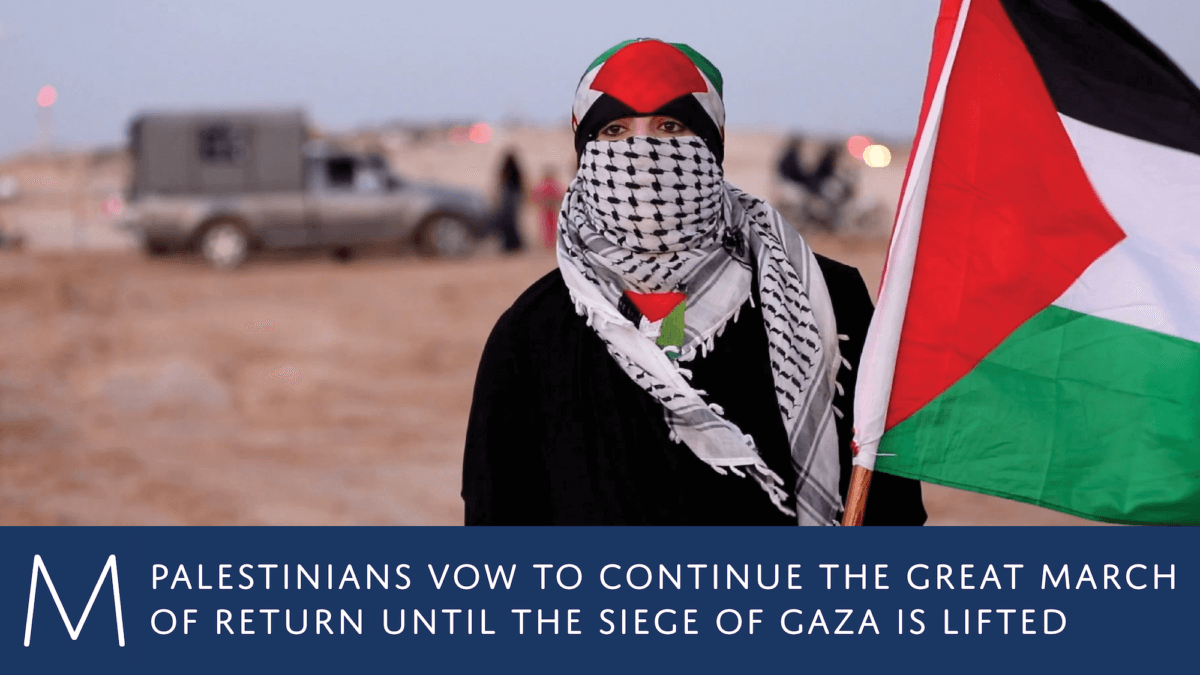
November 30th marked the 8 month anniversary of the Great March of Return. Every Friday since March 30th, thousands of Palestinians in Gaza have taken to the borders with Israel to demand the right of return of refugees to their ancestral homelands in present day Israel, and an end to the siege on Gaza. Despite reported efforts from political officials to bring the Great March of Return to a close, protesters maintain that they will continue demonstrating until the siege is lifted once and for all.
As the polls came to a close and the midterm results began rolling in this November, Palestinians at home and across the diaspora celebrated the election of one of their own, Democrat Rashida Tlaib of Michigan’s 13th Congressional District. Mondoweiss spoke to young Palestinian American women from across the country on what Rashida Tlaib’s win means to them, their hopes for her in congress, and the lasting impact of her election.
On Wednesday afternoon Israeli authorities from the Jerusalem Municipality, accompanied by police, entered into the Shufat refugee camp in occupied East Jerusalem and demolished Palestinian storefronts, 18 structures in all. The move is an effort by the Israeli government to lessen the authority of the UN refugee agency and strip Palestinian refugees of their status.
Airbnb will no longer host rentals for stays in Israeli settlements in the West Bank. The company said it will “evaluate whether the existence of listings is contributing to existing human suffering.” The announcement came one day before Human Rights Watch is schedule to release a lengthy report on vacation rentals in the occupied Palestinian territory.
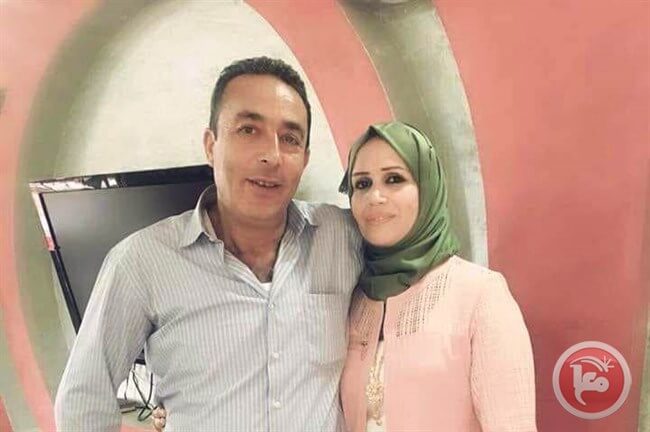
After Aisha al-Raibi, 48, was killed by rocks hurled through a car windshield evidently by Israeli settlers in the occupied West Bank on Oct. 12, her husband Yaqoub was summoned back to the scene to answer many questions about the crime. But Israeli authorities have arrested no one in the case, though the al-Raibi family says that cameras at Tapuah checkpoint surely captured information about the killer.
“The settlers came in the middle of the night, no one knew. By morning they had paved a road up to the mountain, set up their tents, and had soldiers protecting them,” Zafer Attayah, a resident of Kfar Ni’ma told Mondoweiss. Ever since the settlers showed up two months ago, the Palestinians from Risan’s three surrounding villages have been staging weekly Friday protests on the mountain in attempts to stop the confiscation. “We have to maintain our presence in the area,” Attayah said. “They think they can just come and take the land, but we will not make it easy for them.”
Saudi Arabia has barred some 1.5 million Palestinian citizens of Israel from entering the country on temporary Jordanian passports, and thus, from performing Hajj, the pilgrimage to Mecca. The decision is the latest in a series of measures taken by the Kingdom limiting Palestinian pilgrims’ access to Islam’s holiest site and comes against the backdrop of increasingly normalized relations between Israel, Saudi Arabia, and other Gulf states.
Israel’s parliament, the Knesset, will renew its debate next week over a bill that would seek the death penalty for Palestinians accused of “terrorism,” after Israeli Prime Minister Benjamin Netanyahu and Defense Minister Avigdor Lieberman announced their support to advance the bill earlier this week.
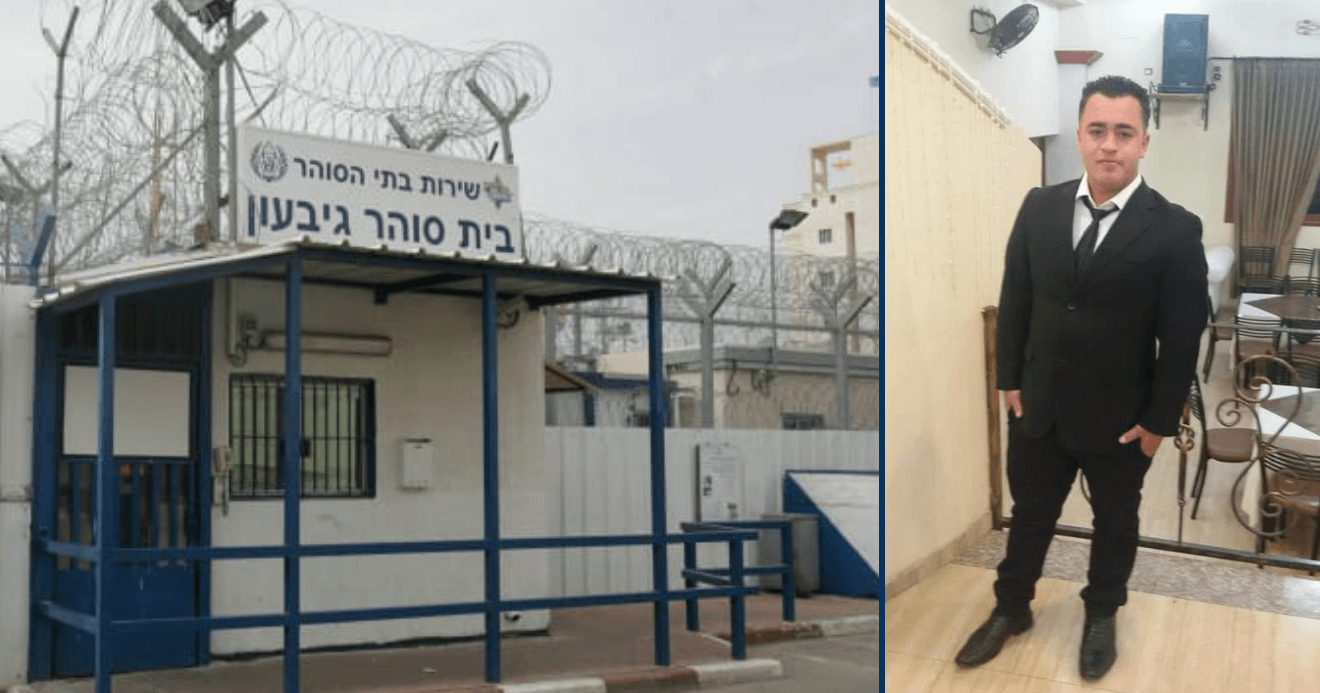
Maen Abu Hafez, 24, was born in Brazil to a Palestinian father from the Jenin Refugee Camp, and he has lived in the camp since he was 3 years old. However, Israel never issued his family an ID card establishing their residency in the West Bank and Abu Hafez is now facing deportation to Brazil after a routine traffic stop. Despite being Palestinians and living in an area under the control of the Palestinian Authority, the lives of the Abu Hafez family, and hundreds of families like them — a Palestinian married to a foreign spouse and their children — are in the hands of the Israeli government, who has control over the Palestinian population registry.