As the destruction of their homes grows more imminent, the villagers of Khan al-Ahmar have appealed to German Chancellor Angela Merkel, who will be visiting Israel this week, to stop the demolitions.
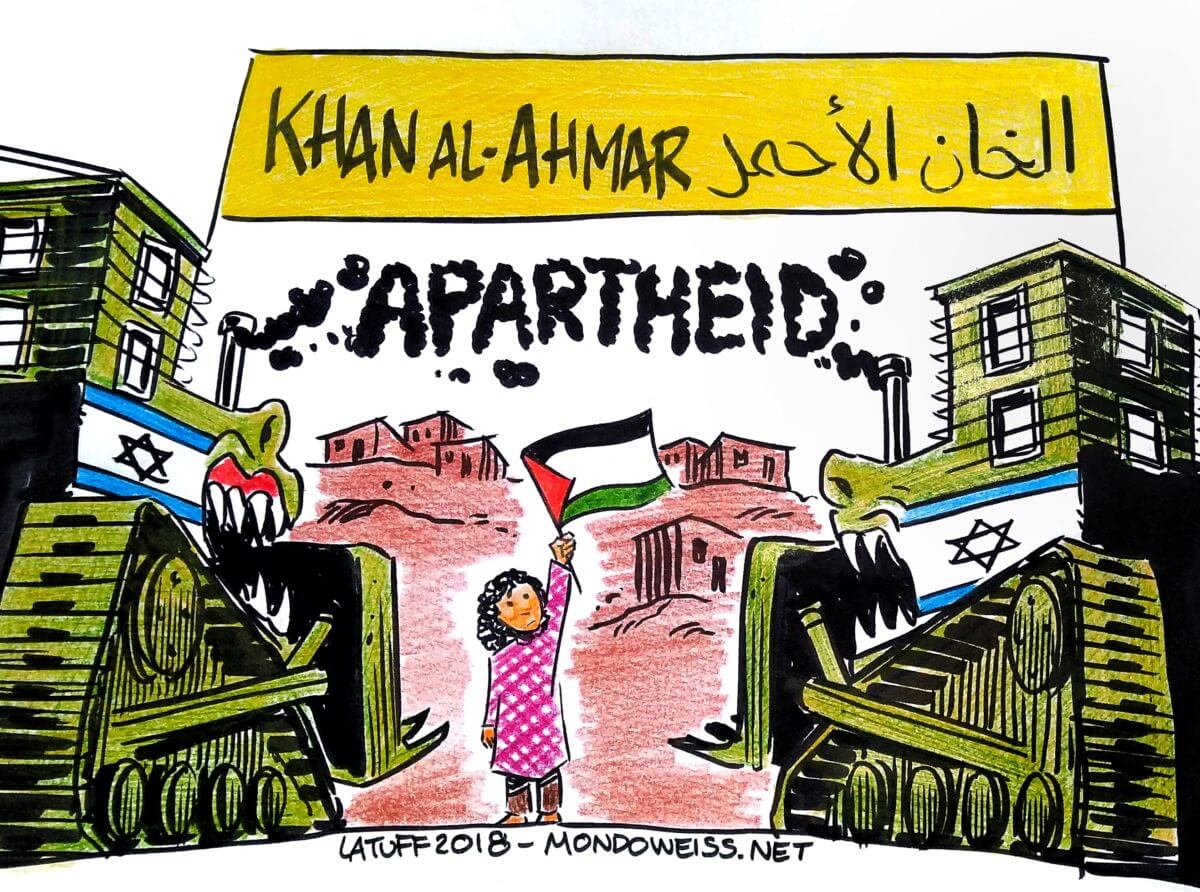

As the destruction of their homes grows more imminent, the villagers of Khan al-Ahmar have appealed to German Chancellor Angela Merkel, who will be visiting Israel this week, to stop the demolitions.
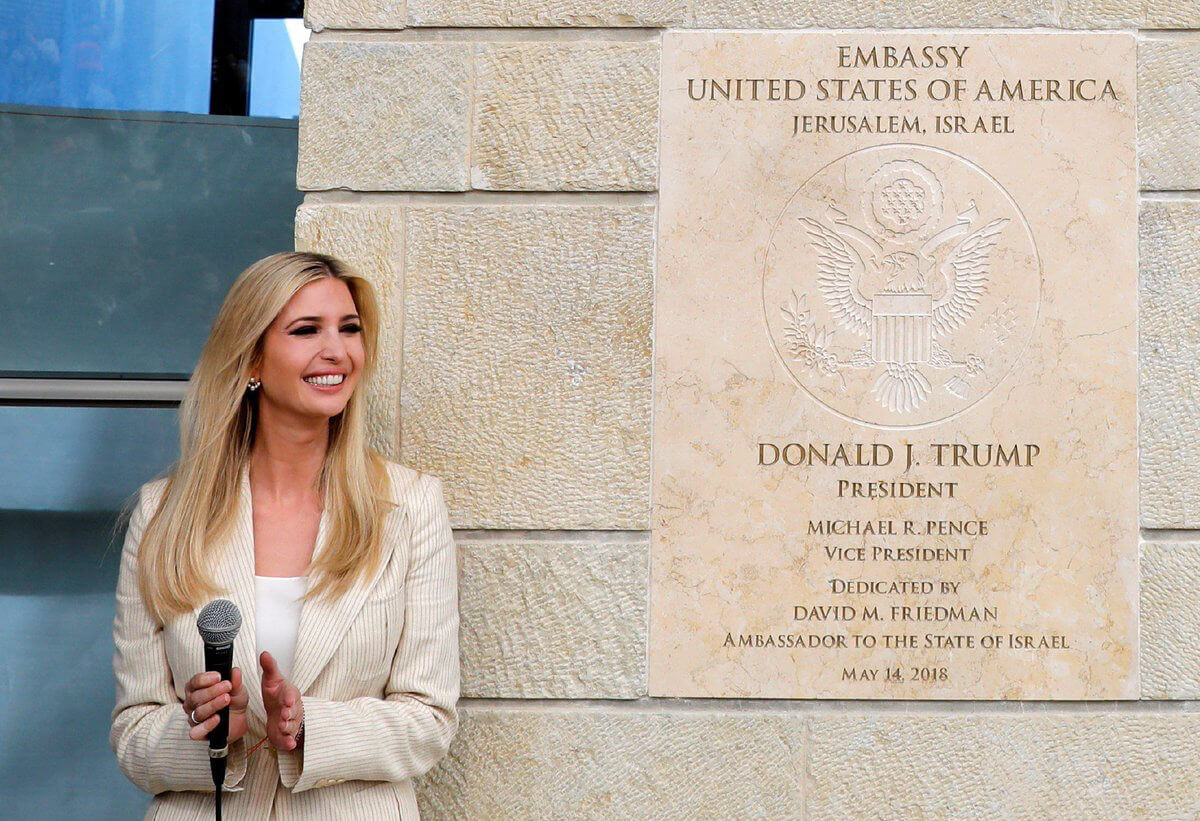
Palestinian leaders have filed a complaint with the top court of the United Nations (UN), the International Court of Justice (ICJ), over the US decision to move its embassy from Tel Aviv to Jerusalem earlier this year. “We defend our rights and our people without hesitation and reject all forms of political and financial extortion,” Palestinian Foreign Minister Riyad al-Malki said on Saturday.

Both Palestinian President Mahmoud Abbas and Israeli prime Minister Benjamin Netanyahu addressed the 73rd session of the UN General Assembly on Thursday in New York. While Netanyahu spent most of his speech boasting of Israel’s raid on an alleged secret Iranian nuclear facility, railing into the Obama-administration’s Iran deal, and criticizing Iran’s influence in Syria and Lebanon, Abbas presented a lackluster criticism of Israel, the Trump administration, and the international community.
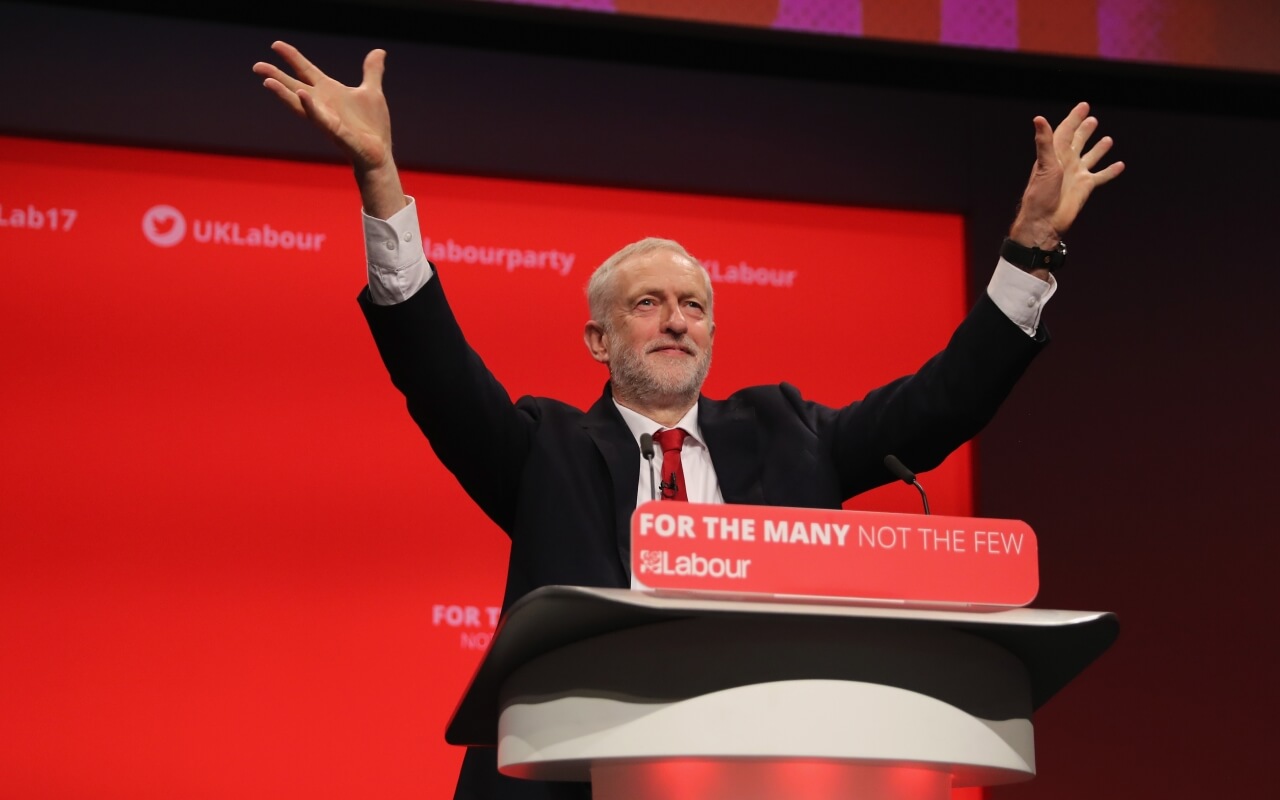
A Labour government in the UK would recognize an independent Palestinian state as soon as it took office, Jeremy Corbyn said on Wednesday, during the annual Labour conference in Liverpool. During his keynote speech, the Labour leader criticized Israel’s passing of the Nation-State law earlier this summer and the killing of over 170 of Palestinian protesters along the Gaza border since March. The day before Corbyn’s speech, delegates at the conference passed a motion to support the immediate suspension of UK arms sales to Israel pending an investigation of Israel’s killing of protesters in Gaza.
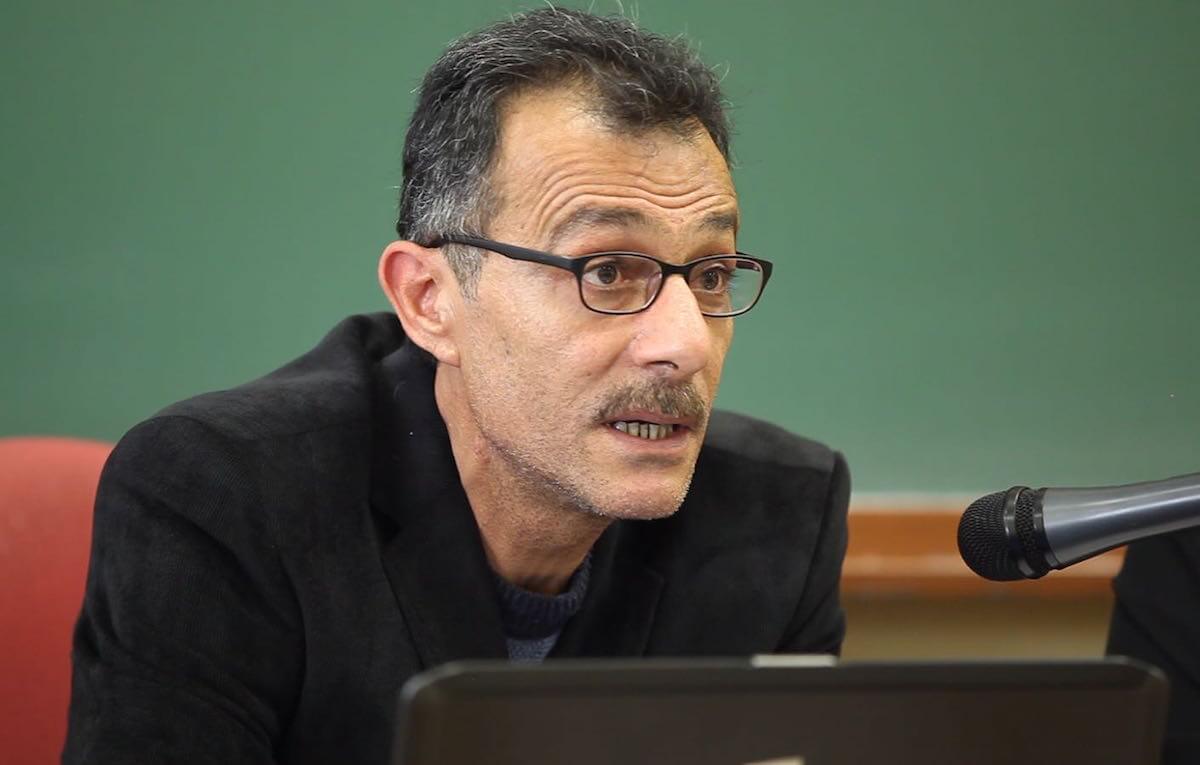
Nidal al-Azza, 50, is a Palestinian activist and leading advocate for Palestinian residency and refugee rights. Al-Azza sat down with Mondoweiss to discuss the current US foreign policy in Israel and Palestine, and the effects of Trump’s political decisions on the Palestinian people, Palestinian leadership, and the future of the Palestinian cause.
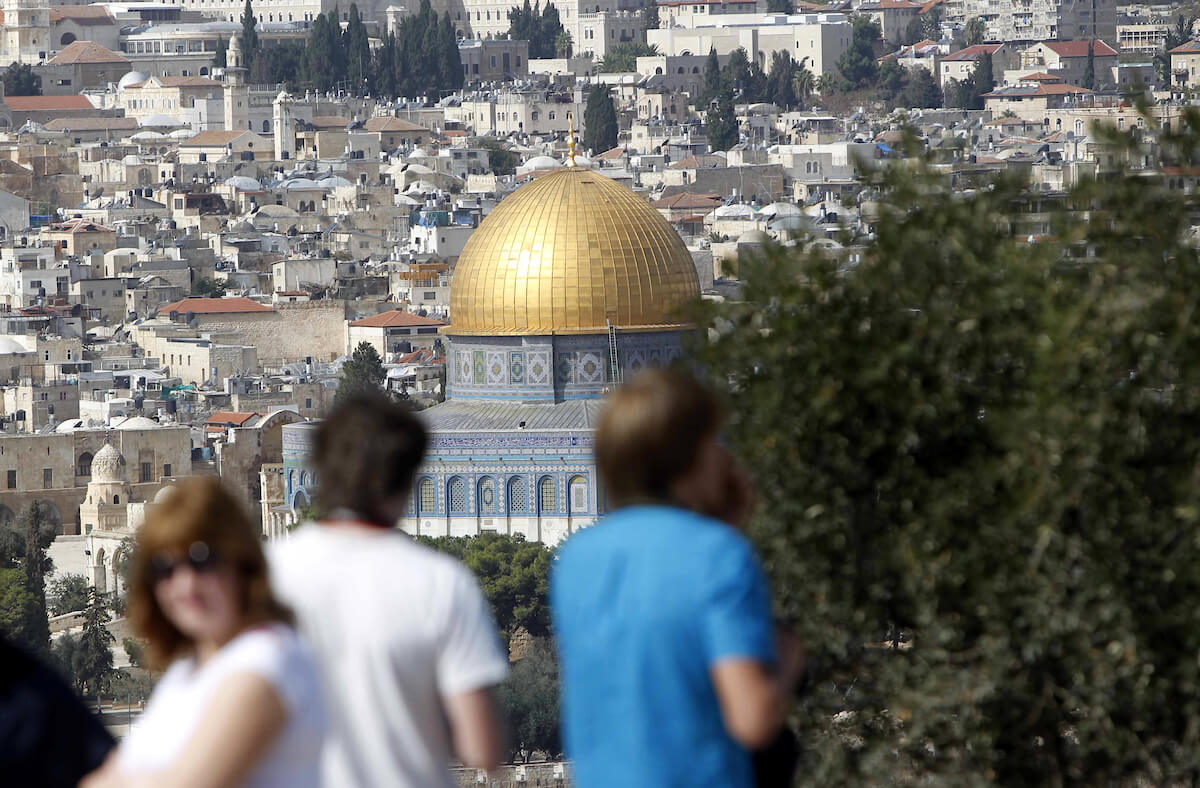
Breaking with decades of policy among Palestinian political factions and religious leaders in Jerusalem, Ramadan Dabash, 53, a Palestinian man from the Sur Baher village of occupied East Jerusalem, is putting his name on the ballot for the Jerusalem Municipality elections this October. His run in the elections have reignited a long-held debate in the community over Palestinian participation in the elections.
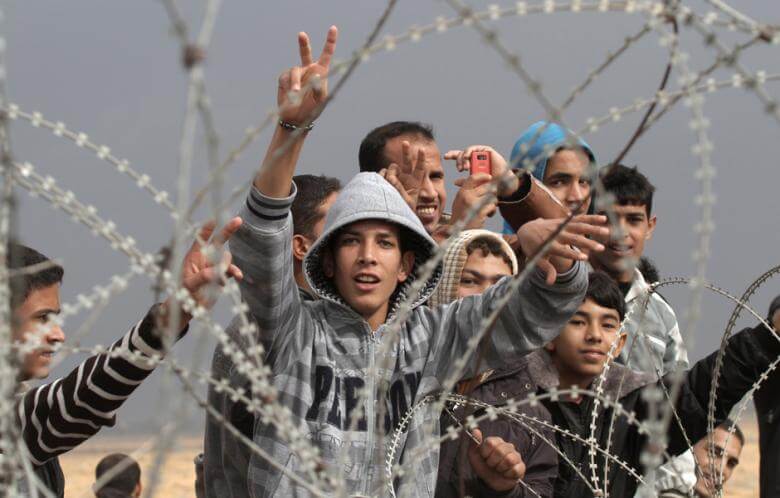
Young Palestinians from the “Oslo generation” say that the compromises of the peace process were unfair ones. Oslo “normalized the occupation in every way,” says Yasmin Abu Shakdim, 22. While Meras al-Azza, 25, says, “They gave up all of our land against the will of the Palestinian people.”

The European Parliament passed a resolution on Thursday saying Israel’s planned demolition of Khan al-Ahmar would amount to a war crime, and demanded Israel compensate the EU for the demolition of EU-funded structures in the village.
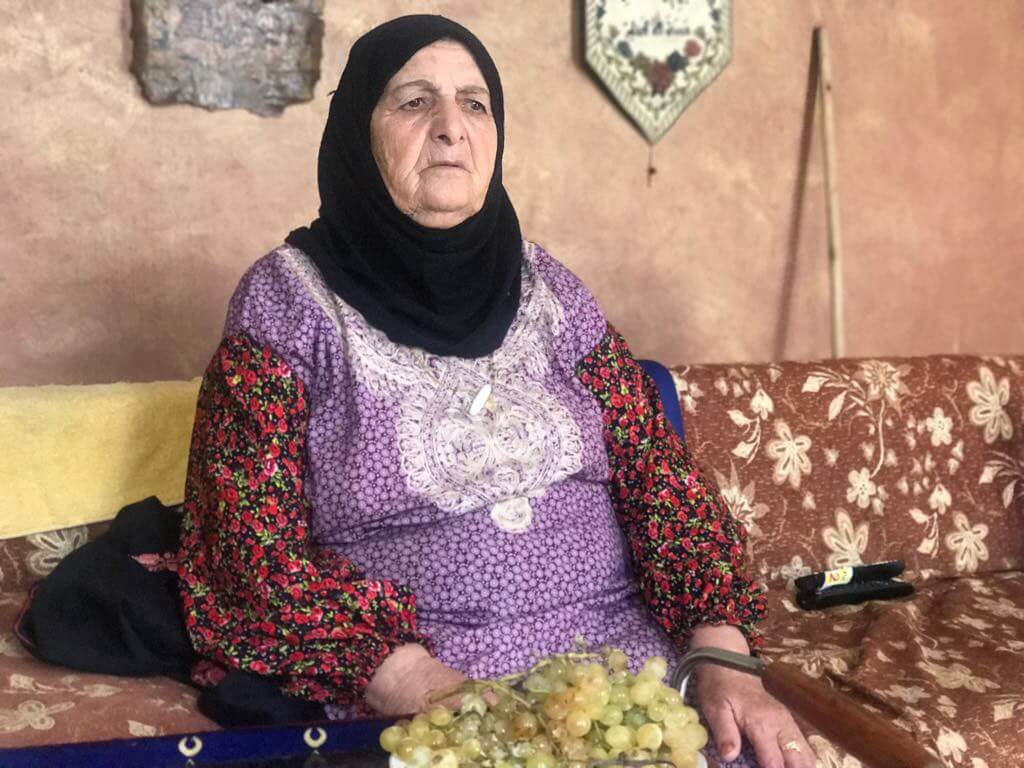
Every year, in late August, Palestinians begin celebrating the grape harvest, a quintessential part of Palestinian life and heritage. For farmers, a years worth of intensive labor has led up to this moment, when they cut the grapes off the vines and take their wares to markets and street carts. For most, the profits made off of a year’s harvest will support their entire family financially until the next year. This year’s harvest, for many farmers across the occupied West Bank, is bittersweet, marred by the violence of months past.
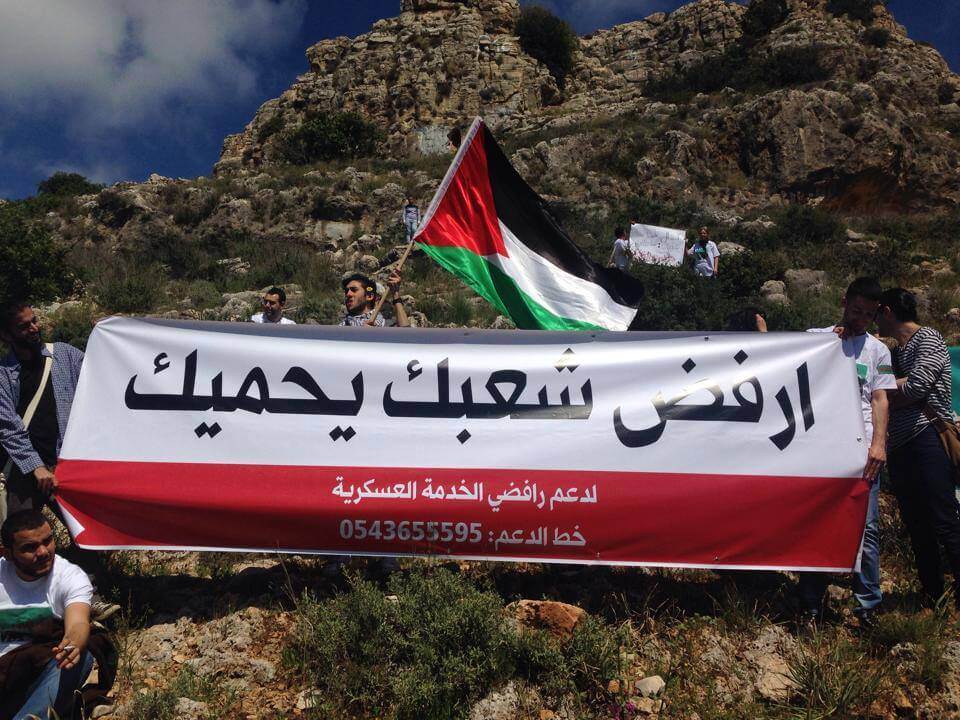
The Nation-State law, when Israel officially declared itself a Jewish state, was a wakeup call to many in the Druze community, but not to members of Urfod, a group of Druze activists who have refused military conscription. Urfod member Hadiya Kayoof tells Mondoweiss, “The law showed everyone [in the Druze community] that believed in the Israeli democracy, that there is no real democracy in Israel. Its either you are Jewish or non-Jewish, and if you are non-Jewish you won’t get your rights,” she said matter of factly, “it doesn’t matter if you serve in the army or not.”