Zohran Mamdani’s victory in New York City owed no small debt to Palestine activists, many of whom mobilized behind his campaign. But how will this relationship fare once he enters City Hall? There are some early tests that will let us know.
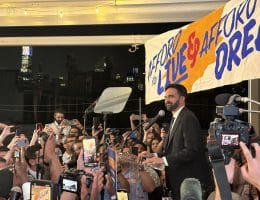

Zohran Mamdani’s victory in New York City owed no small debt to Palestine activists, many of whom mobilized behind his campaign. But how will this relationship fare once he enters City Hall? There are some early tests that will let us know.
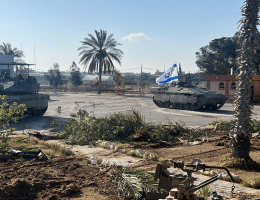
Gaza’s Rafah border crossing was supposed to reopen in October as part of the ceasefire agreement. But the border remains closed, keeping Gaza shut off from the outside world and preventing families from reuniting with loves ones.
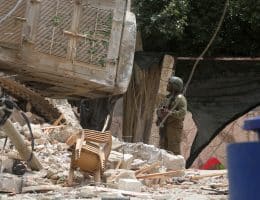
In recent weeks, the Israeli army has launched a renewed military campaign in the northern West Bank. Palestinians say these operations aim to establish a new “security reality” to facilitate the rebuilding of Israeli settlements dismantled in 2005.
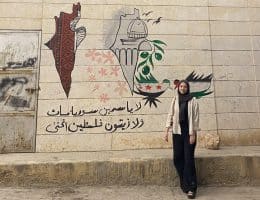
Dr. Nahla Al-Sarraj gained hundreds of thousands of social media followers by discussing the Gaza genocide. She was fired after a pressure campaign from Israel lobby groups that she believes aimed to silence her. Despite this, she remains unbowed.
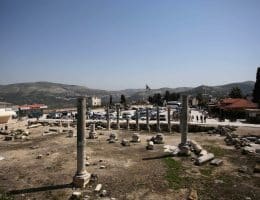
The ancient Palestinian town of Sebastia in the northern West Bank is a testament to 5,000 years of Palestinian history. Israel announced that it plans to seize the village and its archaeological sites.
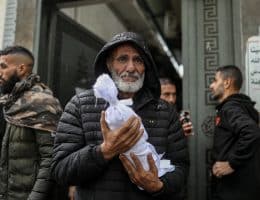
Severe weather conditions in Gaza have claimed the lives of 13 people, including babies who froze to death, as Israel continues to block the entry of aid that could provide shelter to 1.5 million Palestinians living in worn-out tents.
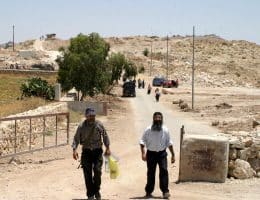
Israeli settler groups have begun bulldozing Palestinian lands in the town of Beit Sahour to make way for a new settler outpost. The settlement threatens the existence of the largest remaining Christian community in the West Bank, residents say.

Israeli military chief Eyal Zamir says Israel views the “Yellow Line” dividing Gaza as its new border. Palestinians in Gaza report widespread demolitions east of the line, reshaping Gaza’s landscape through force in what they call a “second Nakba.”

This year, Israel will account for over a quarter of all free travel gifted to Congress members, and AIPAC is overwhelmingly setting the agenda.
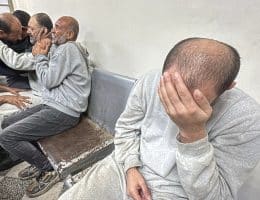
After the U.S. imposed sanctions, YouTube took down over 700 videos from prominent Palestinian human rights groups. Rights advocates say this censorship goes beyond Palestine and affects the future of international justice and accountability.