Yonatan Shay, an official of the American Jewish Committee, seeks to paint Syrian refugees in Berlin as anti-Semitic, and as putting Jews in Europe in danger, with the obvious agenda of riding the nationalist xenophobic wave.
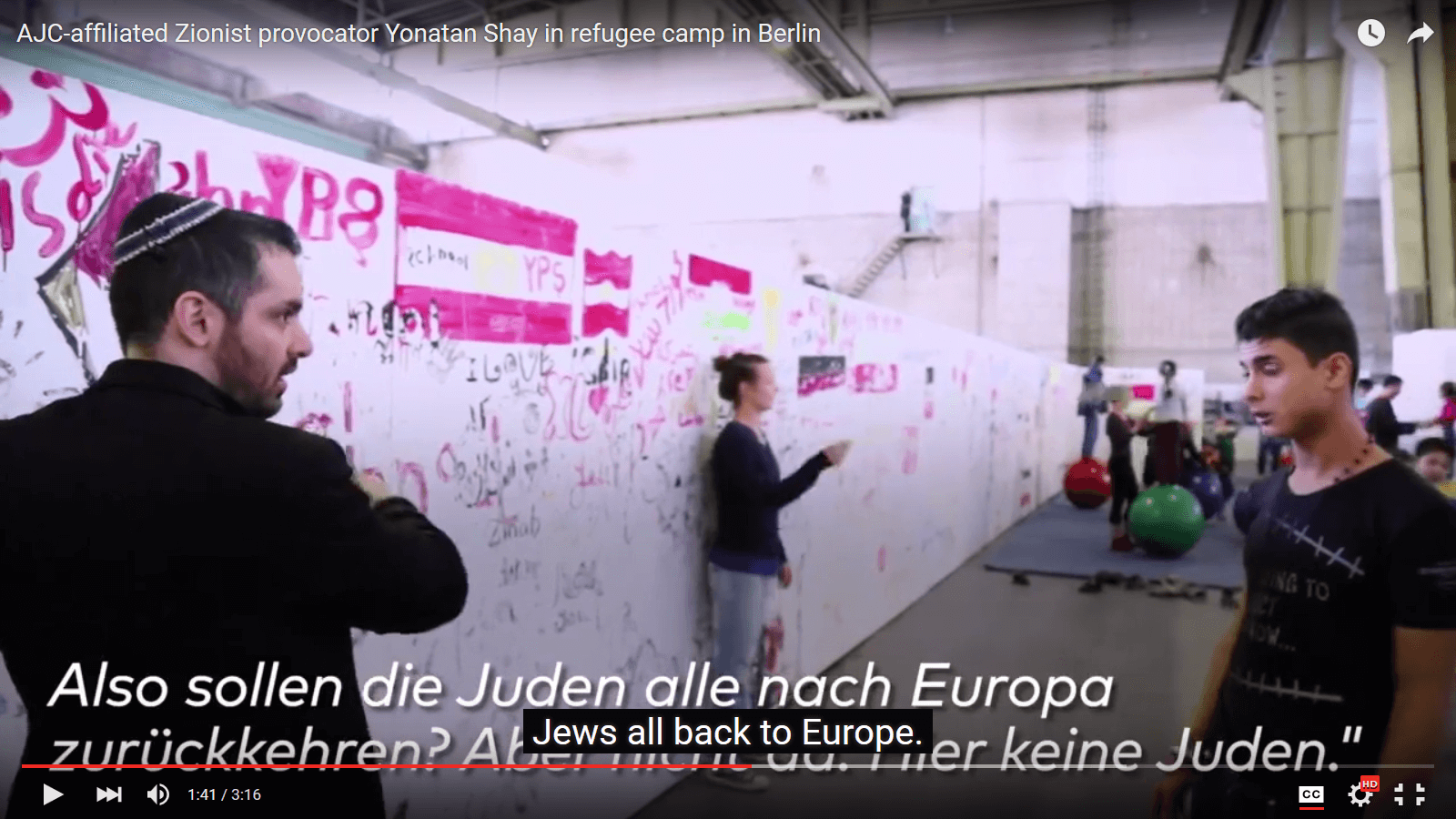

Yonatan Shay, an official of the American Jewish Committee, seeks to paint Syrian refugees in Berlin as anti-Semitic, and as putting Jews in Europe in danger, with the obvious agenda of riding the nationalist xenophobic wave.
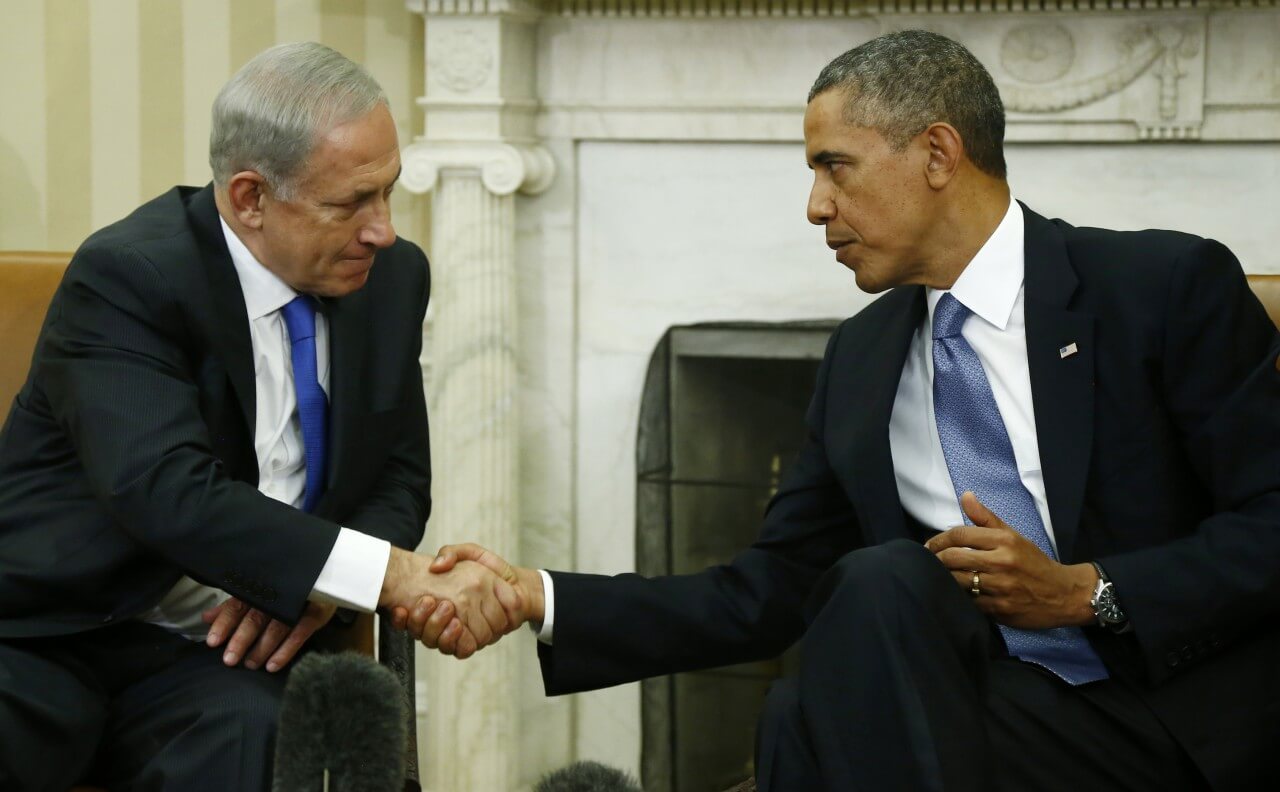
Another US foreign policy blunder, this one in Haiti. Does Obama stumble partly because he spends too much time on Israel?

Katie Miranda offers an ad for Airbnb’s rentals in the occupied territories. There is rarely this much truth in advertising.

The New York Times Jerusalem bureau chiefs Ethan Bronner and Jodi Rudoren failed to convey a true grim picture of one-state Israel/Palestine out of Zionist attachment. Similar adherences have kept the US mainstream press from telling a truth that John Kerry and US ambassador Daniel Shapiro have conveyed in recent weeks.

“We live like dogs,” says a Kurdish resident of Grande-Synthe, a burgeoning refugee camp located in an industrial suburb of Dunkerque, France. As the refugee crisis continues to swell across Europe, Grande-Synthe stands as an example of the most perilous living conditions in modern Western society.

While in Hawaii, Hatim Kanaaneh uses the local homelessness crisis to explain Middle East politics.
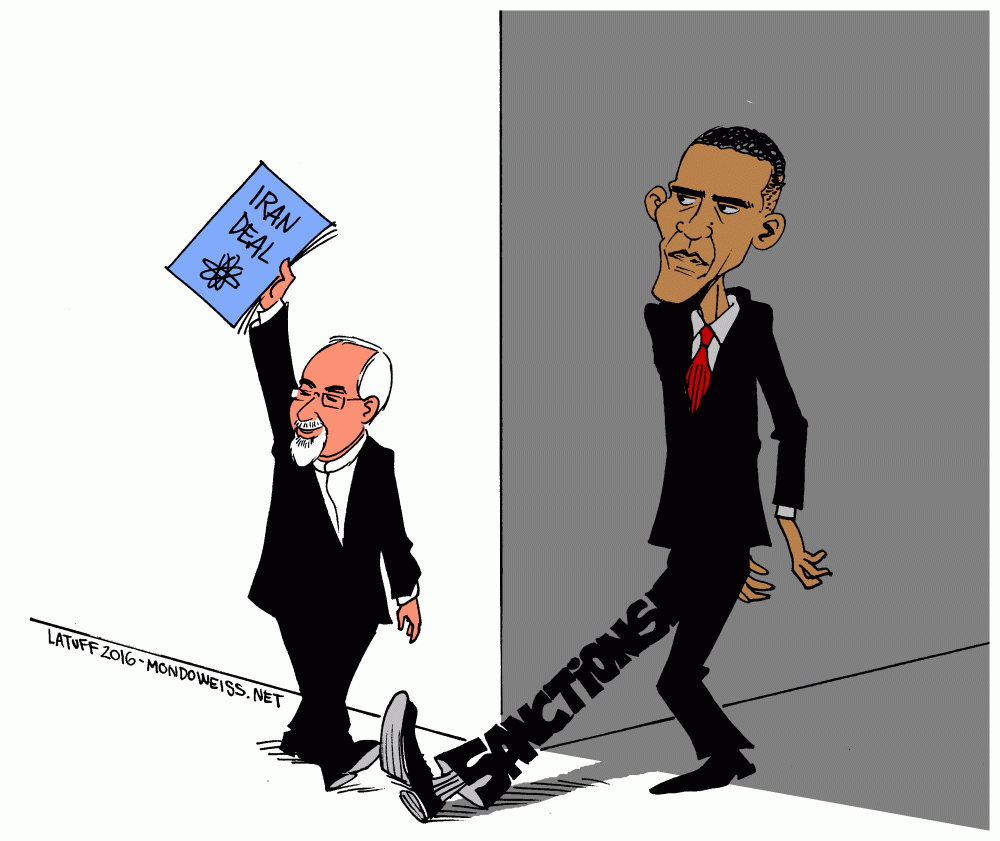
Over the weekend, in a victory for diplomacy, the U.S. lifted sanctions on Iran in place since 2006 as the two countries also completed a prisoner exchange. But no sooner than the plane carrying released prisoners had left the tarmac in Iran, the U.S. Department of Treasury slapped new sanctions on Iran over its ballistic missile testing last fall, breaking the spirit of the agreement with Iran.
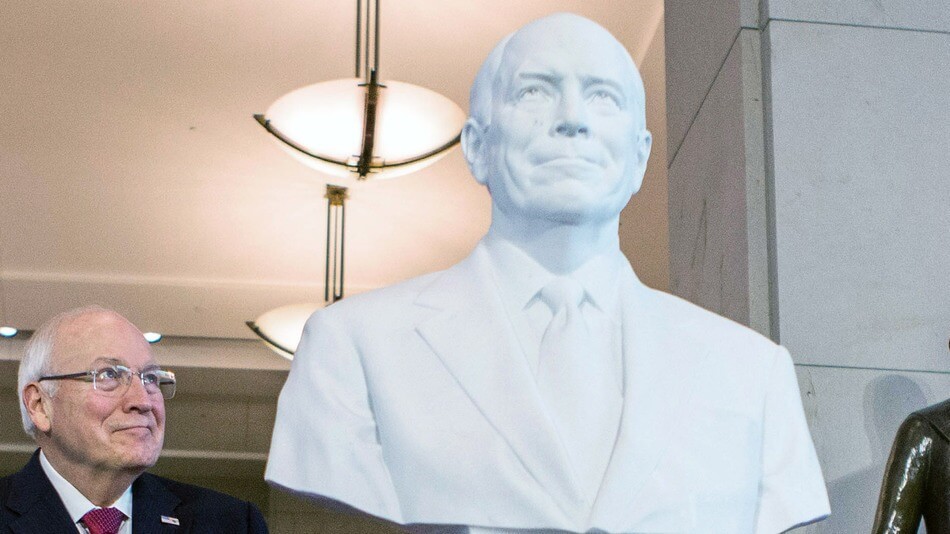
On December 3rd 2015 a statue was unveiled in honor of Richard “Dick” Cheney at the United States Capitol. Coincidentally, the previous day witnessed the British parliament, specifically the House of Commons, inadvertently honor Cheney in the debate on whether to extend the military intervention aimed at ISIS in Iraq into ISIS’s supposed heartland in Syria.
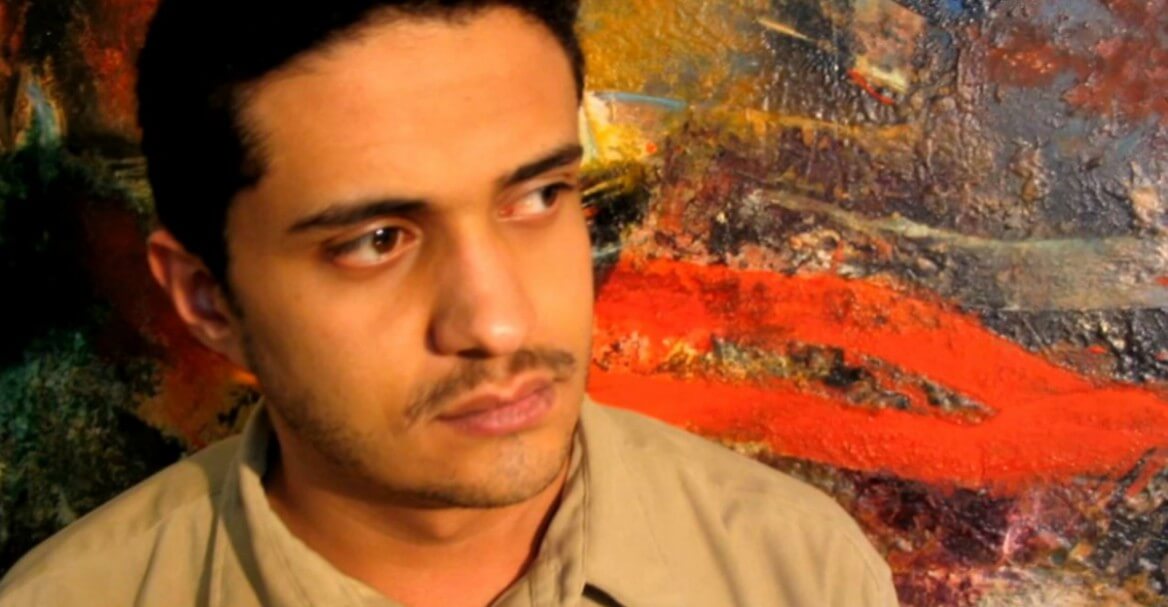
The Palestinian artist, curator, and poet Ashraf Fayadh, 35, has been sentenced to death by beheading. Saudi Arabian authorities have declared his crime as “apostasy,” or abandoning one’s religion—in this case, renouncing Islam. Several other charges were also leveled against Fayadh, including allegedly photographing women and storing their pictures on his phone, a violation of the country’s Anti-Cyber Crime Law. He pleaded his innocence to all the charges. Amnesty International UK states that, “Throughout this whole process, Ashraf was denied access to a lawyer—a clear violation of international human rights law, as well as Saudi Arabia’s national laws.”

Evan W. Sandlin responds to Ben Norton’s post “Why are American pro-Palestinian voices silent about the brutal war in Yemen” and says, “The reasons for relegating the plight of Yemenis to virtual obliviousness is more nuanced and more troubling than Norton makes it out to be.”