The U.S. set a deadline for the Lebanese government to disarm Hezbollah by the end of December. But as the deadline nears, it is unclear what Lebanon will do, given the challenges of disarming the group and popular support for resistance to Israel.


The U.S. set a deadline for the Lebanese government to disarm Hezbollah by the end of December. But as the deadline nears, it is unclear what Lebanon will do, given the challenges of disarming the group and popular support for resistance to Israel.

Israel’s assassination of Hezbollah’s top military commander threatens the collapse of the ceasefire with Lebanon and the return to war.

Inside one Palestinian family’s harrowing experience of having their son’s dead body withheld by Israel as a bargaining chip. Israel has held the bodies of 726 Palestinians in refrigerators and the so-called “cemetery of numbers” for decades.
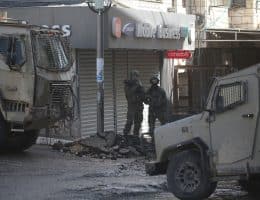
Following the Tulkarem Brigade’s first armed operation against Israeli forces in eight months, the Israeli army arrested over 1,000 Palestinians at random and marched them through the streets of Tulkarem, in an act of “collective vengeance.”

Israel has been exposed as a dependent colony that relies on the West for its military adventures. And even still, it has failed to turn this advantage over Iran into strategic success. The Israel doctrine appears to be meeting its limits.

The IMF and World Bank are conditioning reconstruction funds on Lebanon’s normalization with Israel and disarming Hezbollah. In the Dahiya suburb of Beirut, the people who’ve lost their homes in the war think this is unacceptable.

I met resistance fighters from the Tulkarem Brigade for an interview in the alleyways of Tulkarem refugee camp in the occupied West Bank. They talked about why they fight against Israel, and what their dreams are for the future.
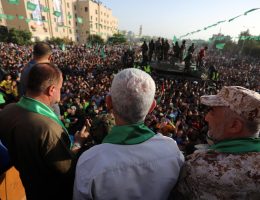
Yahya Sinwar’s last stand laid bare Israel’s weakness, exposing the truth about its post-heroic army that only survives from a distance and remains shielded by armor, unwilling to face its enemies head-on.
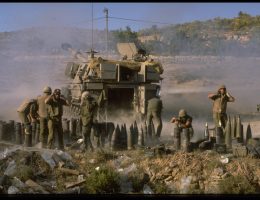
In Gaza and Lebanon, Israel is projecting its force while burrowing itself deeper into a quagmire. While it may achieve brief operational successes, it fails to extinguish the spirit of the resistance or coerce it into submission.

The UN has said that Israel is now using “war-like tactics” against Palestinians in the northern West Bank. Meanwhile, Netanyahu has reiterated his insistence on maintaining an Israeli military presence along the Philadelphi Corridor.