The Israeli war cabinet pressures Netanyahu to discuss “the day after” in Gaza as Hamas broadcasts videos of targeting Israeli tanks, and the PFLP says a captive soldier died during an Israeli airstrike. Meanwhile, UNRWA warns of widespread hunger.


The Israeli war cabinet pressures Netanyahu to discuss “the day after” in Gaza as Hamas broadcasts videos of targeting Israeli tanks, and the PFLP says a captive soldier died during an Israeli airstrike. Meanwhile, UNRWA warns of widespread hunger.
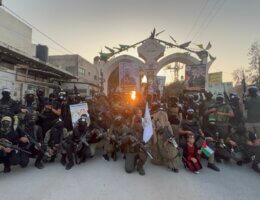
The Israeli army has launched a fierce assault on havens of armed resistance in the West Bank ever since October 7. Its recent campaign against Jenin refugee camp mirrors the Israeli strategy in Gaza — a war against the resistance and the people.
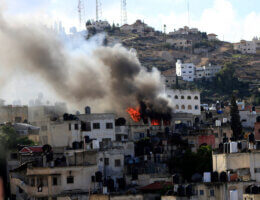
Israeli troops arrest dozens of Palestinian medical staff at Kamal Adwan Hospital in Beit Lahia. UNGA adopts ceasefire resolution. Israeli forces storm Jenin, killing 7. Netanyahu rejects prospect of PA rule in Gaza after war. Yemen fires on tanker.

In the wake of the prisoner exchange and the temporary ceasefire, rumors, conspiracy theories, and children’s games uncover the truth of the current moment in the West Bank.
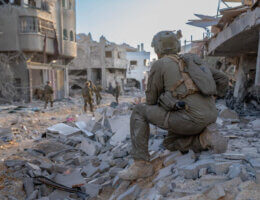
Israel’s massacres against civilians in its past military engagements have never pushed the U.S. to pressure Israel into a ceasefire. Only when Israel has suffered a military defeat has the U.S. called for a cessation of hostilities.
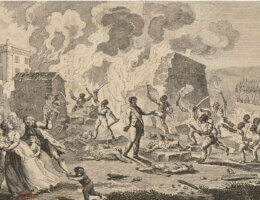
When Western intellectuals express dismay at the “vengeful pathologies” of Palestinian violence on October 7, they ignore its underlying military, tactical, and political precipitants.
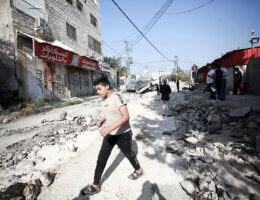
While the world’s eyes have been on Gaza, the Jenin Brigade is facing a new Israeli onslaught that aims to exhaust the resistance group through a war of attrition. Fighters in the Jenin refugee camp say they will not be defeated.
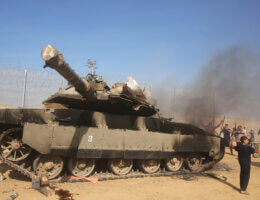
I want to believe that mass protests, strikes, and boycotts will be more effective than violence at liberating the colonized. Yet how many liberation movements have felt forced to choose violence as the only path to freedom? Would that it were otherwise.
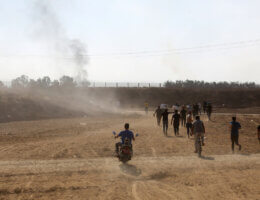
It’s easy to show solidarity with powerless victims who endure their suffering with stoicism. But Palestinians chose to break free of their cage, even if it shattered the image of perfect victimhood.

At a time when the rest of Palestine languishes in a post-political, post-Palestinian nightmare, Gaza shows us that Palestine is now alive everywhere.