Since October 7 Israel’s crackdown on the West Bank town of Tulkarem has intensified. Raids are almost daily, have been more destructive and lethal, and have transformed the lives of more than 8,000 Palestinians living in the city’s refugee camps.


Since October 7 Israel’s crackdown on the West Bank town of Tulkarem has intensified. Raids are almost daily, have been more destructive and lethal, and have transformed the lives of more than 8,000 Palestinians living in the city’s refugee camps.
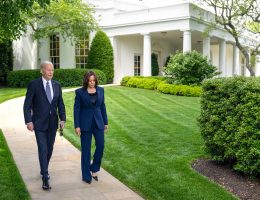
The Biden administration wants a ceasefire deal but is not prepared to put pressure on Israel to make it happen. Netanyahu knows this and is pushing forward with the genocide of the Palestinians, and regional war with the Axis of Resistance.
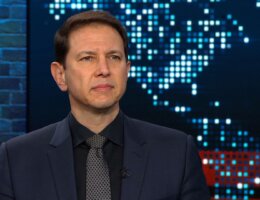
Israel’s provocative assassinations of Hamas leader Ismail Haniyeh and Hezbollah commander Fouad Shukr have raised the risk of a wider war in the Mideast, but the U.S. media would rather celebrate Israeli espionage than hold it to account.
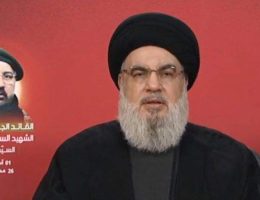
In a strident speech on August 1, Hezbollah leader Hasan Nasrallah said that the fighting with Israel has “entered a new phase” that goes “beyond supporting Gaza,” vowing an “inevitable” response to Israel’s Beirut bombing.

Yumna Patel talks to Qassam Muaddi and Abdeljawad Omar about the implications and impact of the Israeli assassinations of Hamas leader Ismail Haniyeh and Hezbollah senior commander Fouad Shukr.
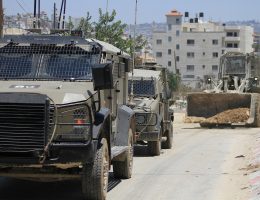
Israeli forces carried out a drone strike on a crowded refugee camp, killing five people including a paramedic and her daughter. Eyewitnesses said Israeli forces desecrated the bodies with a bulldozer before taking four bodies into custody.
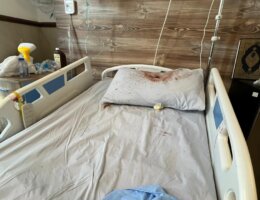
Israeli forces disguised as hospital workers and civilians entered Jenin’s Ibn Sina Hospital and assassinated three Palestinians as they slept. The brazen killing marks an unprecedented escalation in Israel’s war on Palestinians in the West Bank.
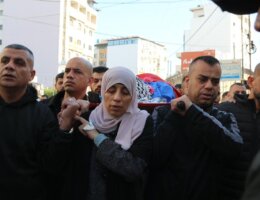
Israeli forces raided Tulkarem in the occupied West Bank, where they killed three young Palestinian men, shooting at their incapacitated bodies before running over them.

The Flag March continued the Zionist war on Jerusalem, while the assault on Palestinian resistance renewed itself following a deadly Israeli raid on Balata refugee camp, leaving 3 Palestinians dead.
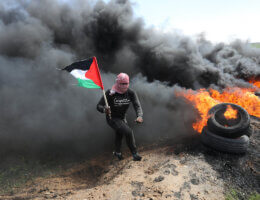
In a week that saw five more Palestinians killed including another deadly raid on Jenin, Palestinian, Jordanian, Egyptian, American, and Israeli representatives met in Sharm El-Sheikh to formalize the war on Palestinians.