Tag

book review

Browsing
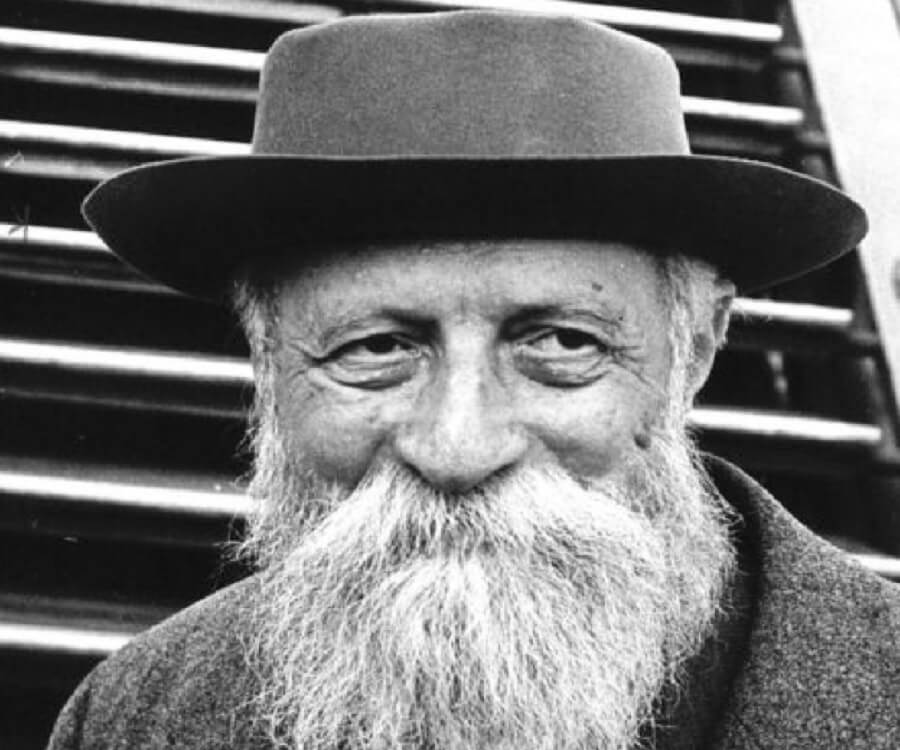
Martin Buber

Marc Ellis reviews Paul Mendes-Flohr’s new biography, Martin Buber: A life of Faith and Dissent: “My biggest complaint, a serious one, is that Buber’s understanding of the prophetic is mentioned but is hardly given the due needed. Buber’s analysis of the prophetic and its consistent failure, exemplified in his life both in Germany, Palestine and Israel, will, in my view, be, perhaps already is, Buber’s greatest contribution to the Jewish present and future.”

Ben White’s consistently engrossing new book, “Cracks in the Wall: Beyond Apartheid in Palestine/Israel,” argues that “The end of Israel as a bipartisan issue of concern in US politics, along with the wider left’s alienation from and the far right’s embrace of Israel” will undermine Israel’s ability to maintain the status quo. But is he right? Joel Doerfler wonders if Israel can get along without its traditional allies.

Ronen Bergman and his new book, "Rise and Kill First".

Ronen Bergman’s pageturner on the history of Israeli assassinations, Rise and Kill First, revels in the jokes the killers make about their targets. “That man died of natural causes by swallowing a pillow.” “No dog, no rabies.” “Someone who deserves his ticket on the train to elimination.” The language is morally degrading and serves to justify killing Arabs, who are voiceless in the book.

Reviewing Mya Guarnieri Jaradat’s book “The Unchosen: the lives of Israel’s others,” Max Ajl writes, “In her reporting, Jaradat has shown clinically how the social structure produces racism with such mechanical regularity. She shows a picture of Israeli society which not merely exposes its brutal racism and colonialism, but also how racism and power function within the dominant Jewish sector. It so doing she undermines an important myth of the Ashkenazi elite, which is that the racism which courses through Israel is somehow not the fruit of colonialism, but is primarily the fault of Russians, Mizrahi, or others–tainting what had been untainted. This is important work, and where The Unchosen makes its most important contribution.”

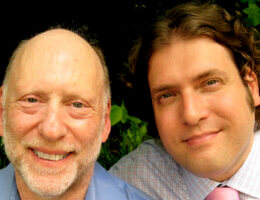
Todd Gitlin (left) and Liel Leibovitz (Photo: Simon & Schuster)

Todd Gitlin and Liel Leibovitz argue that a renunciation of Jewish, or American, “chosenness” is not only implausible but also undesirable.